

Long Story Short ★ BEN MAURO
How SACRIFICE and PERSISTANCE OF VISION delivers the Unimaginable

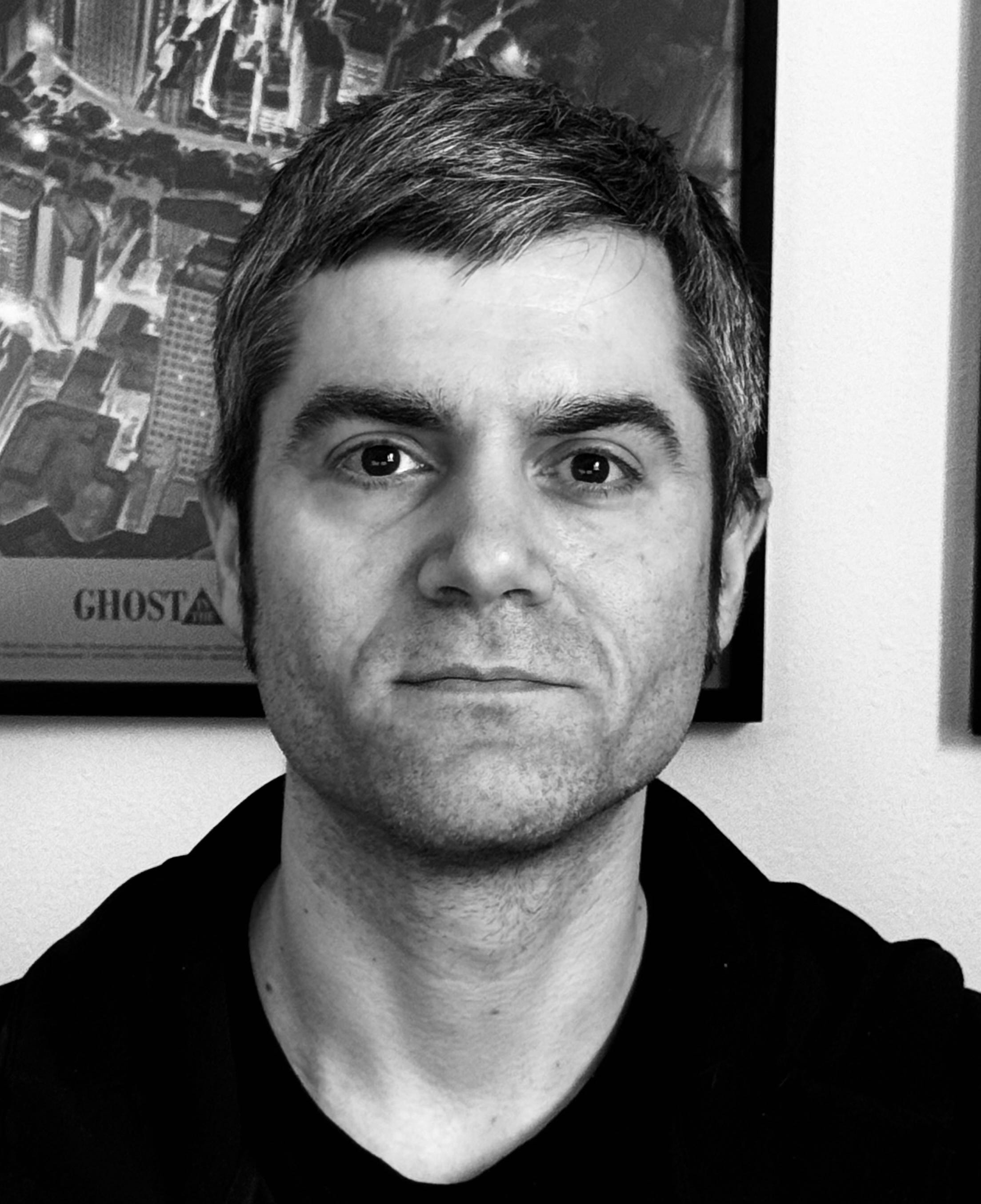
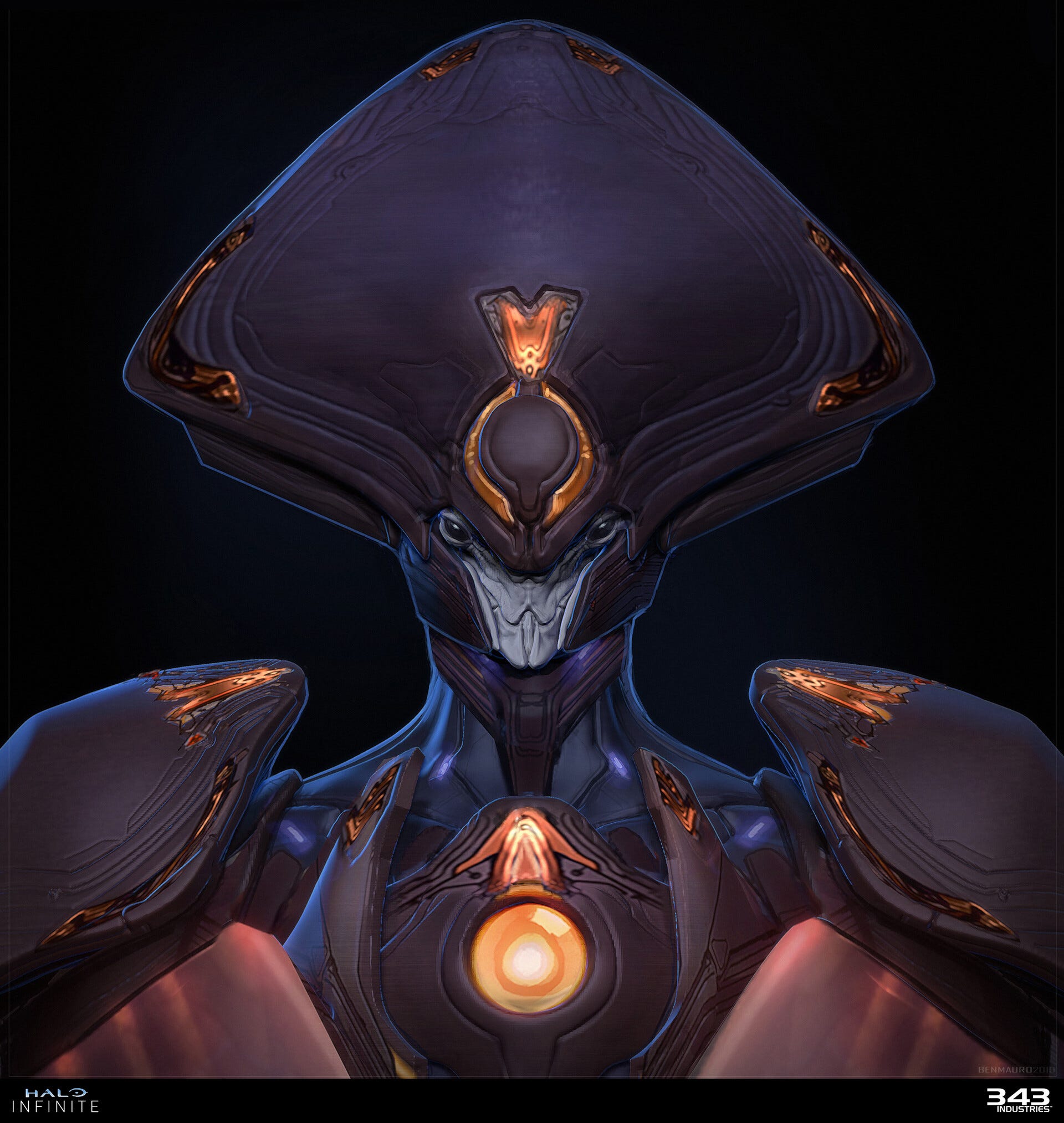
What does determination look like? How does belief play a part in pursuing your vision? Today I’m happy to share an interview I did with Pacific Northwest Concept Artist BEN MAURO. Some of his credits include HALO, ELYSIUM, THE HOBBIT, VALERIAN and even his own comic project, HUXLEY. He’s a hungry, passionate, artist who’s bringing his own ideas to life…by any means necessary.
BTP: Having grown up in Michigan during the 1990s were there any other people around you that were artists or creatives? How do you think the area in which you grew up influenced your work?
MAURO: Growing up in Michigan in the 90s and early 2000s, I didn’t have many people around me who were working artists or creatives in the professional sense. Most of the inspiration came from things I discovered on my own in comics, music, movies, video games, toys and art books I could get my hands on at the local bookstores, library or GameStop at the mall. It felt pretty isolated in that way, but I think that made me hungrier. I had to build my own visual language from scratch, and I obsessed over anything that transported me somewhere else.
Games were a big escape and inspiration for me, especially Halo, MGS, Resident Evil, GTA3, Ocarina of Time and just all the amazing games that came out during the early Xbox, PlayStation and N64 days. That has always been a big constant in my life seeing that artform go from Pong on the old Atari to NES and being there every step of the way seeing the medium advance and evolve since I was a little kid.
The Midwest has this sort of practical, no-nonsense work ethic to it. That rubbed off on me and from my parents, the idea that no one’s going to hand you anything…. you have to grind to make something real. At the same time, there’s a kind of quiet bleakness to the environment, especially in winter’s grey skies, rusted structures around Detroit, that feeling of post-industrial decay. I think that atmosphere really seeped into my creative DNA.
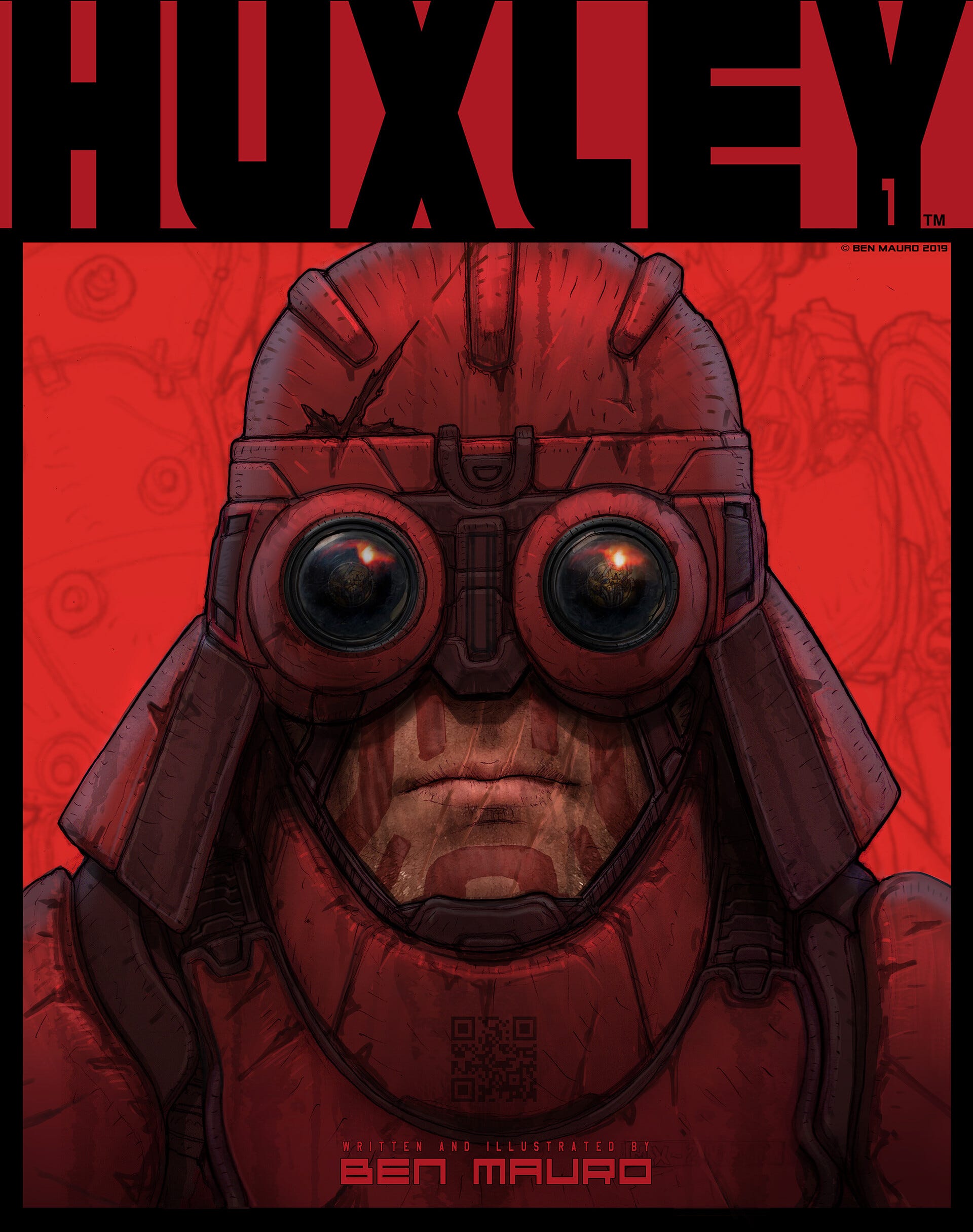
A lot of HUXLEY’s tone with the contrast between vast, empty landscapes and the beauty of old, forgotten machines probably comes from growing up in that kind of environment a little bit. One of the other things that I think helped was I had a lot of time to grow up in nature, explore the woods, build forts and things and develop an imagination in a pre-internet world. With how advanced and connected things are now I feel like this might be harder and harder to do.
BTP: You bring up some good points, Ben. As creatives, when we have nothing, we tend to fill the void with our imaginations. It’s inherent in our nature. Did you start writing and drawing when you were younger or did that come later for you? When did you come to the realization that a creative career was the right path for you and given those hard working pragmatic Midwest sensibilities, was there any support for that path?
Prefer a downloadable PDF? Get it here.
MAURO: When I was younger, I drew as much as any other kid did, I think, drawing ninja turtles, dinosaurs, snakes and other things like that. My parents would sign me up for art classes and other things to keep me busy along with other interests like sports at that age that most parents would do. A bit later I would make small books and start making up characters and simple comics but never took it super seriously until later in high school when I needed to really think about what I wanted to do with my life and career. So, when I was getting close to 16-18 maybe, when I was really into video games and getting to the end of high school and needing to plan out my future, I got serious about it and took things more seriously.
“What do I specifically want to do?”
What jobs are in that industry? What schools can train me to get the skills needed for that job? Then I sort of worked my way backwards for what I needed to do and prepare to go in that direction by the time I had to graduate.
My dad initially didn’t want me to go in that direction, but through that research process I just laid out everything about that career path, industry, salaries etc. to assure him it was a valid career. You could do quite well in that industry even if it didn’t seem like a traditional path of doctor/lawyer or something more ‘safe’ sounding.
BTP: When I met you, you were going to school in the Pacific Northwest, and then, like a rocket, you took off to Art Center College of Design...and then worked all over the world! What about your trajectory do you believe fueled you creatively? Why after so many years did you finally come back to settle again in the PNW?
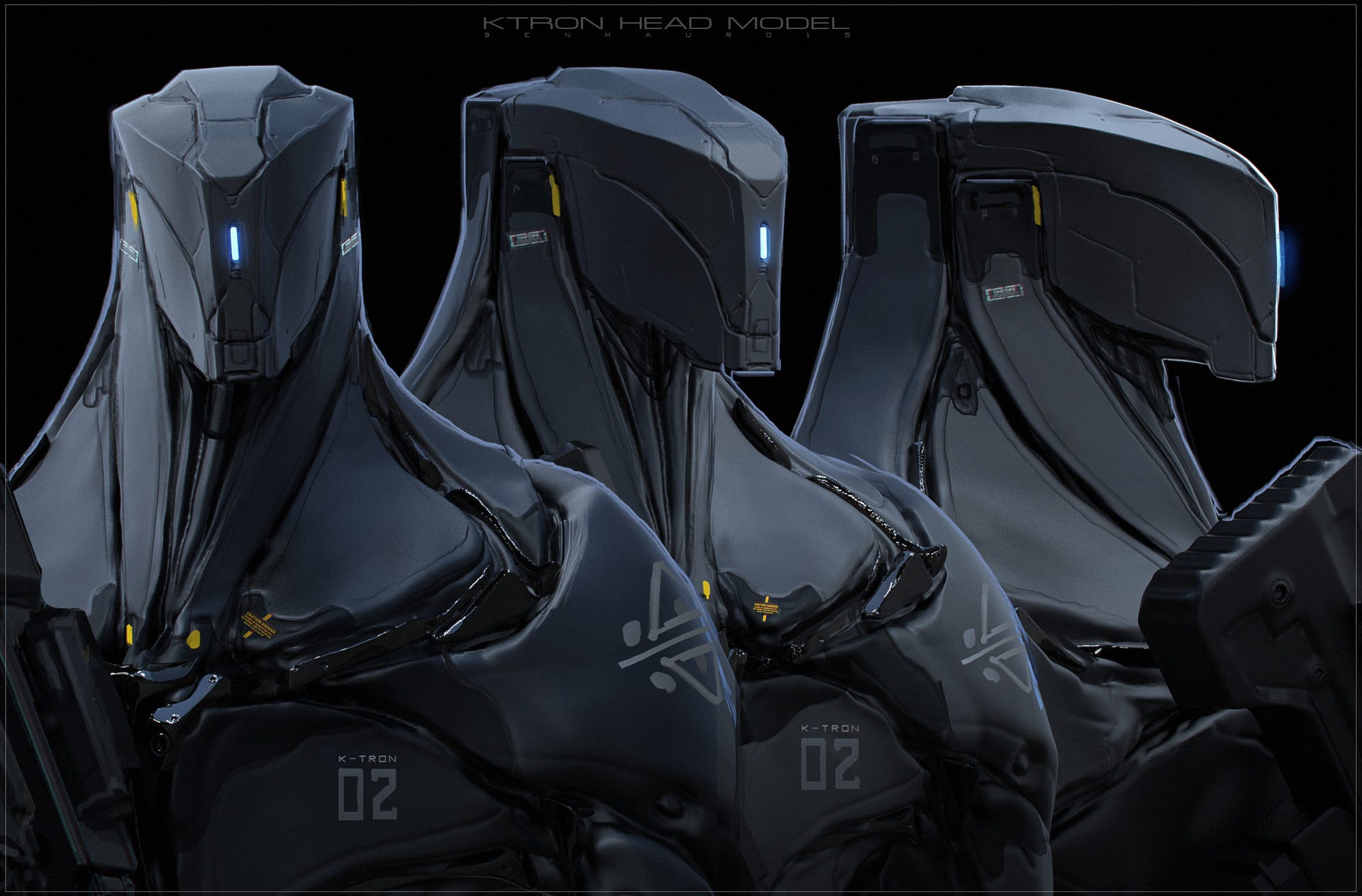
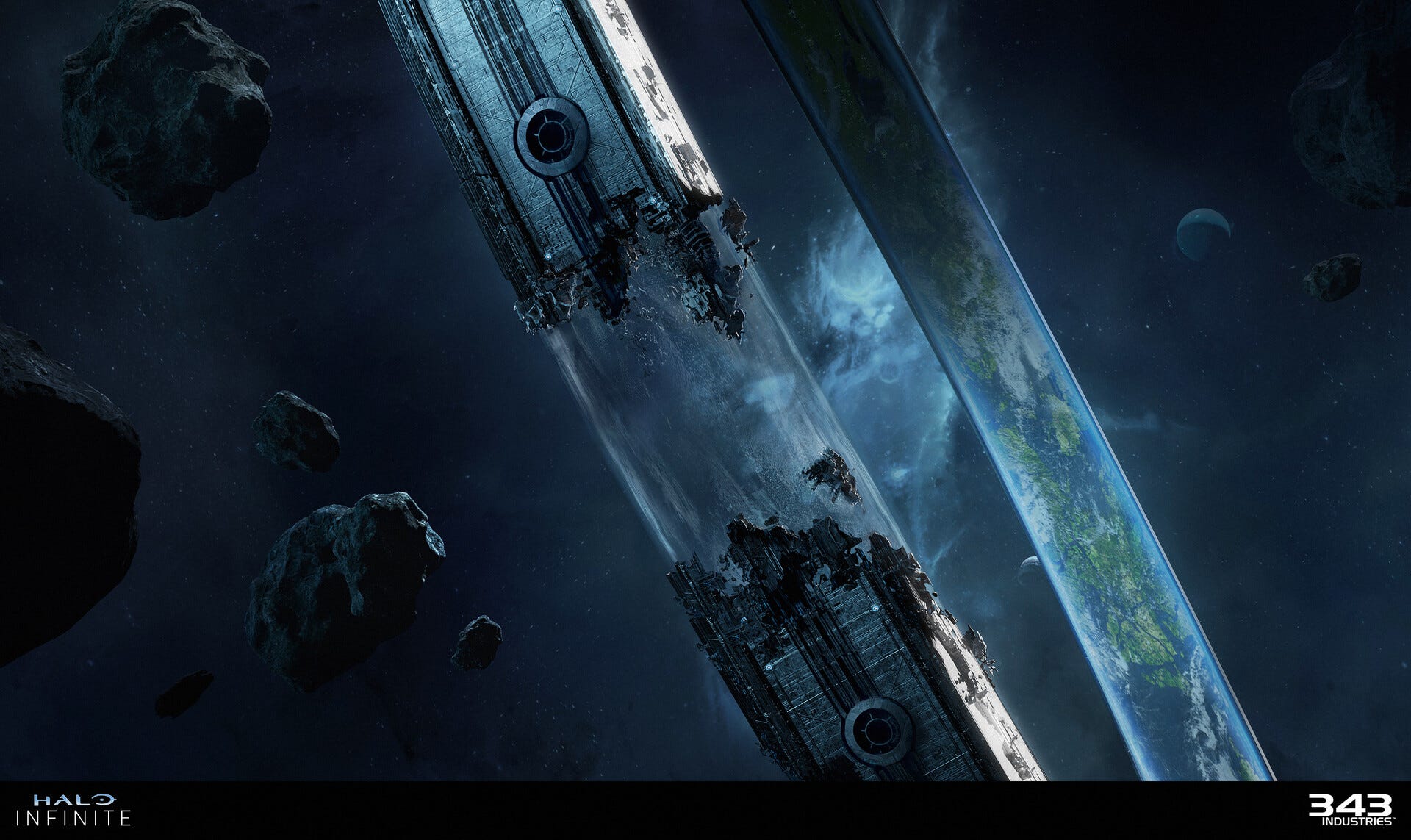
MAURO: I think initially I was following my passion. Halo really made me want to work in games in high school—specifically I really wanted to build levels and design architecture for levels which lead me to a 3D animation school in Seattle. After a few years of hard work there I found I really cared most about the art/design side of things and building entire worlds…which unfortunately meant a lot more school. So that led me to Art Center to get the more specialized design skills I needed to do that job.
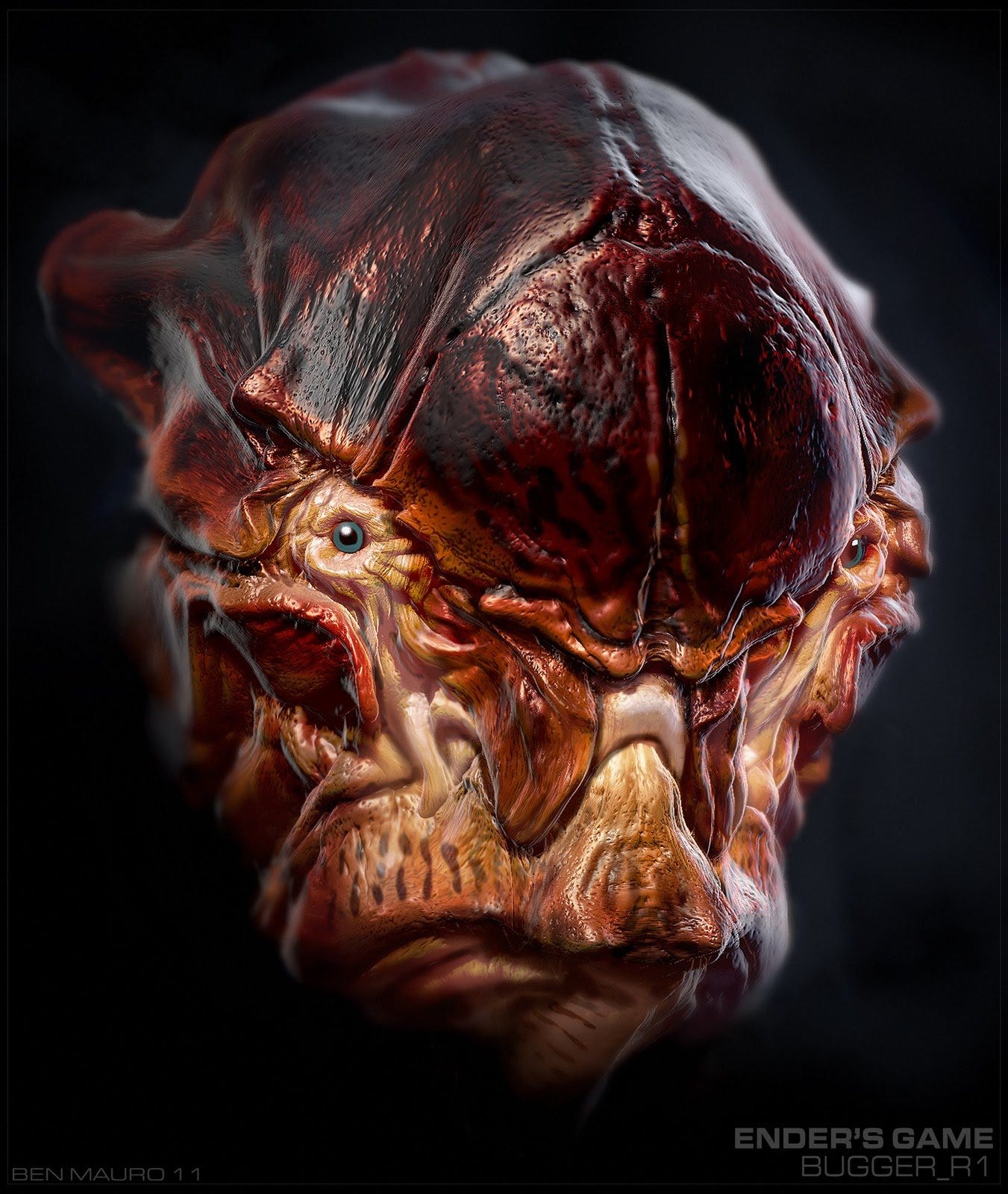
After more years of work and refinement it felt like I was good enough to begin my professional career interning and working at local game and film studios in LA like Insomniac Games, before finally getting a job at Weta Workshop. I then sold my belongings and moved to New Zealand for about 4 years.
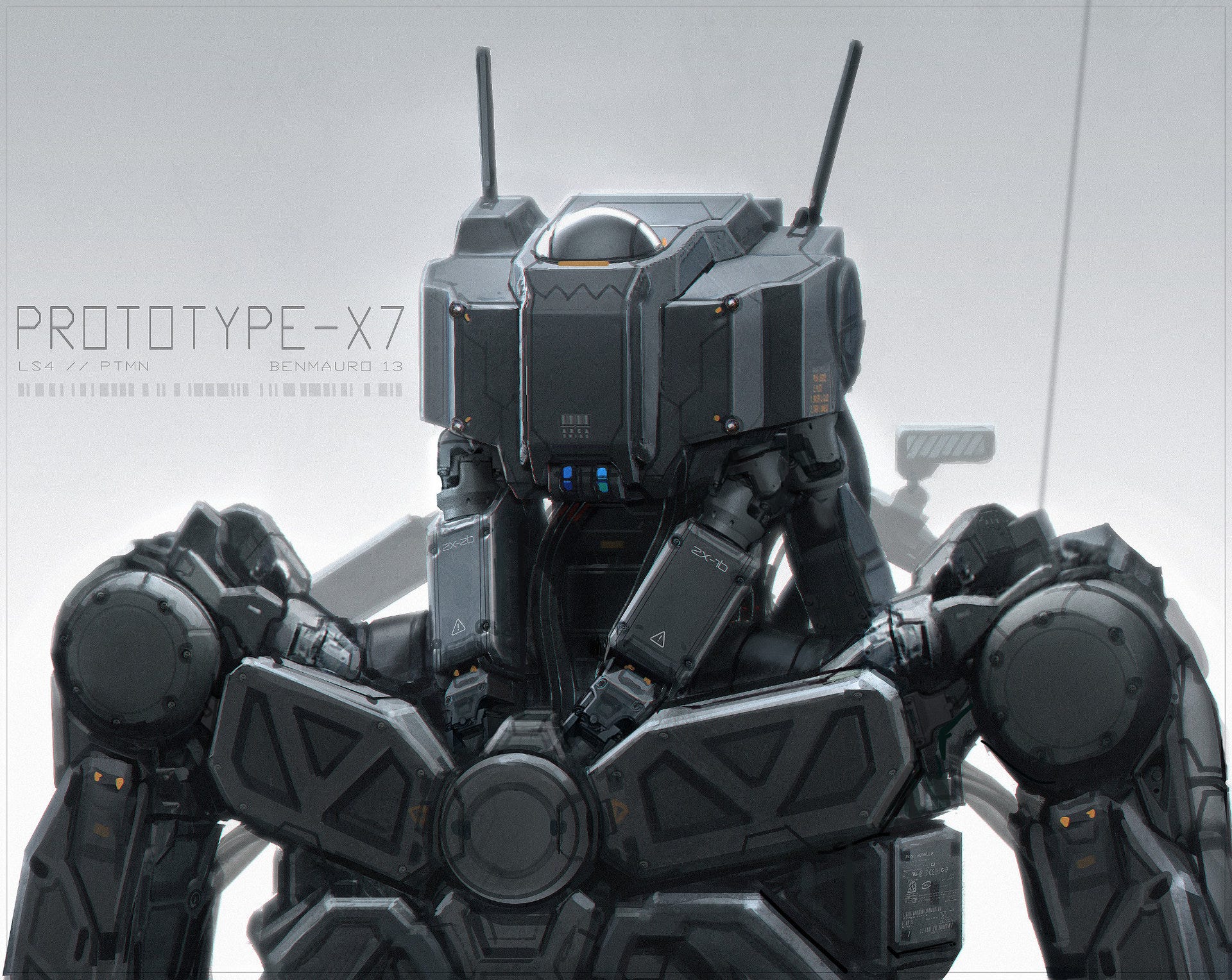
After working on some dream projects like Elysium, Chappie, The Hobbit and many others, I felt like I had accomplished what I had hoped to there, but in order to grow further I needed to move onto the next adventure. Which to me, was traveling and freelancing.
I guess I have always had a pretty good pulse and honesty with myself about what I needed to learn to grow. Where the information was, and a willingness to change my whole life to make sure I learned what was needed. After years of schooling and then 4 years in a studio the thing that stood out to me was, I had reached the limits of what I could understand through Google and the internet at the time. I really needed to fill up my visual library with real life experiences and travel. I had no real plan, never freelanced or traveled before, but just found a way to make it work as I went along.
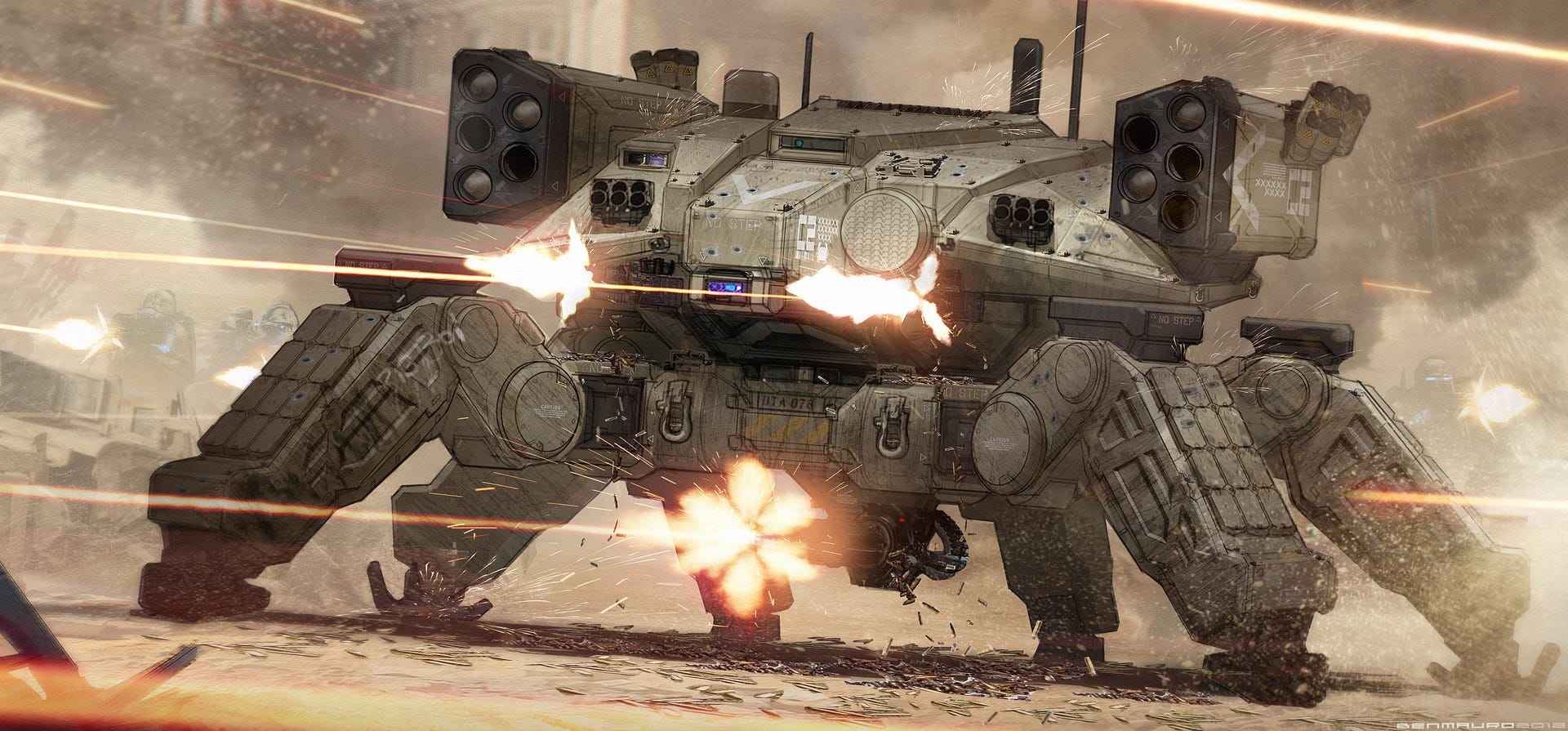
After around 3 years of traveling out of a backpack with my girlfriend (now wife), multiple Call of Duty’s, the film Valerian and a few projects later, it was time to settle down a bit more and have a dedicated studio so I could focus on Huxley. I took all those life experiences and began putting them into my personal and professional art. I think I really connect with the PNW overall. To me, it felt a lot like my years in New Zealand mixed with Michigan, where I was surrounded by nature but also had a lot of rain and grey days where it was more conducive to staying inside and getting work done.
BTP: That’s the one thing I admired about you, was your determination and drive (And to be honest it was a little scary seeing someone else other than myself afflicted with it). You always seemed to be pushing against the ceiling of your own limitations until you found a crack and broke through. It’s a hunger that separates novices from the professionals and isn’t something you can teach. That desire can be challenging for family, friends, and relationships. What was it like to meet someone who could understand that kind of mindset? How do you and your wife compliment each other in your individual pursuits?
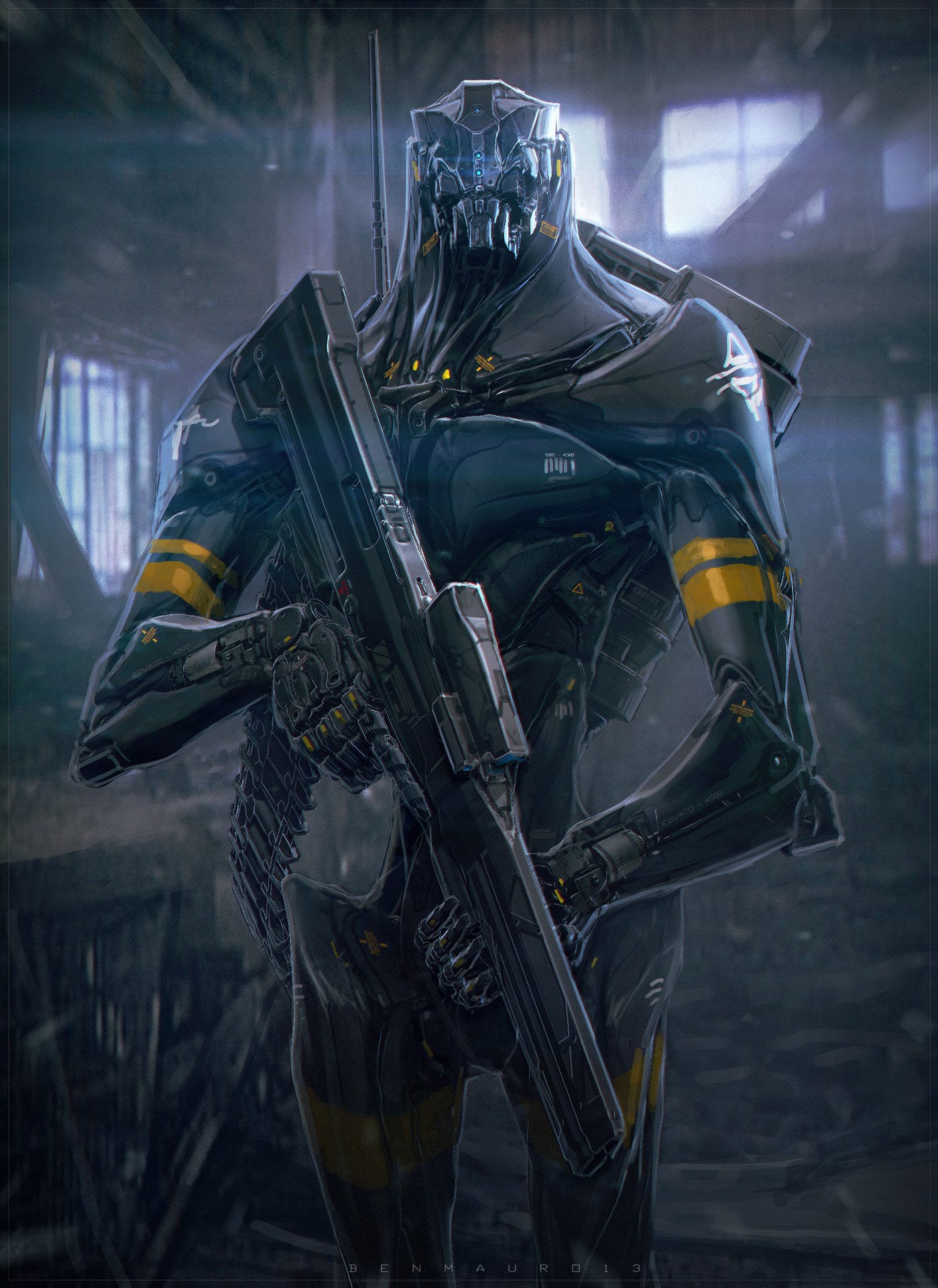
MAURO: I think it helped that my wife is also an artist in the same industry so we are both used to working kind of crazy hours together and understand how demanding things can be sometimes. When I wanted to take some bigger risks creatively or financially with my art she understood and was supportive on some of the bigger and longer-term decisions like spending so many years on a graphic novel or adapting it into trailers and other things, living pretty meagerly for a number of years to buy more free time to put into these things. I’m not sure people outside our industry or doing this would understand some of this?
BTP: You’ve gotten to work with some amazing directors over the years like Peter Jackson, Neill Blomkamp, and Luc Besson to name a few. When it comes to concept art, how much do you actually collaborate with a director vs. a production designer? Have people hired you directly or has it been through networking?
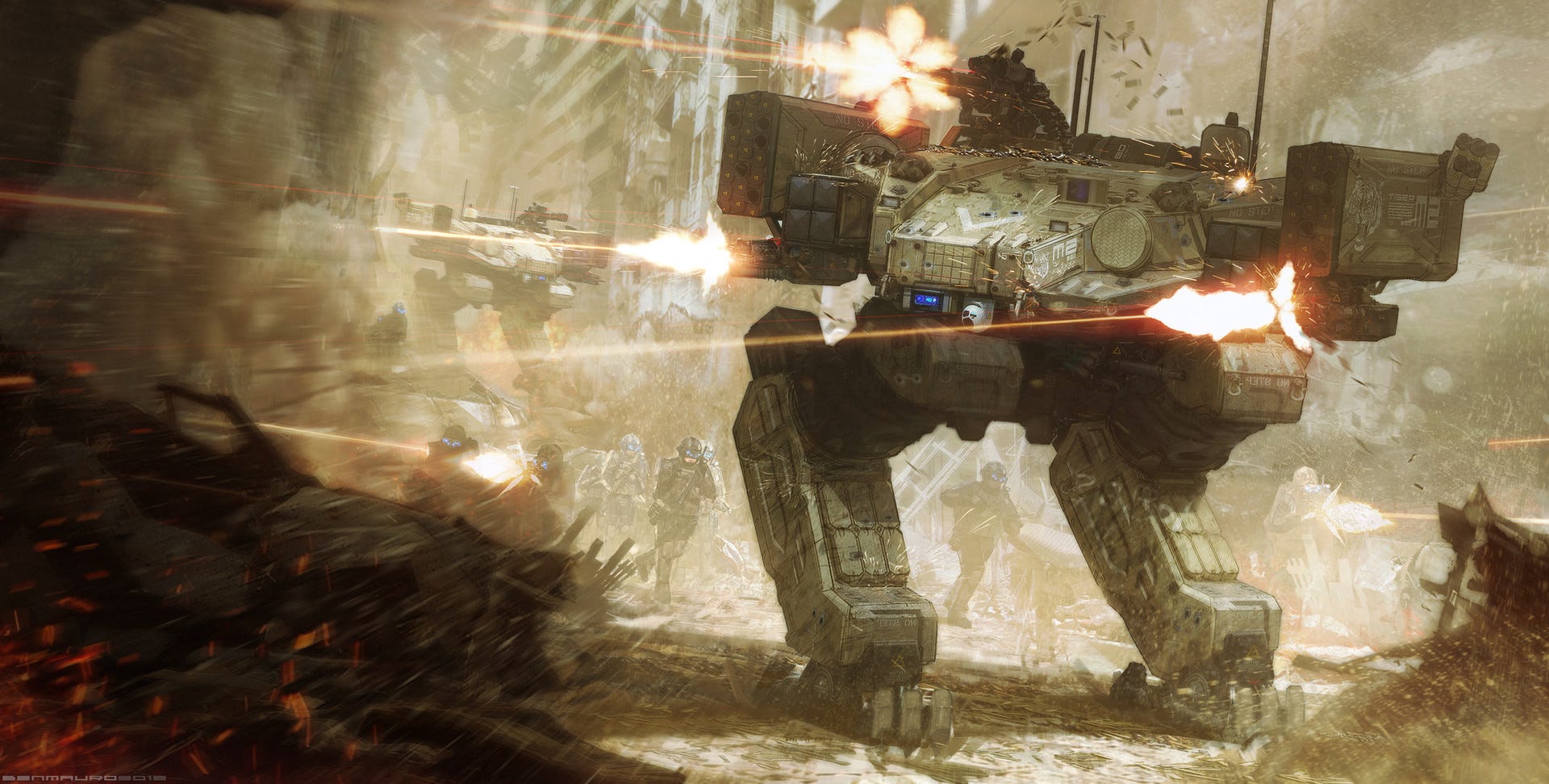
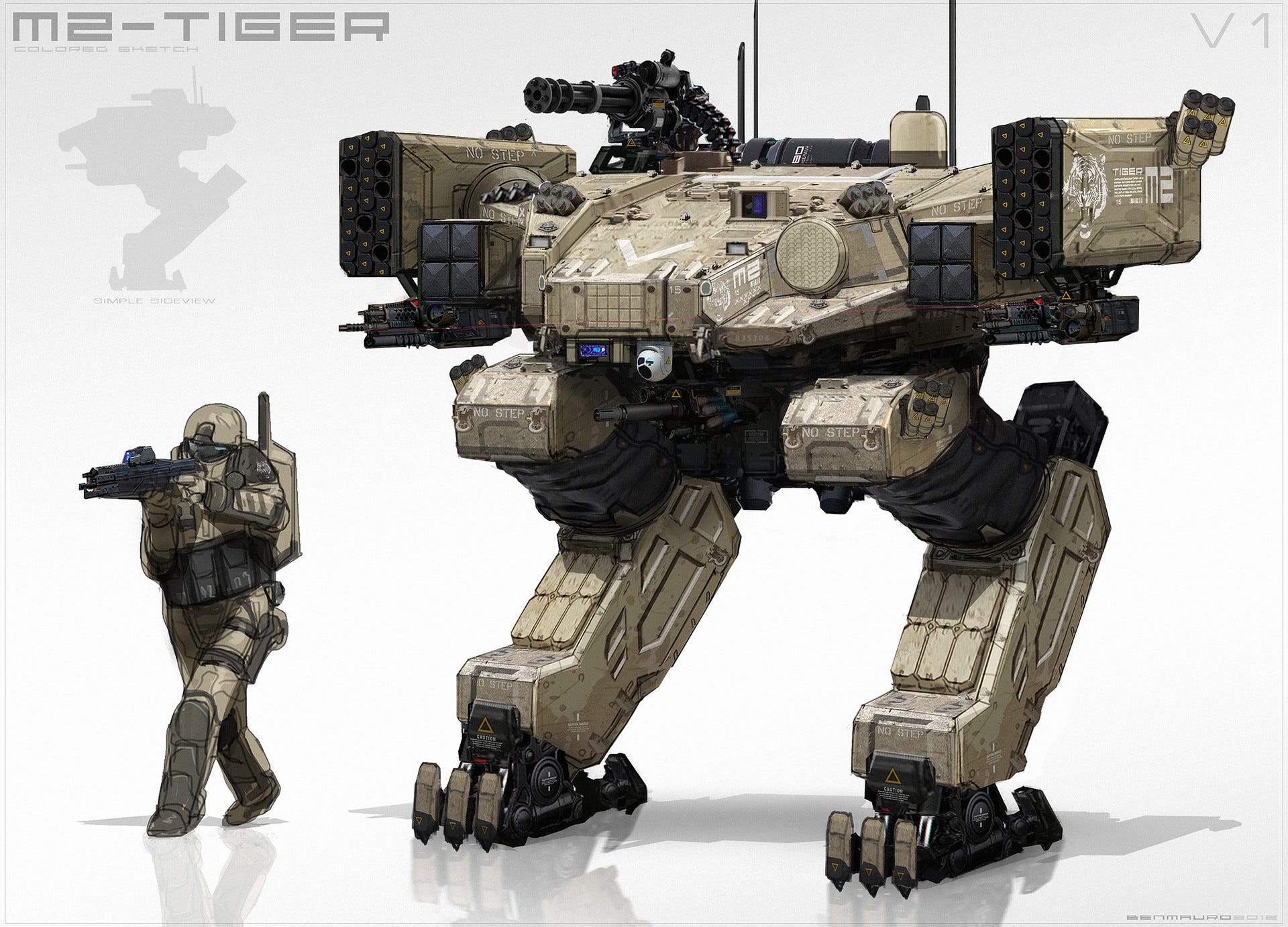
MAURO: I guess it’s a bit of both, on most of the early films it was all through Weta Workshop as an artist working there in-house. Most of the time down there we were sometimes directly collaborating with the director in meetings, calls or in person at the workshop. Other times there was a bigger chain of people between us and the director which could sometimes be harder, but each job is always pretty different. After I started freelancing, I would always just try to work directly with companies and directors. With Valerian and Lucy I was working directly with Luc Besson, going out to France to be in-house while they built sets, costumes, and even filmed the movie was a really awesome experience and bucket list moment for sure!
BTP: You’re a pretty reserved guy and you keep your emotions well in check. But come on, how freaked out were you to meet some of these directors and to be in the same room with so much talent? Was there a moment at any time where you were concerned that you may not live up to the standards or pace set by other people in the room?
MAURO: Oh it was really exciting for sure at the start! I was obsessed with Lord of the Rings and District 9, so the first weeks/months on The Hobbit and other jobs were like a dream come true. However the reality of it all and maybe the part about becoming a working professional is understanding that it IS a job and it is going to take 3 to sometimes 10+ years for a film to get made and come out. So, you need to learn the patience, pacing and balance in your life so that you can do a good job consistently every day for many years vs being super excited for a few months, burning out and being inconsistent in your output.
I think at the start it was most stressful coming right out of school and working with so many experienced artists at first, there was definitely an adjustment period applying what I learned in school and how they did things on the job that was a better approach to what I knew. For example the reality of output vs quality, I remember being so proud/arrogant that I could do ‘many drawings/design’ a day but they solved very few problems for the client, but one of the senior artists would do 1 drawing and it solved 50 problems and would always get picked by the directors…..things like this made me realize how much I still had to learn.
“After a while you keep refining your process and improve pretty fast on the job.”
BTP: About how long, on average, did you end up working on a film production? Can you walk us through what a typical day would look like from when you start to when the workday is over?
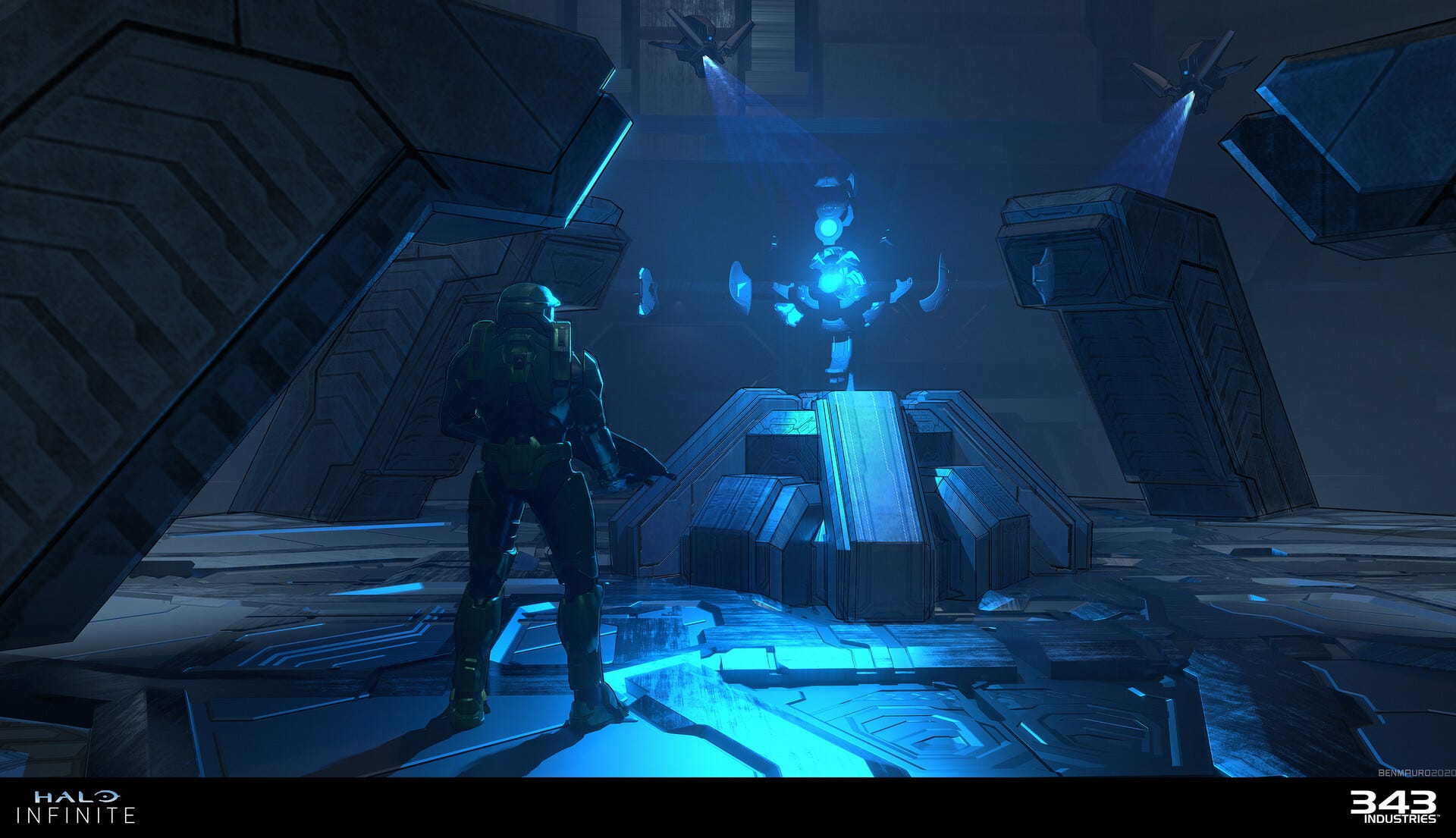
MAURO: I mostly work on games now, but back in the Weta years it could vary a lot. Sometimes we would only work a couple weeks on things because so many pitches and projects that were trying to get off the ground would be coming through the studio. Bigger things like Hobbit or Elysium were many years of full-time work for the studio and the artists. Elysium, especially for myself and handful of the artists, were on that pretty full-time for 3-4 years—seeing it go from a couple sentences on a page from Neill Blomkamp to designing the whole universe and seeing it through to final VFX and watching it in theaters.
A typical workday back then might have been getting into the office around 9-10am or so and working into the evening around 5-6pm or a bit later if we had some bigger deadlines with typically some sort of sendoff before end of day so the client was getting an update each day. Overall, it was a bit less stressful than LA hours and what I was used to in the states. So, there was a pretty good work life balance down there overall. I would usually go home and do personal work most nights and weekends to keep improving for those years.
BTP: Given the fact that you were in New Zealand, or when you were traveling, I would hope that you’d gotten to experience other cultures first-hand in all the places you’ve lived. Could you paint a picture of how intersecting with cultures influenced you creatively? What were some of the best moments in your travels that opened your eyes to something that you did not fully realize before?
MAURO: I think a lot of it was just seeing things first hand in each country, how some of my favorite cities, countries, art and cultures formed through history and seeing how that culture and heritage was retained or removed from the modern city that was now there. How humans have adapted and thrived in all parts of the world is endlessly fascinating to me.
Also seeing and understanding firsthand how some of my favorite companies and designers grew up and came from certain countries and parts of the world. For example, travelling to Modena Italy and seeing how and where Ferrari and Lamborghini were formed, or Tokyo where Otomo made Akira, I could absolutely see how and why this happened there. Maybe one of the other realizations from travelling to so many countries, many where I had no understanding of the language, was that generally most people were the same regardless of nationality, country, culture, language etc.
We are all trying to survive and thrive, have a good life that is meaningful to us and our friends/family. Hopefully leaving things in a better place than when we started.
BTP: When it comes to freelance film work, how does the negotiation process for your rate work? Do they offer you what they offer, and you come back with a different number, is there an industry standard, or is it based on what you’ve made previously and they either match it or raise it?
MAURO: I might be a bit out of the loop on how the film industry works now, my experience was always outside of LA and not being in the union. For me it was usually what I was charging for my clients in games or maybe slightly higher for film because the turnarounds were usually super short and stressful.
Usually, they would contact me, and they would accept the rates I was asking for. However, I kept in touch with friends to make sure we knew what the general average rates were, so we weren’t charging too much or too little. I know in the Film Unions there might be more rules and structure/standardization to things, but I was never exposed to that while I worked since I was outside the union for my career.
BTP: That’s a really good point. LA has it’s own ecosystem. After having done the movie thing abroad for awhile, did you get contacted to do any film work in LA? Creatively what has been more fulfilling to you: Games or Films? And why that choice?
MAURO: I think I always had smaller gigs come in for LA productions, but I think because of not being in the Union it was always smaller stints or working through third party companies which I wasn't super interested in by then.
Most of my time went into game freelance jobs and Huxley since they tended to be more long-term and paid pretty well. I like both industries a lot, but overall, maybe I enjoy games more now as a creative. I think mostly because the fidelity in games finally caught up to film. When I was starting out, games were very simple graphically speaking, so film to me was much more challenging and realistic. There was a lot more to learn as an artist or at least in the things I was trying to get better at.
Over time,, technology advanced a lot and now it's basically the same or maybe even a bit harder working on games because we need to design everything because the player can walk around and look at every little thing vs just needing to design something from one angle for a single shot that never gets used again.
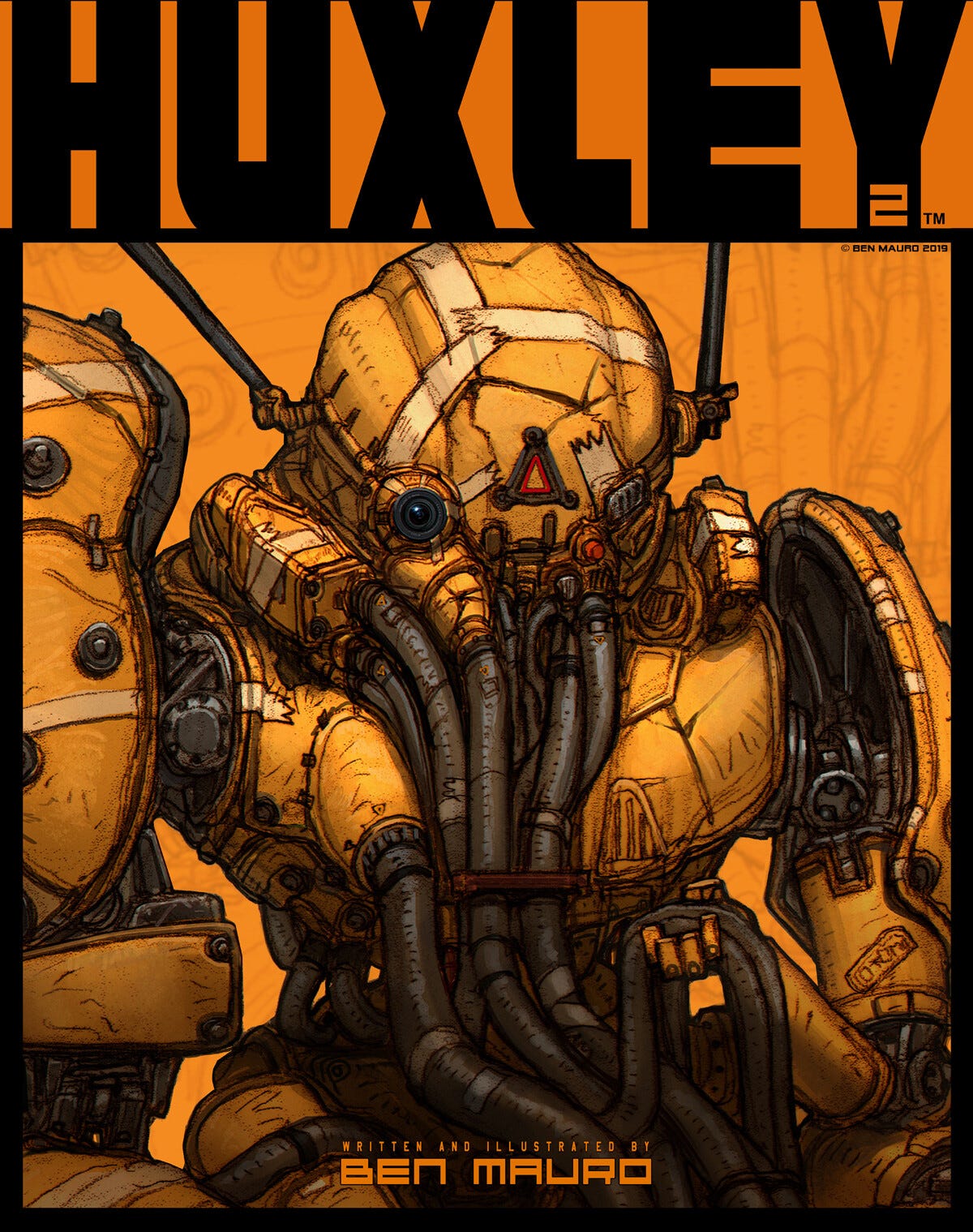
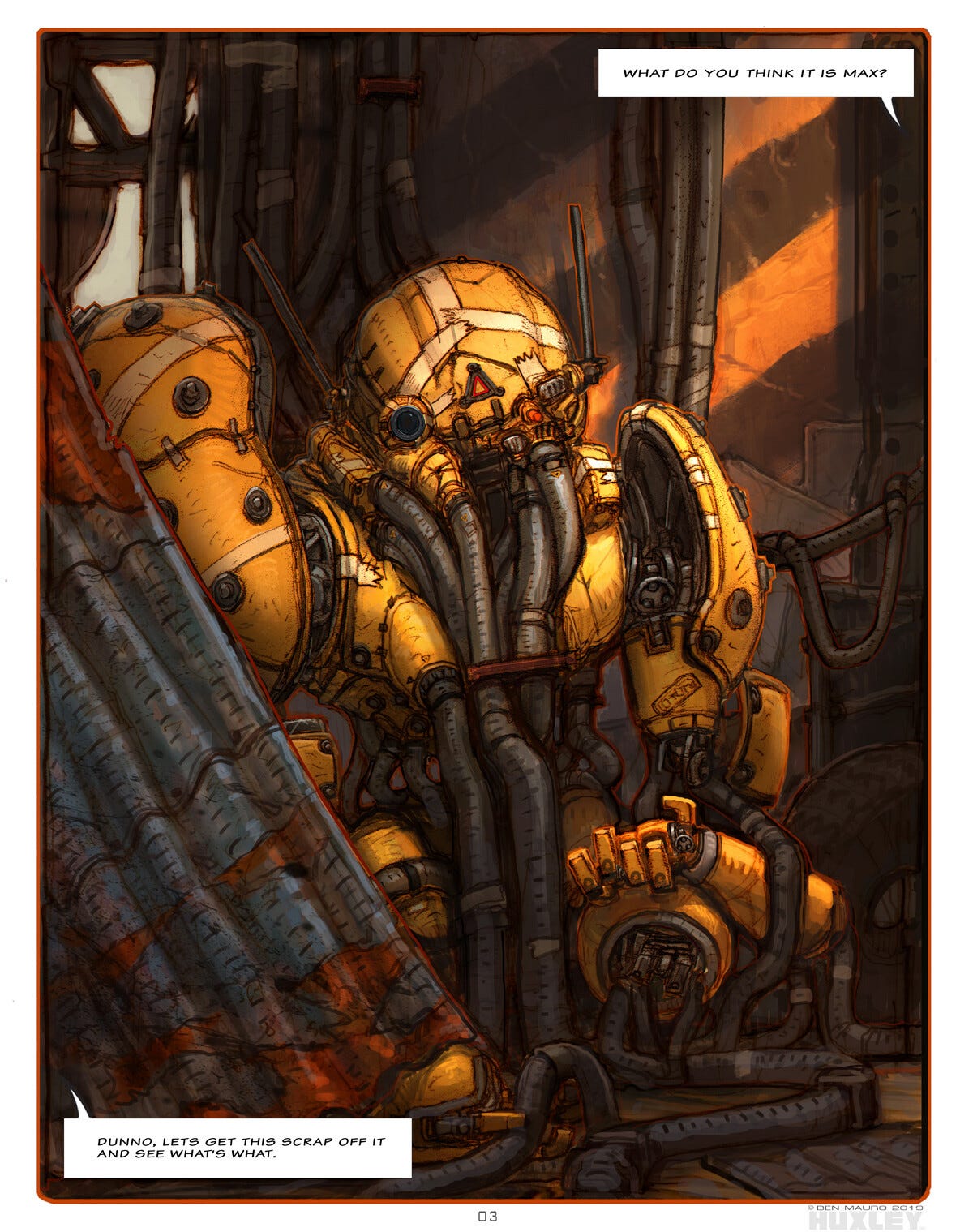
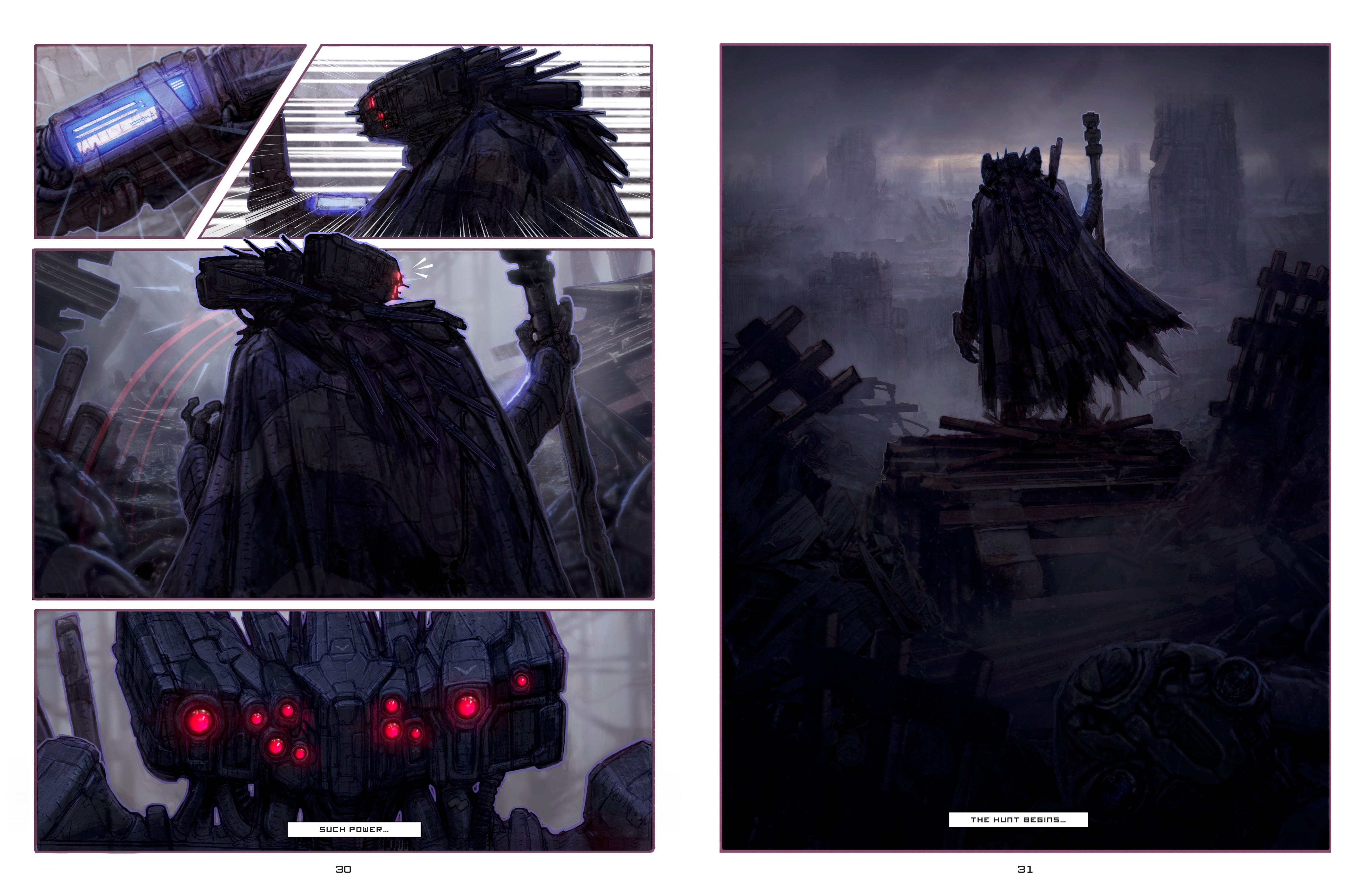
BTP: Turning to your graphic novel project HUXLEY for a bit, how did you go about the writing process and how many drafts did you go through over the 10 years you’ve been working on it? Had you written other things before or was this your first fully realized project?
MAURO: For HUXLEY it was a lot of drafts and back and forth on the writing side. A lot of rewrites to make sure the reading experience felt natural etc. after all the art was finished as well, but on the art side it was a bit more straightforward and linear.
I kept trying to plan big chunks of time when I would start, “after I finish this freelance gig I’ll take 6 months off to work on my graphic novel”, then another job would immediately come in and I would tell myself the same thing…I just realized that moment would never happen. I had to start right then and there and do both at the same time in chunks throughout my day/week.
I knew what page one looked like, then after that was done, I knew what the next couple pages looked like, and it just sort of grew organically from there. It was like a movie playing in my head and I just had to slowly transcribe it into images over many years.
This was my first fully realized project from start to finish for myself, but I felt more comfortable doing this after doing it from start to finish for bigger companies, directors, and studios. By that point it had finally given me the confidence (and patience) to go for it.
BTP: In the HUXLEY documentary you said you used a years’ worth of salary working on Halo to fund a trailer. Why do you believe such an ambitious trailer was key to marketing the graphic novels? How hard was it to find the right people throughout the world to help out that you could trust?
MAURO: I didn’t originally plan to do that, but while traveling, going to workshops and events, I would meet a lot of talented people and directors. All of us were in different stages of our lives and careers.
I met Sava Zivkovic who was a hugely talented CG director. At that point he was really interested in creating original trailers to break away from all the bigger franchise work he had done on bigger properties. I was getting toward the final 30-40% of my book at the time and thought it would be a pretty amazing thing to see come to life as I was finishing the book, for many reasons.
A lot of it came from seeing how the film production process worked and trying to remove all the doubts and “no’s” in the room. A lot of the difficulty with adapting things typically would be around how it should be translated. What should it look like? What would the style be? How detailed?
So, to me doing this myself ahead of time eliminated this from the equation and showed how cool the graphic novel universe could look in a more cinematic form. On top of that I would also be able to Art Direct and adapt my characters into very detailed photoreal versions with the team that I just didn’t have time to do in the graphic novel yet, so it ticked a lot of boxes for me. When that moment of me having a steady job, meeting a talented director and small team that wanted to make something cool together I just went for it and made it work even though it meant I would be living meagerly for a year putting my whole salary into paying for the team.
BTP: Blood, sweat, and money is how things get done, kids! Once you started seeing assets being built, how much did that influence the comic? Did you find yourself wanting to rework anything now that the world was becoming “real” or did you have the self-control to not George Lucas your efforts (Just kidding George, we love you!)?
MAURO: I’m not sure if it affected anything in the comic since it was all designed already and pretty far along, but it did help with some of the later illustrations having my designs much more HD and being able to use for staging and blocking out some more complex illustrations. So less of something that had me going back and changing old things and more about helping solidify what was there and make things even more detailed.
There was a little reworking early on with two of the villains, but this was early on in 2D, the character Karmak turned out so cool when I got to his scenes that it made the Demon robot look too weak by comparison, so I had to go back and push that design to 11 to look way more evil and intimidating.
BTP: That’s interesting. I’ve had that happen a few times with character designs as well. Are there plans for a feature-length project? Have you written a screenplay for that or do you believe it’ll be a direct translation of the graphic novels?
MAURO: At the moment I am in the middle of finishing writing and illustrating the first trilogy of stories with my team that will be published in the next few years. Each book’s story is in different stages of adaptations into films, TV series, and games. One of the stories is better suited for anime and one seems best suited for live action, while another feels like more of a CG film or videogame.
At the moment it’s about expanding the brand and making sure the books head out into the world in a big way. Using that building momentum by having all those other elements ready and have the right partners in place to go out and see what’s possible.
Those bigger goals are definitely much more complex, need bigger teams, partners and studios working together to make that happen, but it’s definitely part of the plan to continue pushing and developing things in that direction.
BTP: That’s mind-boggling. Getting more people involved is absolutely necessary, but at the risk of losing a certain amount of control. If you have the right people in place that you can count on and trust, it makes it a little easier. What have been the biggest challenges people-wise for you in opening up your world to approach this full suite of media ventures? Do you have an LLC or any legal representation in place to assure that the ownership and rights are understood?
MAURO: Finding people can definitely take time but is part of the process. Takes time to try people out, see if they are able to hit the design target, if so I would keep working with them (many of them for years and still working with them now) and others didn't seem to get it, or the style was too different, and we parted ways.
On the art side it's much easier for me, I can sort of tell pretty fast from their portfolio and within the first sendoff or two if they will fit or not so that works itself out pretty fast. The hardest one is maybe finding good writers that can hit the tone and narrative targets while doing some of the adaptation work, but it's getting there.
I definitely have companies’ setup for all this, full legal process, lawyers, and a system in place for each stage of copyright/trademark registration before something is able to be released publicly. A lot of the boring, time consuming, legal side of things of running a company that we don't have to deal with when we work on someone else's game/film but is just another thing to understand and learn if we want to do that side of things for ourselves.
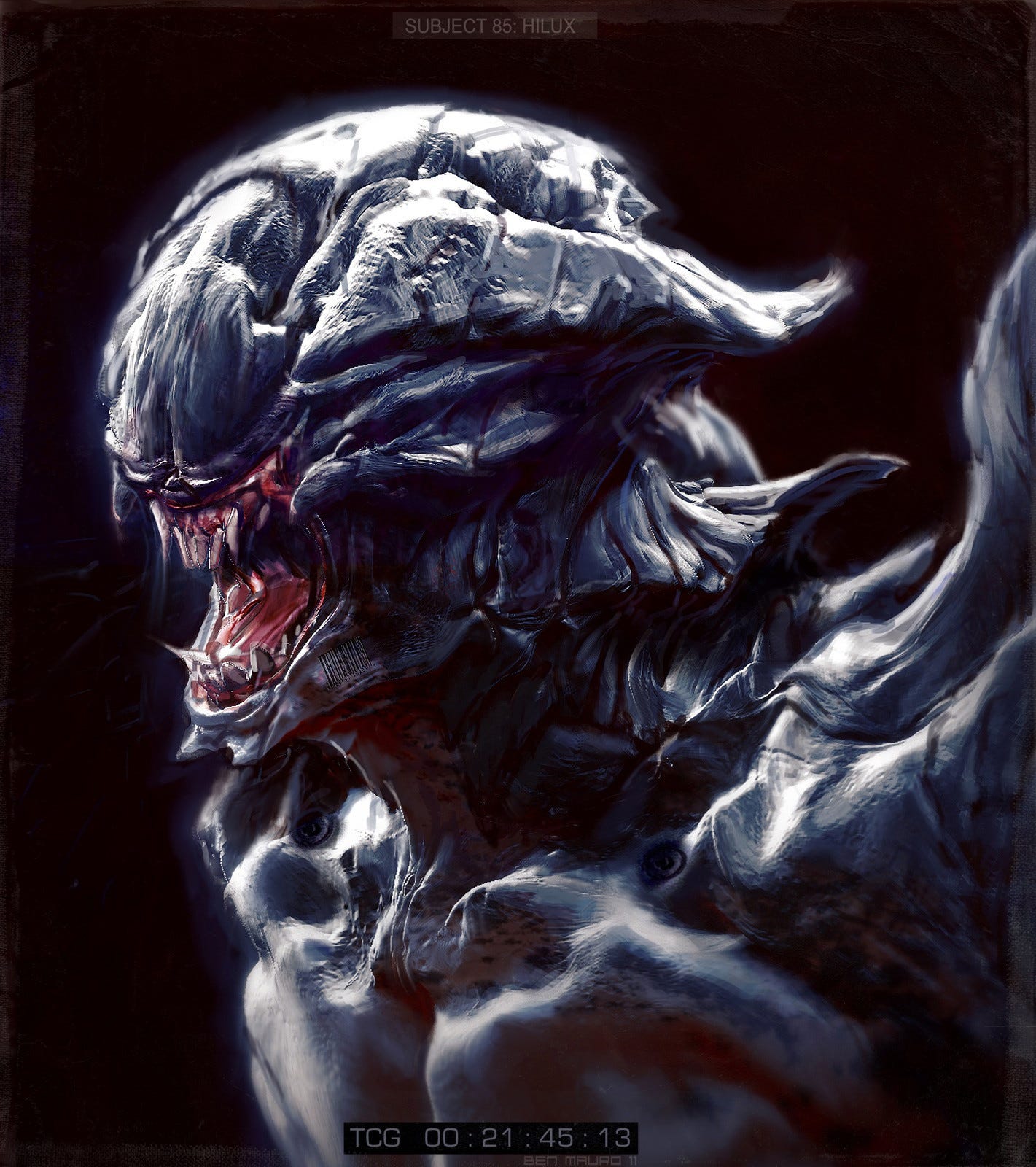
BTP: What I’ve admired about your career arc is how much you embrace new technologies. You were one of the first people I know who did well off of NFTs. Especially at a time when most of us were wrapping our heads around Bored Ape imagery. You were also selling Photo Packs and even Texture Packs (I believe) early on as well. What difficulties did technology help you overcome? How hard was it to adapt to the latest and greatest wares?
MAURO: I guess I always try to stay on the cutting edge of what’s happening with technology, how does it make our lives better and is there a way it can allow artists to take their destinies into their own hands. In the early days we needed a lot of other companies and studios and companies involved if we wanted to make a living or do things like make and sell a tutorial, but with YouTube, Gumroad, Patreon, Twitch, and other websites and services it allowed individual creators to cut out the middlemen and do all this ourselves.
I definitely think it’s important to keep an eye on technology, so we are always on the cutting edge and ahead of the curve of these advancements. I guess the next thing like this would be AI and making sure we are ahead of the curve for however that will help/hurt/affect our industry and make sure to stay on top of it.
BTP: That democratization of tools while great, also puts the onus on us to wear more hats. On top of that it demands more of our time and attention. How do you juggle being creative versus having to learn and stay on top of new technological developments? I know you work seven days a week, but do you have a structured schedule that you keep for yourself to perform at such a high level?
MAURO: Wearing many hats definitely slows things down and takes time away from the creative side for sure, I guess I just try to balance things out as best I can at any time. Things like keeping my foot in the production world on games helps me keep the pulse of the industry while I work on my own projects.
It’s definitely overwhelming, but it forces you to stay on top of things and try to stay ahead of the curve as much as possible and try to anticipate where things might go next. This helped a lot while I was working on Halo and in the middle of the first book. I would learn new things on the job (for example learning new programs like Blender) that would then help me solve problems for a new complex environment shot, then solving that would help me figure out something even more complex during the day job so my work was constantly levelling up.
Having this balance in professional and personal work created a really exciting positive feedback loop of new information and skills that were always coming in that felt really natural.
BTP: When it comes to AI, it certainly has its place in production pipelines to fill in gaps, reproduce and execute mundane tasks, etc. Where has AI been helpful for you, if at all? Because you tend to walk the line of being a futurist, where do you see the integrity of creativity vs. the unstoppable integration of AI going?
MAURO: It’s fascinating to see this rapid advancement and how it is integrating into all of our lives so quickly. Much of this are the same things we grew up reading about. What I personally speculated and visualized for films for most of my career and now it’s become reality.
A lot of the plot lines in HUXLEY and especially the upcoming prequel book, Oracle, deal with many of these themes directly that I wrote about a few years ago but are further in the future and how they might play out.
Personally, I keep HUXLEY hand-crafted—an artist-made project—but I can see how some of these tools can be useful in a production environment at bigger studios and affect our industry in really negative/disruptive ways. No one knows for sure where all this will go long-term, I have a lot of positive and negative scenarios that run through my head but like with any new advancements we just need to stay ahead of the curve to not be left behind. We need to figure out how we can be useful and create value on new projects and productions as the industry changes and adapts rapidly.
BTP: Here’s a thought experiment. You’re in the business of Huxley, the games, the movies, the animated show are doing well, and all that time and effort has been well-worth it. What does your future look like beyond Huxley? When all the work is done what could retirement look like for you and your wife?
MAURO: I'm not sure it will ever end to be honest, things like this really focus my time and energy in a positive way that gives purpose and meaning to my life. There will always be another mountain to climb and story to tell I feel. Seeing how Miyazaki has lived his life making animated films the last decade and has retired after each film, then a few months later you can tell he got bored/restless and comes out of retirement to make one more movie.
I feel like I have a similar restlessness where I can't sit still for too long, I need to feel like I am doing something I feel is important or meaningful to me—creating something cool and feel like I'm doing something useful with my time.
If I were to just ‘retire’ or take larger gaps of time off I think I would just get bored or feel like I was wasting my time and then create something to occupy my mind and give me a similar purpose again.
It's definitely hard for me to ‘turn off’, I think I just need to get better at balancing smaller gaps of time where we can take mini vacations or breaks, otherwise the years speed by and I have just been stuck in my office.
Having our dog the past year has started to help with this; it keeps you more in the moment and forces you to go outside a bit more and enjoy the day. I think back to an old quote that went something like
“If this was your last day on earth, would you be happy with how you lived it and what you accomplished?”
I tend to think a lot about this and try to make sure every day was a positive or meaningful step toward these bigger things I am trying to accomplish, but I also found ways to enjoy the day with my wife and make sure our dog is happy and living her best life.
BTP: MEANING and PURPOSE is what distinctively drives humans. I know I need it in large quantities. But as I’ve grown older I’ve come to realize it can also take many other forms. How can we connect with friends, neighbors, and our community at large and change their lives? It’s a question I’m currently working to answer having worked so hard most of my life. But to your point, striving for balance is a never-ending quest.
BTP: Thanks so much for having joined us today, Ben. I really enjoyed our conversation. Good luck with Huxley! Wishing you all the best.
You can follow along on Ben’s journey here:
Website: https://benmaurodesign.com/
Instagram: https://www.instagram.com/ben_mauro/
YouTube: https://www.youtube.com/@HUXLEYSAGA
Artstation: https://www.artstation.com/benmauro