


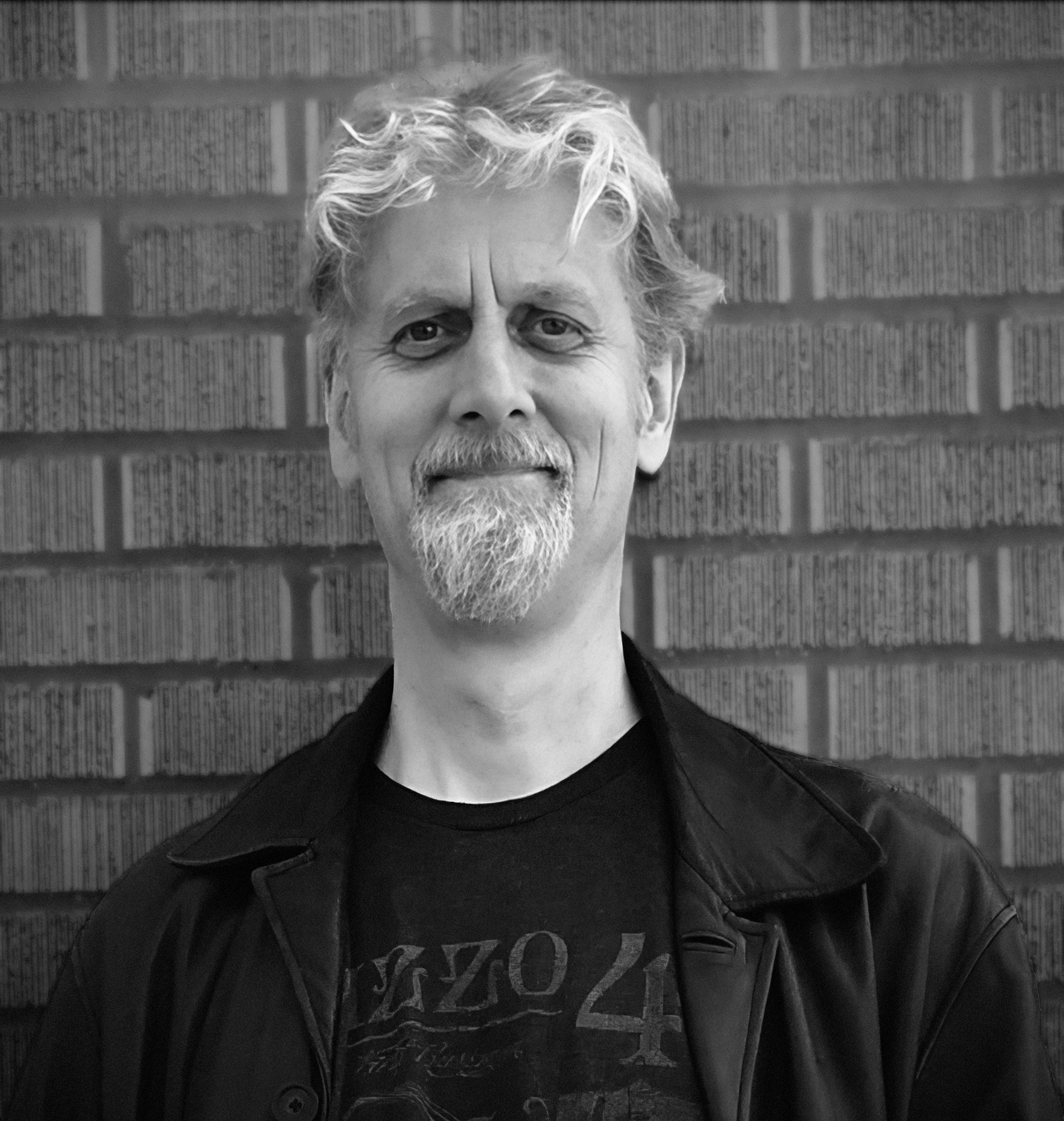
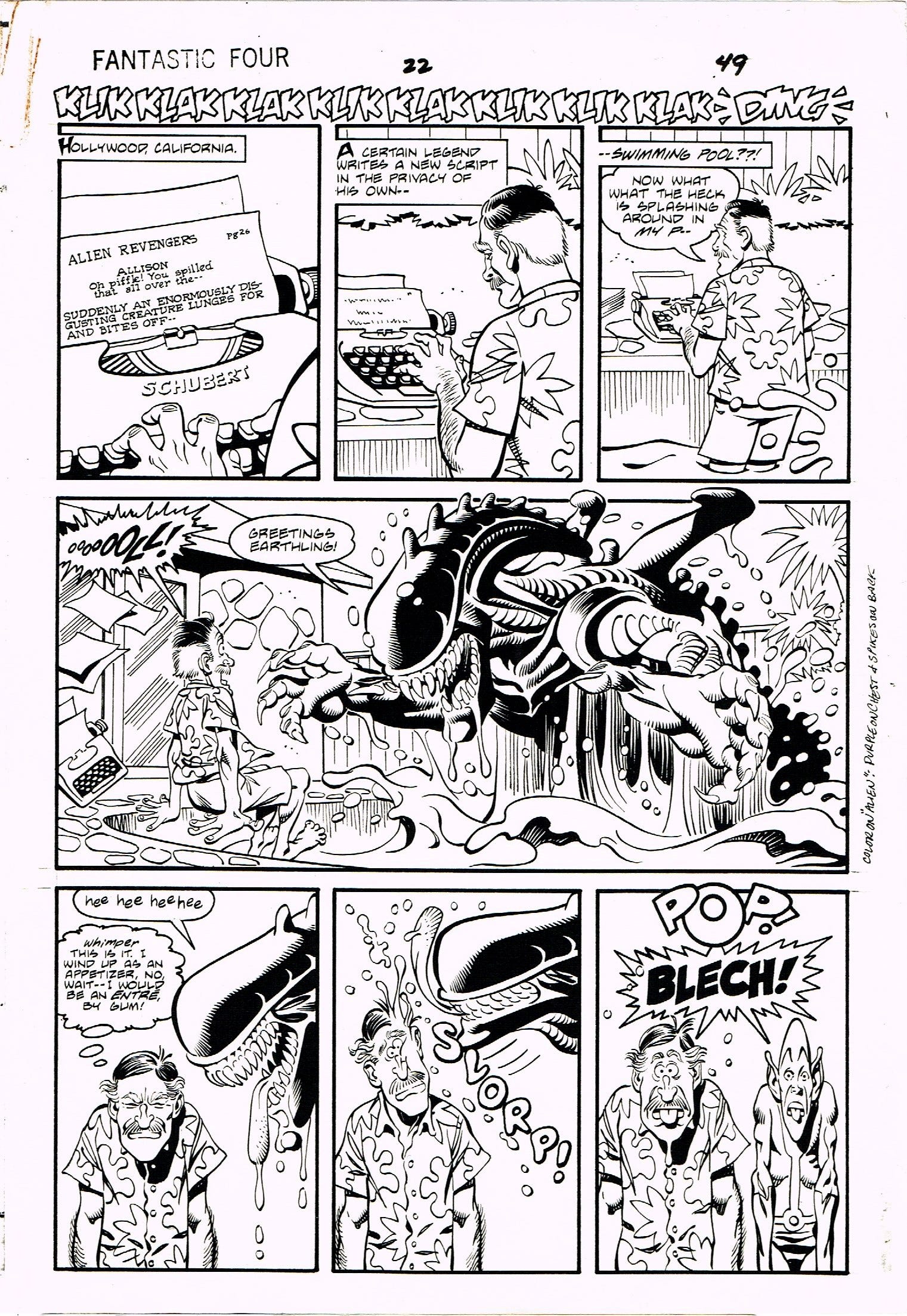
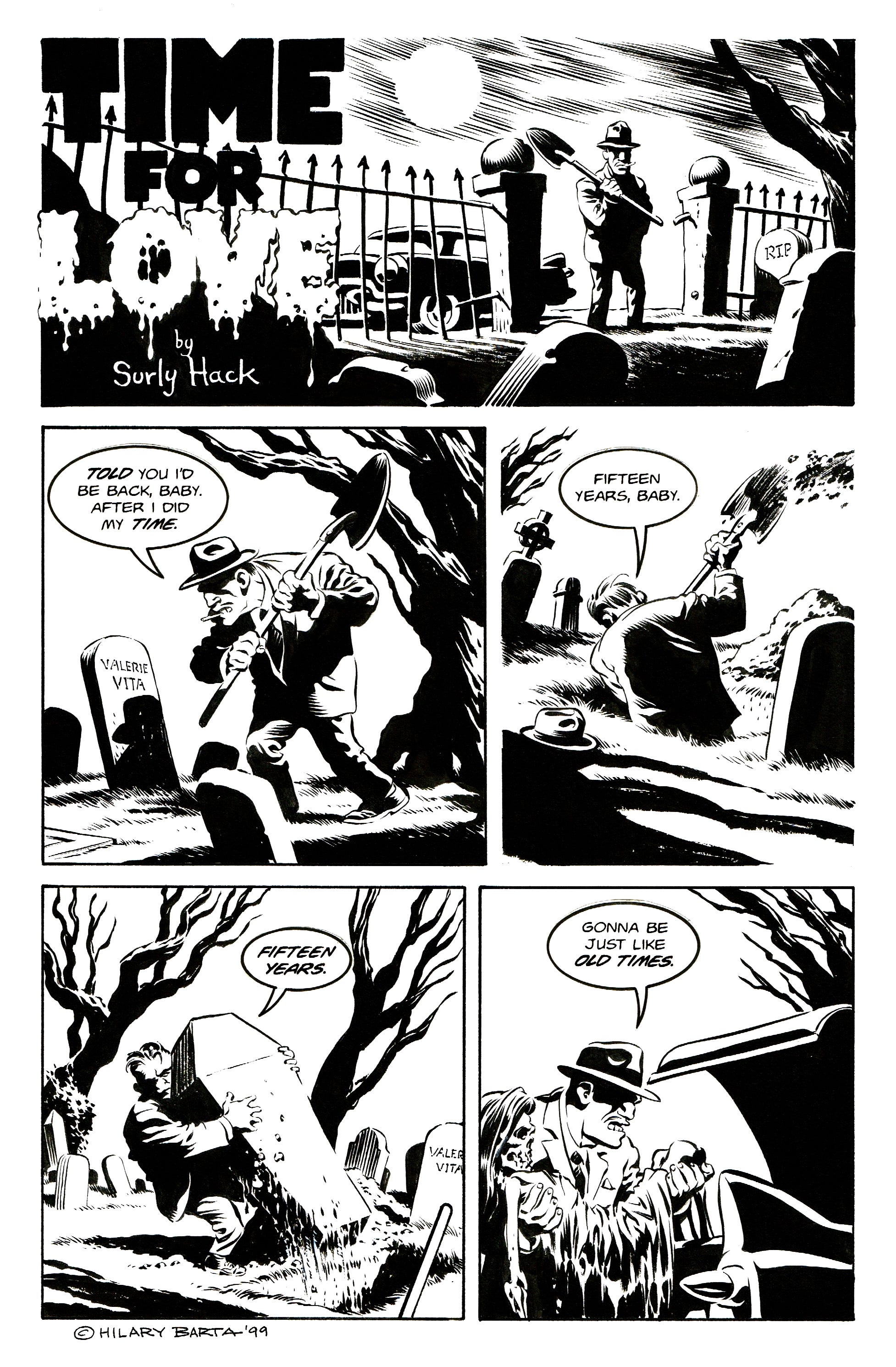
Chicago native and blackline whisperer, HILARY BARTA has a long history of working on some amazing projects with many luminaries of the comics medium. If you’ve never heard of Plastic Man or What The--?! then it’s time to go a-hunting at your local comic shop for some of the funniest and wildest comic art you’ll see.
BTP: Having grown up as a big fan of comedy, from the early days of silent films to comedy albums, sketch comedy and comedic magazines, when I think of comedy in comic books, I think of you and Kyle Baker. Even your name, at least to me, has a certain comedic flair to it. Has comedy been a large part of your life? Where did it start for you?
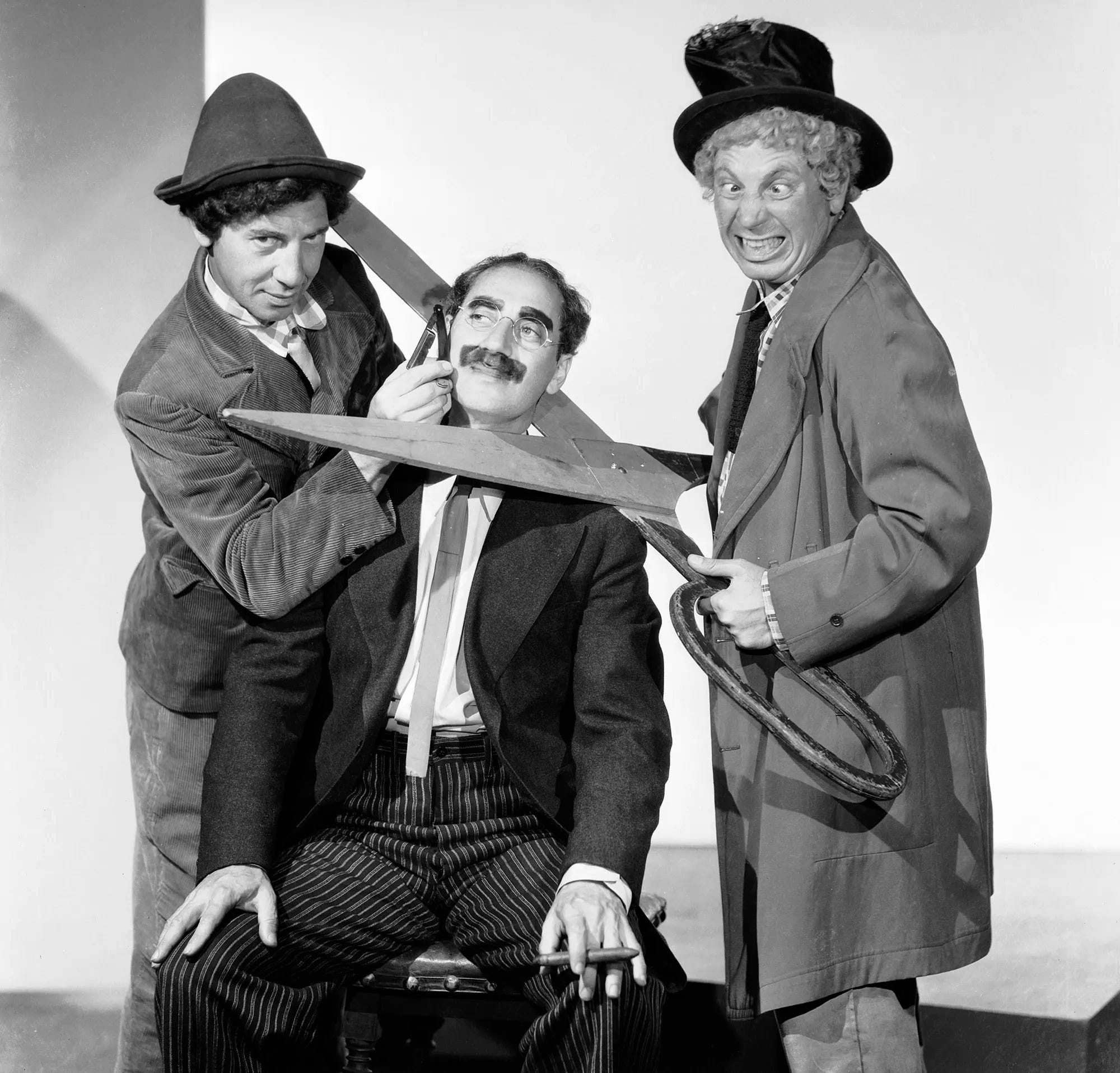
BARTA: I think it was. I suppose I absorbed all of the humor in pop culture around in the 1960s. I was lucky to be exposed to silent comedians like Keaton and Chaplin when I was young. Through broadcast television I also found W.C. Fields and the great comedy teams, with the Marx Brothers at the top of the list. Local television was full of old tv shows and movies. In fact, growing up I probably watched more older shows than new ones. Though current shows like the Dick Van Dyke Show were also wonderful. And the old-timers that started back in vaudeville days were still active, and appeared on television variety shows. I also loved the newspaper strips, which in those days were far from their golden age but were still worth reading.
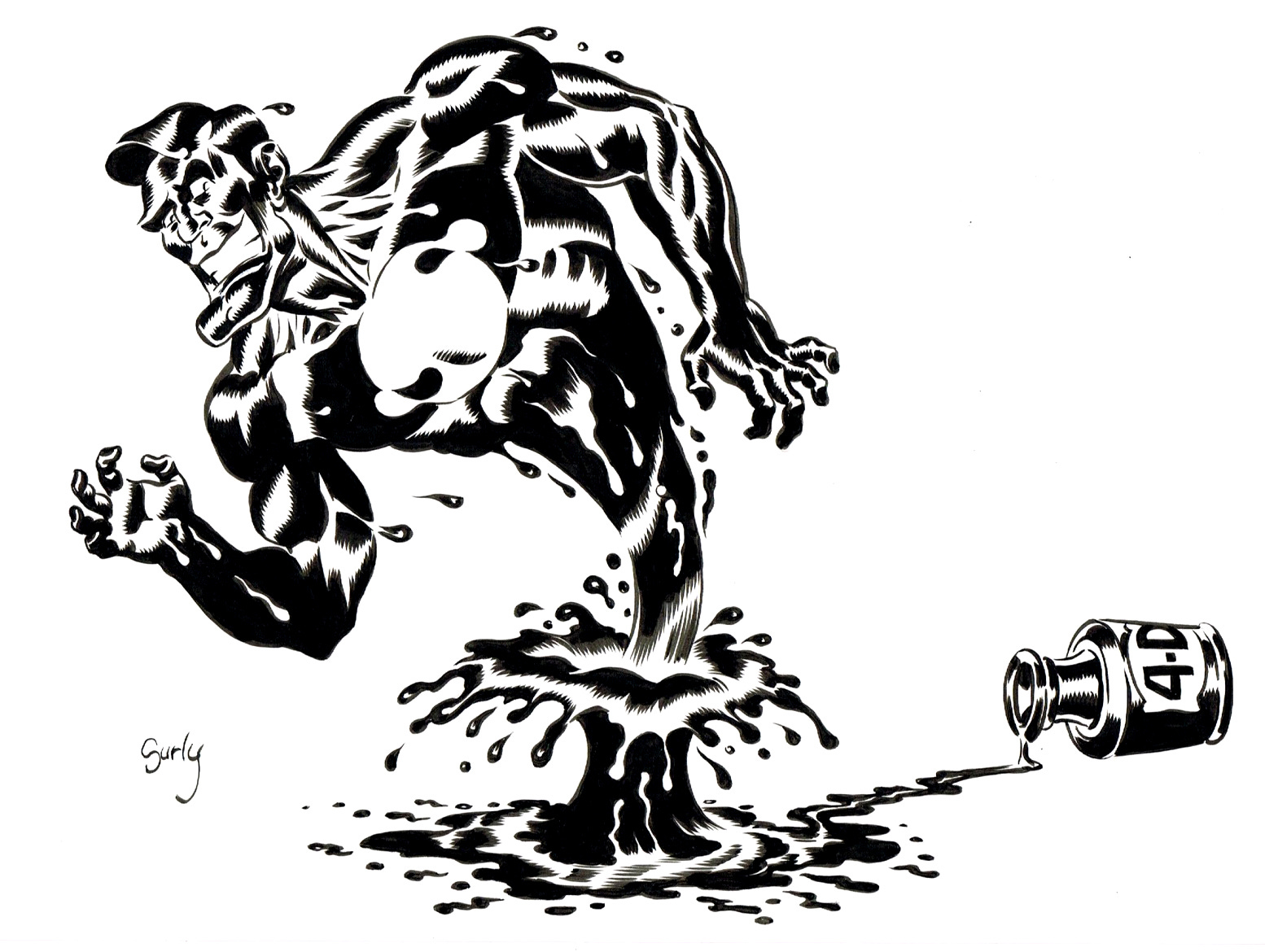
By the way, Kyle drew the one Splash Brannigan story I couldn’t, and he did a brilliant job.
Prefer a downloadable PDF? Get it here.
BTP: Though perhaps a decade a part we have very similar comedy roots. When did you discover comic books and when did you see that as a potential vocation?
BARTA: I think my older brothers might have brought home a few comic books. I know we had an early 1960s issue of the Hulk. I didn’t start to collect comics until much later. But we’d go to the newsstand to buy the Sunday paper, and my dad would give me a quarter and I bought a few Marvel annuals and specials. Those quarter books seemed like a better deal. And many years later I found a M.M.M.S. pad, so I know that at one point I cut out a coupon from a comic and mailed it in, becoming a member of the Merry Marvel Marching Society.
In high school I was buying comics from other kids who were selling their collections—I was just starting! In school I hung out in the art department, and there I found an issue of a magazine that featured European comic book art as well as Will Eisner’s The Spirit. That was eye-opening, and probably the first time I considered that comics might be a career. And when I started attending the Chicago Comicon and meeting other artists I took my first steps on that path.
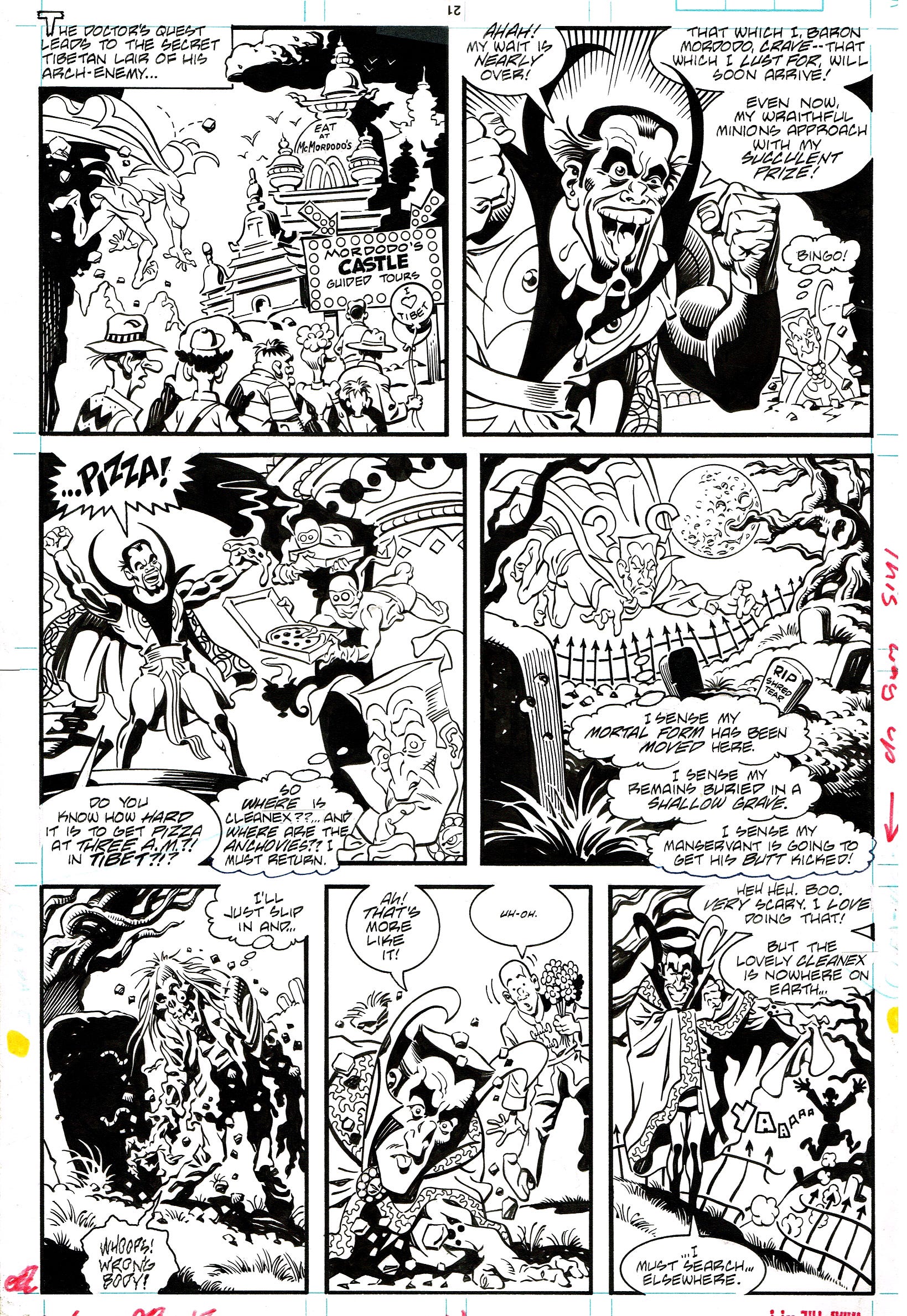
BTP: Timing is one of those things in comics that creators struggle to control. Comedic timing is essential to deliver a gag. What lessons have you learned and from whom did you learn them when it came to panel-to-panel comedy?
BARTA: One of the greatest gifts of comedy timing was a collection of paperback reprints of the Kurtzman MAD comics. And even though the pages were cut up to fit the smaller book format, the sheer brilliance of Kurtzman’s writing and layouts and the cartooning of his collaborators was seared into my brain.
BTP: I remember those books. I think that might have been the first time I “borrowed” them from our local drugstore. Are there any contemporary books or creatives whose work make you laugh out loud? The only one for me I can think of was Cam Kennedy’s LOBO: UNAMERICAN GLADIATORS.
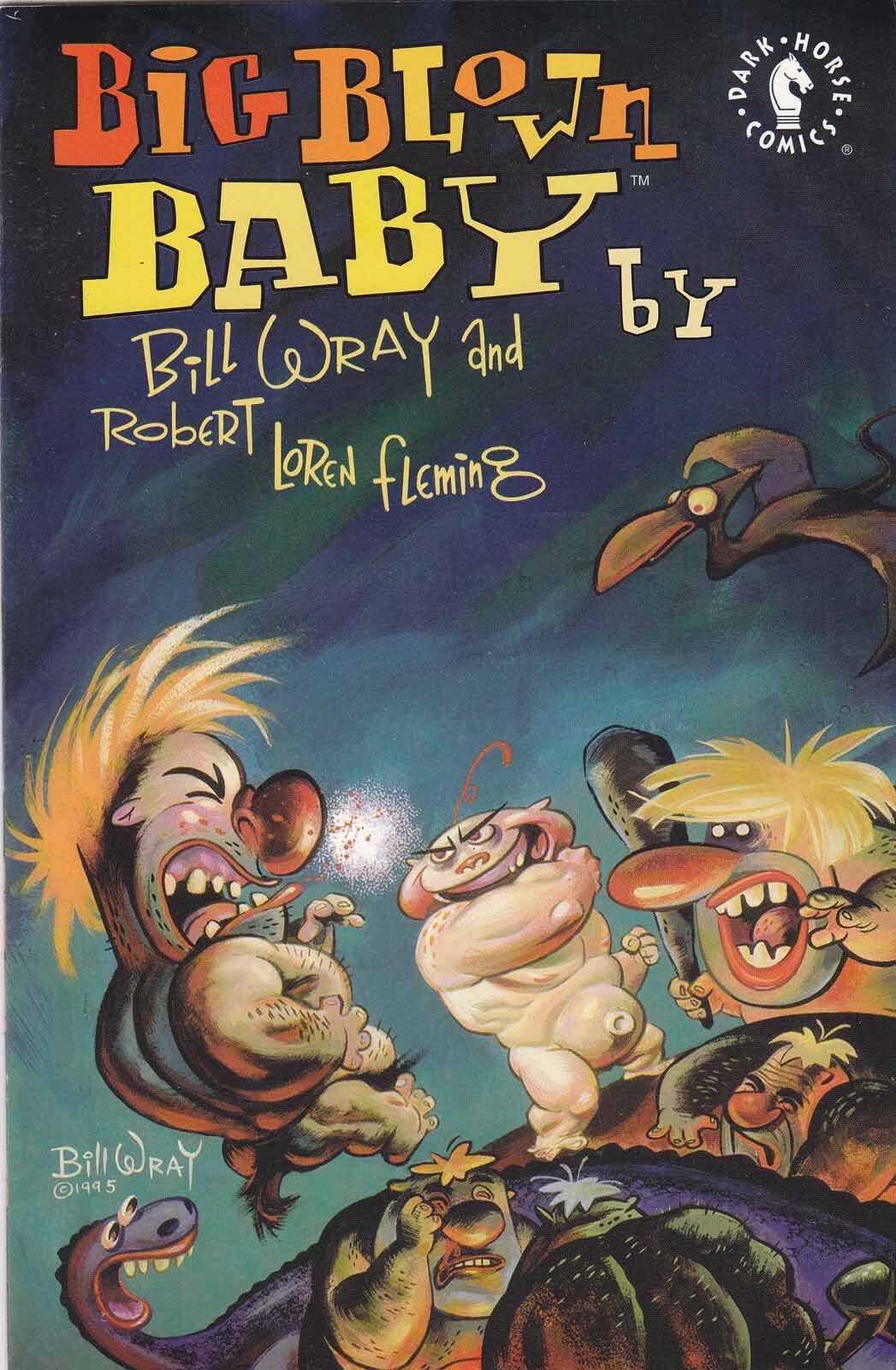
BARTA: There are many comics that I found and still find funny. I’m not an easy laugh, but I laughed out loud at BIG BLOWN BABY by Bill Wray. Over the years I worked with Bill on a number of stories. His sense of humor is a lot edgier than my own, and he always pushed me further out…
BTP: Outside of comics what was your primary source of comedic influence?
BARTA: I’m not sure where it came from, but I was always wanted to make people laugh. I’m not a comedian or a teller of jokes. My own humor is reactive, situational. I think that came naturally, that it was in my DNA. And I suspect that when I was young I was a very annoying smart aleck.
BTP: I’ve had a similar feeling since I was younger. The desire to make people laugh was always there, and my skills to do it seemed a large part of my character. Even to this day, I can’t help myself. If comics hadn’t been a career-choice what other profession would you have enjoyed doing?
BARTA: It was either comics or film. Like every other idiot film buff, I thought I wanted to direct movies! I took a few film classes locally, and even worked briefly as a PA and grip on a few commercials and industrials. But it was a lot easier to get my first pro work in comics—a two page inking tryout from Al Milgrom at Marvel. After that it wasn’t too long before I was getting steady inking work.
BTP: I know you’re a film buff, and especially noir. I’ve come across posts from you that have awakened my senses to films I’d never heard of or seen, being a self-proclaimed cinephile. What is it about noir that compels you? Is it the story, the lighting, or the whole package? Where did that love come from?
BARTA: I’m sure it also began growing up watching old movies on television. Besides my comedic heroes, there was Cagney and Bogart, and the gangster and crime films. At some point I started reading about film, and then it was down the cinema rabbit hole.
It isn’t just film noir that I love, but film itself, and my first love was earlier films from the Hollywood studios. The concise if formulaic storytelling, the brilliant character acting and, especially for a visual artist, the production design and cinematography. The lighting in 1940s films noir built on 1930’s expressionism and pushed it to a new level.
BTP: A lot of the stylings in those films seems to flow naturally into your comics as well. Were there any seminal films for you that really awakened your senses? What’s one movie you’ve rewatched that has always been your go-to and why do think that is?
BARTA: I could cite many films that I’ll watch over and over. But which one to talk about? Hitchcock is a director famous for storyboarding his films. In fact, you can almost see that approach in the films, as if they are moving, living storyboards. PSYCHO is a film I used to go see every time it played in a theatre. And there’s something about the way Hitchcock follows his characters that evokes the feeling I get in certain vivid dreams. There are visual sequences like that in Psycho, and also in VERTIGO, where James Stewart is following Kim Novak. Very dreamlike.
BTP: Living in Chicago, a very storied town for crime and a major presence in terms of architecture, it’s one of the three big cities that really put a stake in the ground in America. In what ways has the city influenced you as a creative? How have those influences changed over time as you’ve matured and seen the city grow?
BARTA: Hmmm…I’m sure that through reading newspaper articles and watching local news programs detailing the endemic corruption of the City of Chicago tempered some of the rosy outlook I absorbed from all those Hollywood happy endings. But I think I’m a bit like Bogart’s screen persona of the 40s: a surface cynic who hides a more romantic interior.
BTP: That’s a pretty great description, actually. Were there any friends, family or relatives that you point to that helped shape your creative life? In what way did they influence you?
BARTA: Early on my mom was a very positive influence, encouraging me and my siblings to be creative. I think she came from the “draw outside the lines” school of creativity. Both of my parents encouraged us learn music, to read, and took us to the Art Institute.
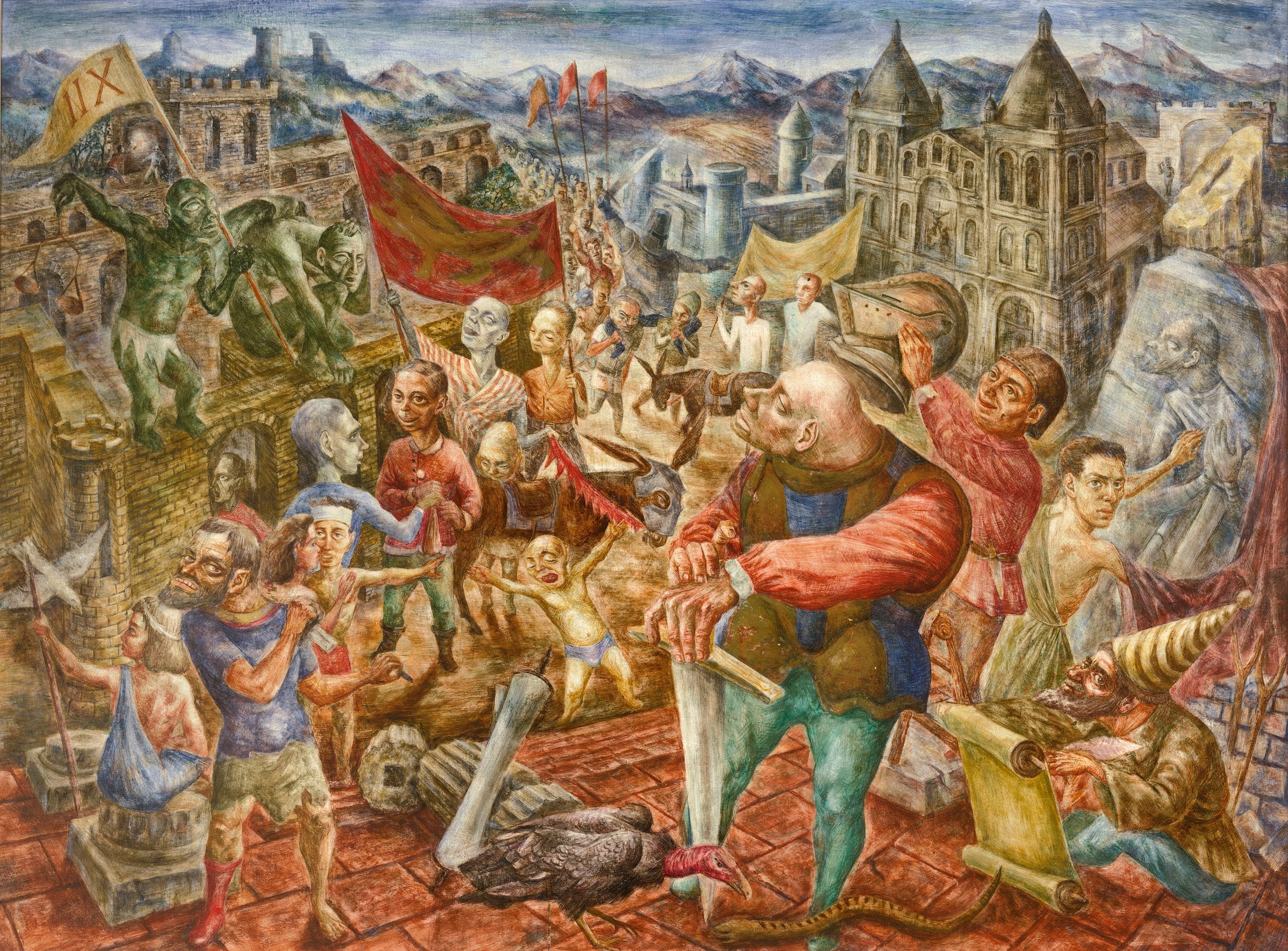
Painter Leo Segedin lived two doors down from us. When I would babysit for his sons I would walk around the house and look at his art. It was inspiring to be that close to the paintings of such a master artist.
Another person who was very encouraging was Gloria Wesburd, another artist who was also a neighbor and family friend. She was warm and supportive—an earth mother. A wonderful person.
BTP: Having a solid background as an inker in comics, would say this has been your bread-and-butter over the years?
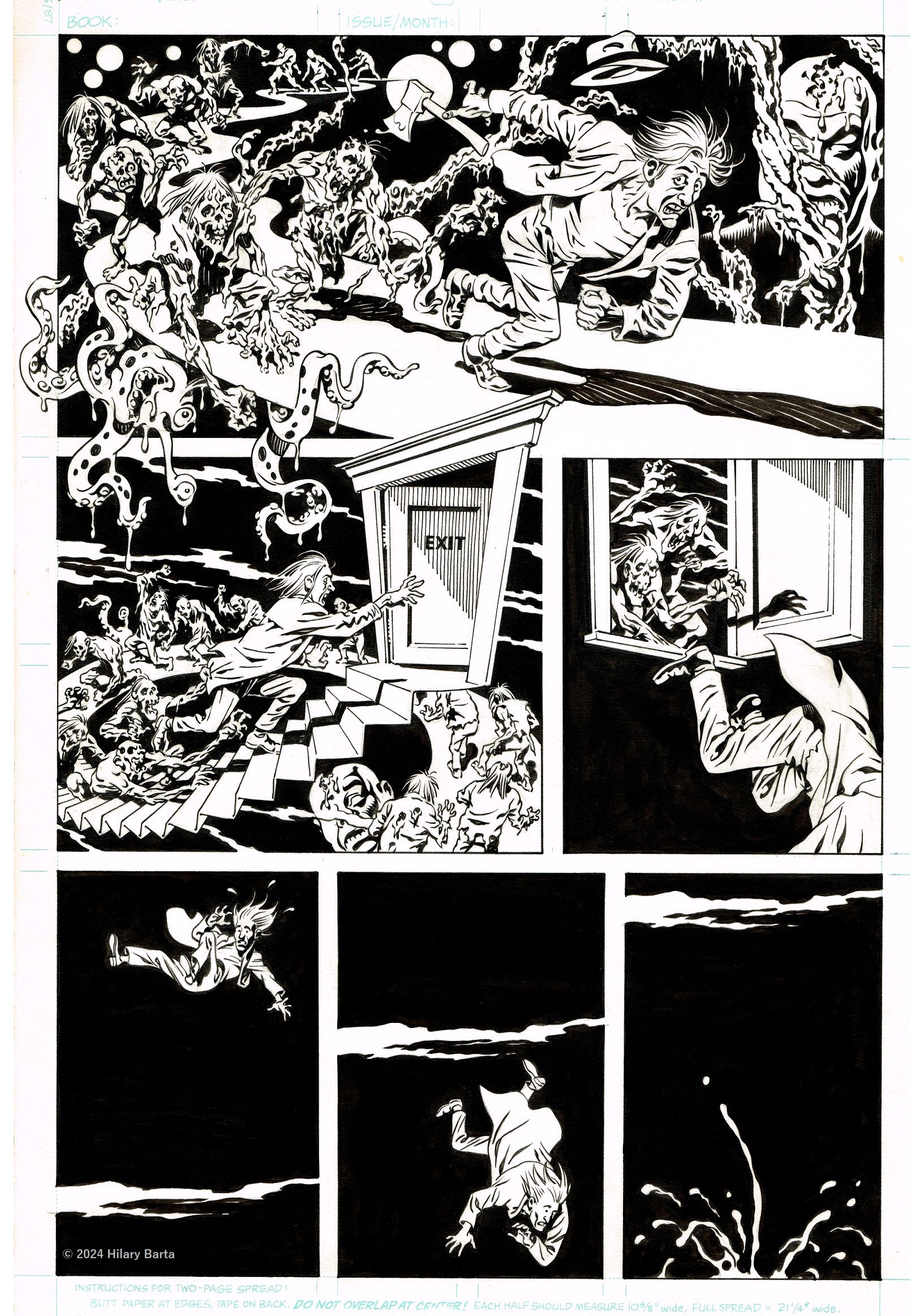
BARTA: It was for many years. That’s how I broke in to the biz, as an inker. But eventually it was burning me out, and I sought more creative work as an artist and a writer, work that allowed me to use other parts of my brain.
BTP: Have you mostly written for yourself or are there others you’ve written for? What’s been your favorite collaborations and why?
BARTA: I think I’m much more comfortable drawing than writing. But writing the stories I drew seemed like a natural progression. Writing for others is a bit tougher, because you have to learn to let go.
But Drawing is a lot of work, and at one point I made a concerted effort to do more writing for other artists. I thought I might make a little more money as a writer. I wrote a series of short stories, and was a ghost writer on a mini-series. But it never led to full-time work.
In recent years I started a series of stories I called “Flip the Script”, where I would draw first and then bring in a writer to script. I published the strips online on my website. It was a fun project.
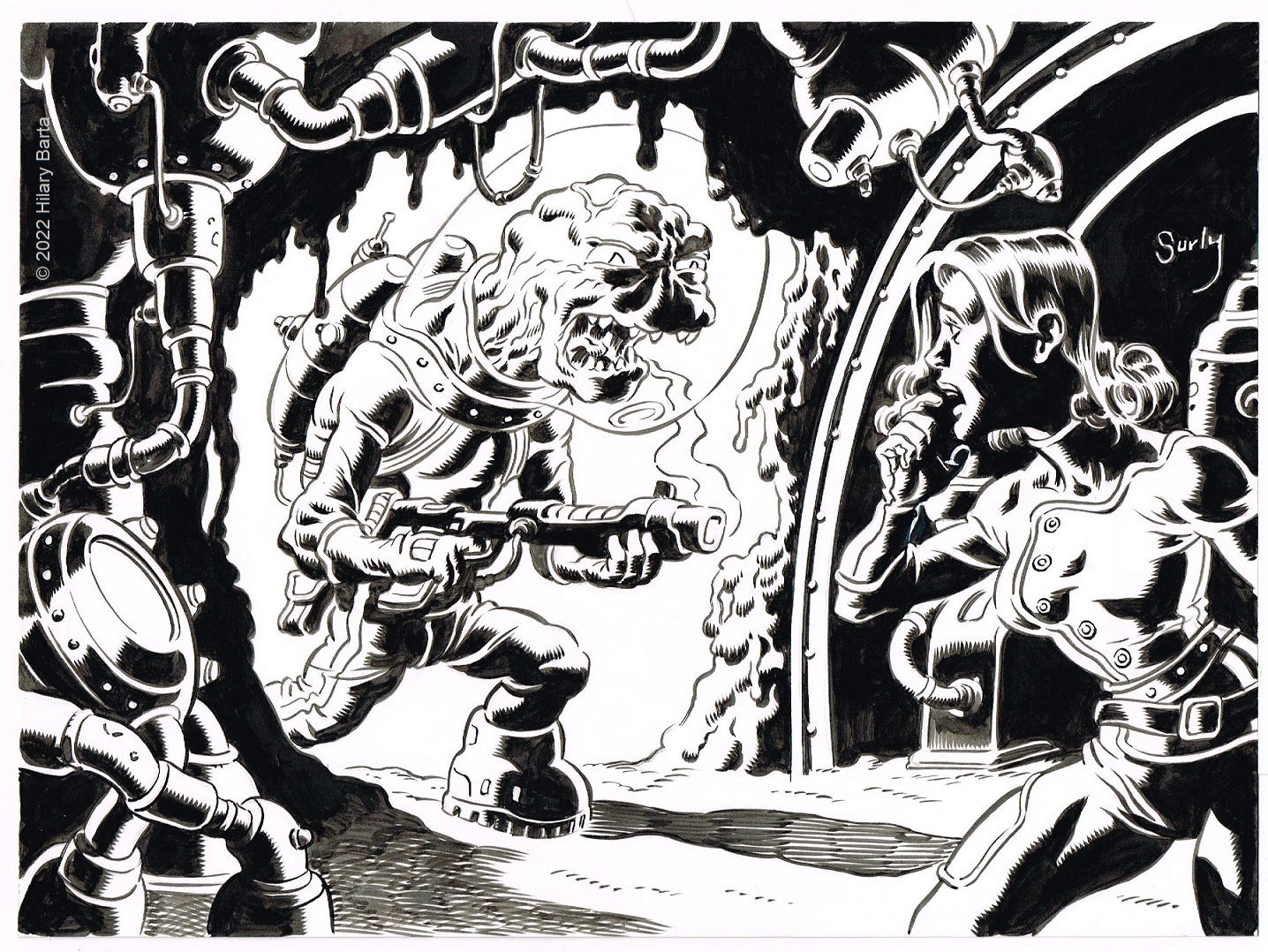
BTP: Comedy, as many will say is hard, but in comics, I can’t imagine it being any easier making a living from it. How much has comedy been a positive force in getting work for you? How much of it is self-made?
BARTA: I imagine it’s all about timing. If I had been working in earlier decades, there would have been greater opportunities for creating funny comics. For me it was double-edged sword. With Plastic Man and What The--?!, there was work. When that was over, I was the “cartoony guy”, and the publishers generally wanted more realistic art. It was ironic that during this time manga influenced artists were hired to draw super-hero adventure books, but editors saw my art as too cartoony.
Looking back, it was probably all for the best, because I’m not that interested in “serious” action adventure.
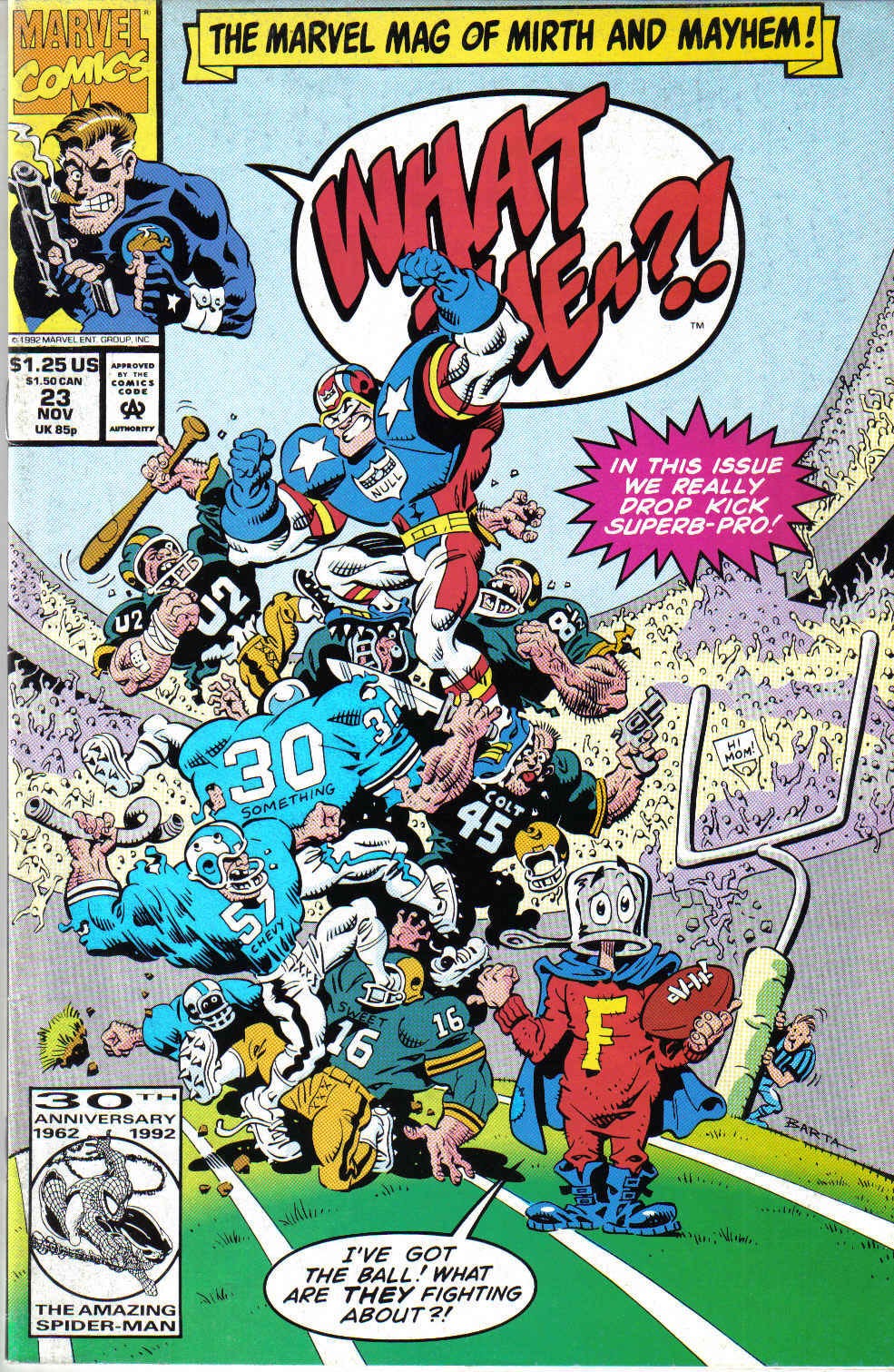
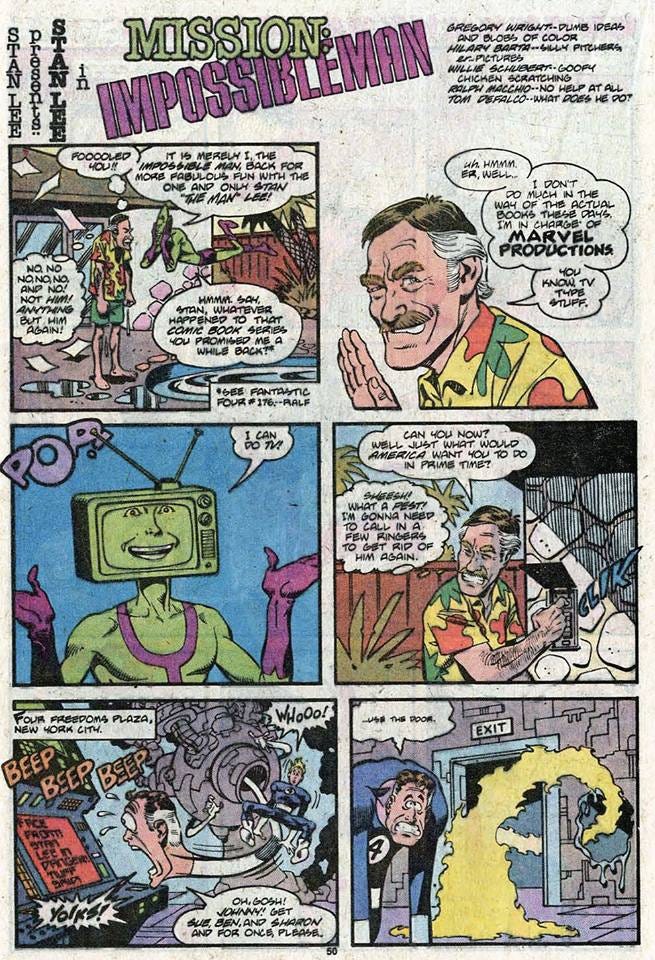
BTP: Sometimes labels are tough to get around. I’ve always been considered a “classic” comic book artist. Which, felt more like a scarlet letter than anything. How hard was it shouldering all that responsibility on the monthly title WHAT THE--?!? Were there people who helped you outside of editorial to keep the funny on point?
BARTA: I have to credit editor Carl Potts for letting me play in WHAT THE--?!. I was a man on a mission, in that I wanted to ridicule and parody the PUNISHER and later WOLVERINE, two characters that represented a violent trend in Marvel characters. Carl was great, and I think he had faith in me. I would submit a plot synopsis, get approval, and go straight to pencils. It was wonderful. At least it was until another editor took over. Nothing good lasts forever.
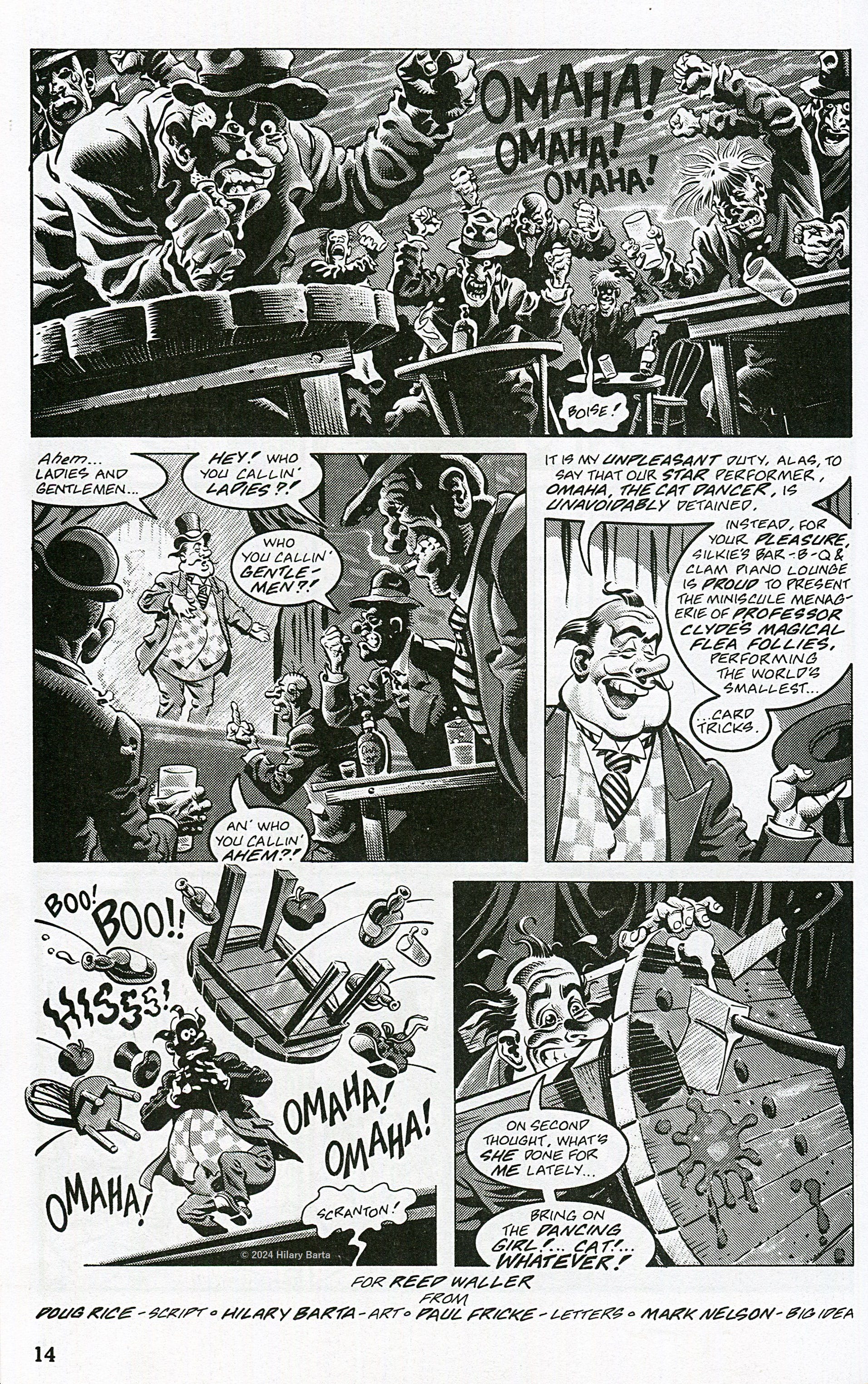
BTP: Had you ever tried getting work at MAD Magazine? I still have my rejection letter somewhere.
BARTA: I did one gag-strip for them. It’s a long story.
BTP: What? We love long stories! Please...do tell. Was this before they were purchased? Did it ever see print?
BARTA: Okay, if you insist. As you might know, back then MAD had 3 gatekeepers—I mean, editors/art directors. Two out of the three had to like your work. I only had one guy in my corner, and he offered me their tryout story, which they gave to all potential MAD artists. It wouldn’t be printed, but I’d be paid to do it. So a good deal. The story was heavy on celebrity caricatures, and I assume they were looking for the “next” Mort Drucker. I was told that if it didn’t get approved by the big three, I’d never be offered an assignment for publication. Since I’m not a caricaturist, I figured why bother?
Then, several years later, the same guy gave me a two-pager to draw. I turned it in, and yes, it’s in print. But it lead to no other MAD jobs. I assume the other two were still not impressed. The weirdest thing about this was when I turned in the pencils, I was told to not add so many background gags. In MAD!
BTP: I once pitched a comedic graphic novel series to a publisher who told me it was too long. He said, “Comedy is brevity,” which I took to heart. Do you think it’s possible to do a longer work of comedic fiction than simple short stories? It would be a matter of pacing, wouldn’t it?
BARTA: I do tend to think in short stories. The short story works more as a joke, with the ending being the punchline. To sustain a longer work requires giving the characters a bit more depth, as well as more drama to the plot.
BTP: You could I suppose break up shorter stories into a longer over-arching theme. I remember you did a back-up story for Rick Remender’s FEAR AGENT with artist Paul Renaud. It was really good, and its surprising serious tone was a great match for the art. How often do you get to exercise that end of the spectrum, and do you enjoy writing for others?
BARTA: That was the first of a several FEAR AGENT shorts I wrote, and my favorite. We dedicated it to Al Williamson, who was in ill health. I was told that Al saw the story and loved it.
As I mentioned earlier, writing for others is tough, because you have to learn to let go, and I can be a bit of a control freak. When I write, I also “see” the story. And no other artist is going to draw it the way I see it. But I have written for some very talented artists and friends and been quite pleased with the results, including Mark Nelson, Ronn Sutton, and Steve Mannion.
BTP: As it is, staying in comics and getting paid a reasonable wage is a challenge, how have you managed to stay the course while many of your own peers and contemporaries have retired or gone on to do other things? Have you had to take on other work outside of comics?
BARTA: I suppose it’s because I’ve lived very frugally. I learned a lesson or two from my parents who lived through the great depression. I’ve done very little work outside comics. I hate art directors or anyone else telling me what to do. In comics you get to put your name on your work and, if you fight for it, sometimes you get to tell the story that you want to tell.
BTP: I think as a freelancer, one has to make those concessions to live “without”. Moreso if you work in comics. It’s not a bad thing for sure. You learn to appreciate more experiences than things, I believe. What did your parents think of your career as a comic creator? Were they supportive?
BARTA: Yes, but I think my dad had worries about me making a living as an artist. Years later painter Leo Segedin—who was also a neighbor and family friend--told me that my dad asked him if he should insist I go to college and get a degree, perhaps as a fall back plan. Leo asked my dad if I ever listened to his advice, and my dad realized that I was going to do what I wanted. When I was young, my parents—and especially my dad--tried to develop an appreciation of “high” culture in my siblings and me. If my own interest and career in pop culture was a disappointment, he never said so.
BTP: Like Bernie Wrightson’s FRANKENSTEIN, is there a project that you have, something that you would consider your legacy, that you’ve done or have yet to do?
BARTA: I do have a concept that I pitched years ago that was rejected. Maybe I’ll get back to it someday. And I have several others that have never achieved lift-off. I think it’s tough for me if I don’t have deadline. I have nothing but admiration for the cartoonists who are more disciplined, dedicated, or just plain driven to do their own projects. Okay, maybe I have a little envy, too.
BTP: What if you put it in existential terms? That you only have a finite amount of time on this planet and then work backwards from there. Or is it more about that outside pressure of an editor or obligation that needs to be fulfilled?
BARTA: Wait—are you saying I’M GOING TO DIE?!? OMIGOD.
Yeah, it’s the pressure of a deadline that helps to get me off the couch. Big projects are a lot of work over a long period of time.
I still do a lot of drawing just for myself, and I still draw comics when I think I’ll enjoy them, when the subject matter is in in my wheelhouse. But at this point I think my career drive just isn’t that strong. Maybe it never was. But I still have stories I want to tell.
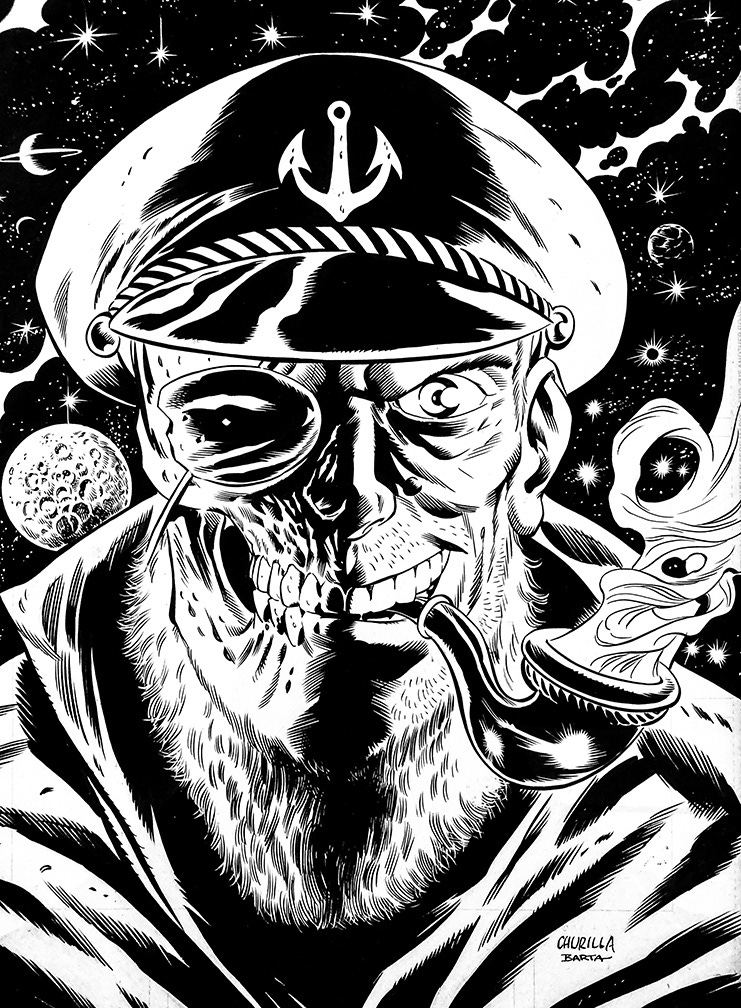
BTP: One of my prized possessions is a BRIAN CHURILLA piece you inked of, THE ANCHOR, a book that PHIL HESTER wrote. It’s a great reminder that keeps me honest about my own craftsmanship.
BARTA: Wow. Thanks for the compliment! It means a lot coming from such a talented artist. I saw Brian on a recent trip to Portland, and it was great catching up, and learning that he’s still drawing comics.
BTP: Thanks for taking the time, Hilary. We really appreciate you sharing your story with us. Where else can people see your work, order your wares, or hire you for your exemplary services?
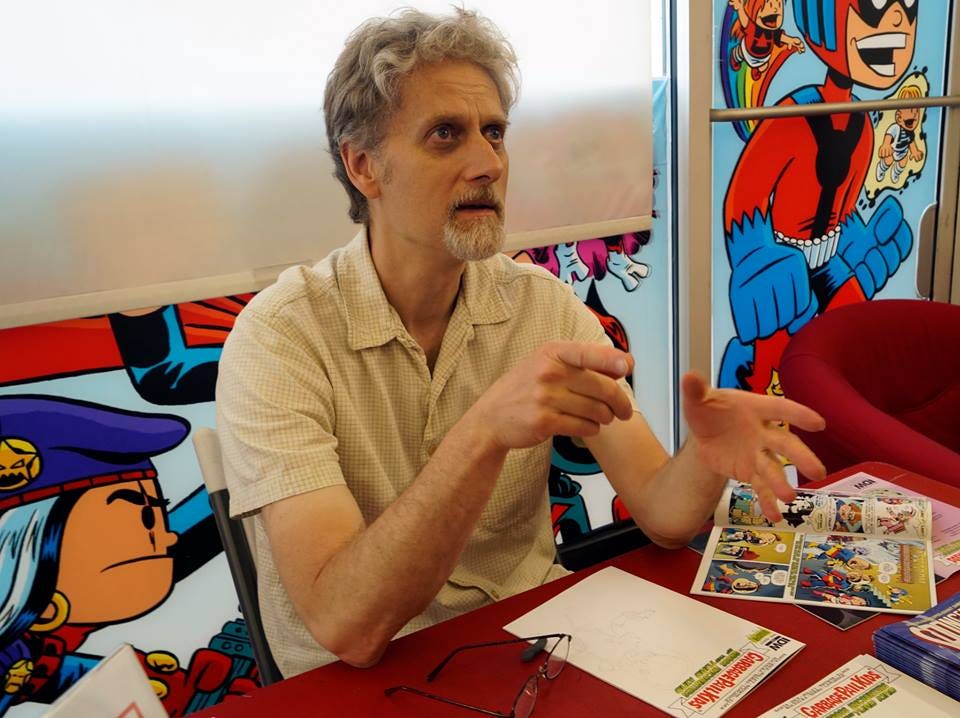
BARTA: My pleasure, Shane. I’m on the usual internet platforms like Facebook, Twitter, and Instagram, and others. I also have a website where I have a blog and sell my art, and a page on Patreon. On Patreon I showcase my art process, showing my drawings step-by-step, from sketch to pencils to finished ink.
WEBSITE: https://www.hilarybarta.com/
PATREON: https://www.patreon.com/hilarybarta