

Long Story Short ★ SCOTT CHANTLER
How did this CREATIVE build an historically renowned COMICS CAREER?

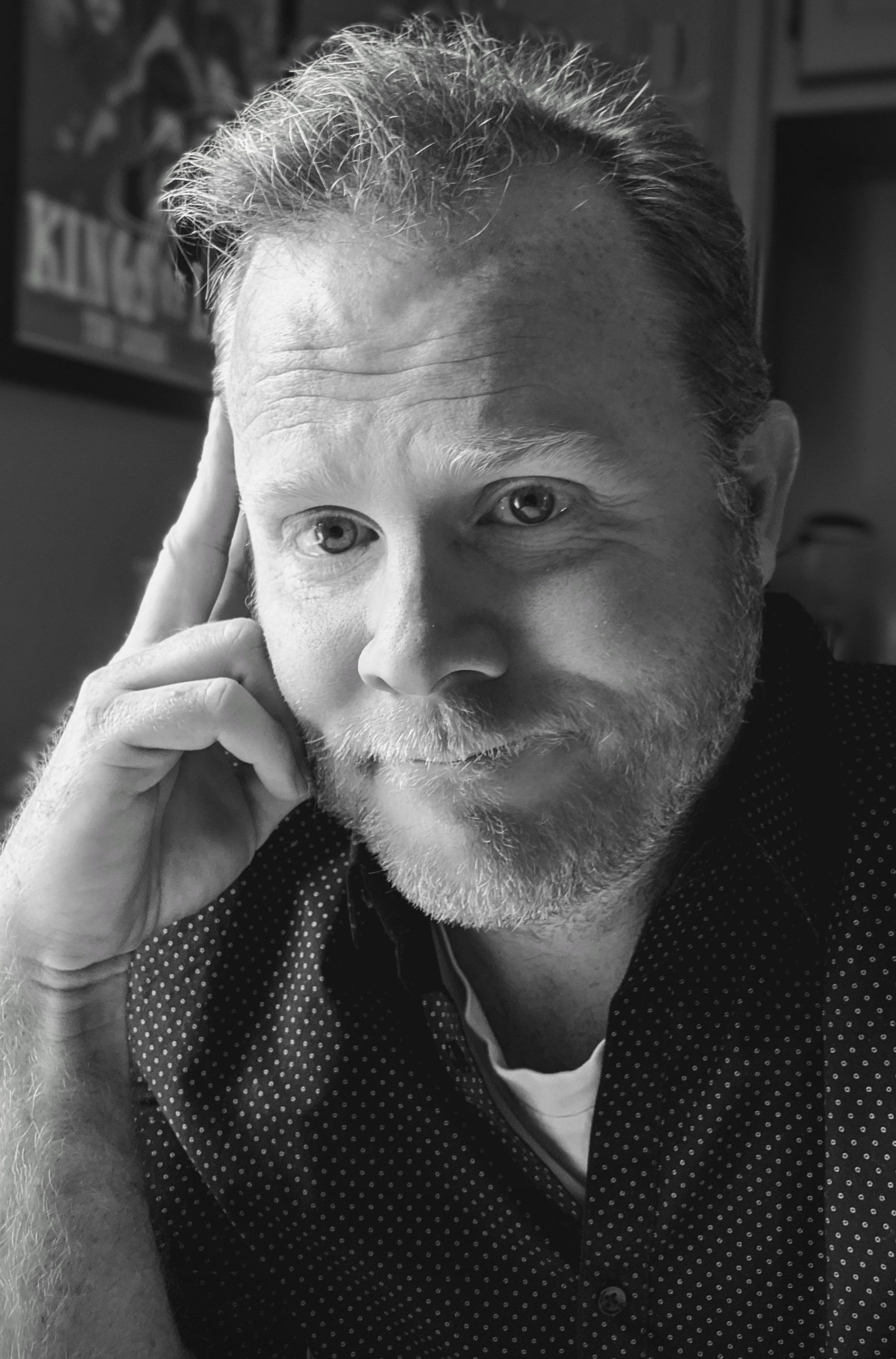
Hailing from Canada, comics creator SCOTT CHANTLER found his calling and hasn’t let up off the gas since. Join us as we explore what it takes to become a comic artist whose career has taken him from historical graphic novels to fantastical worlds beyond.
BTP: Having grown up across the St. Lawrence from Cornwall, Ontario, I’ve literally felt pretty close to much of Canadian culture. How has growing up in Deep River, Ontario shaped your outlook on life, comics, and specifically storytelling?
CHANTLER: I don’t remember Deep River all that well…we moved from there when I was four to southwestern Ontario, where I’ve lived since then. I have a complicated relationship with small towns, but I grew up in them and am now back in one. I like their quirkiness, and that you can get to know every bit of the place. I’m working (slowly) on a personal project that rolls a lot of my experiences in small Canadian towns into one story. It’s not a memoir but feels like one sometimes.
Canada, in general, punches above its weight in the animation and cartooning worlds. I think it’s partly the long winters…lots of time to work on your craft! But I think part of it is also the sense of ironic detachment that comes with living next to the U.S. We’re immersed in their culture but also separate from it. There’s an outsider quality to a lot of Canadian art, which I guess is probably true of my work as well.

Prefer a downloadable PDF? Get it here.
BTP: My first graphic novel NORTH COUNTRY was about growing up in a small milltown. I’ve always had a fascination with towns and how people and problems can be universal no matter the scale. When you designate a “PERSONAL PROJECT” does that mean it’s separate from what you’ve pitched to publishers? Aren’t they all personal in some way?
CHANTLER: They are all personal. But this one particularly so. And it doesn’t have a publisher lined up yet, so I’m mostly tinkering away with it on my own time.
BTP: When you set out to pursue comics as a career what difficulties did you have and how did you overcome them? Were there people who helped along the way?
CHANTLER: I think my biggest problem was timing. When I was in my early twenties and wanting to get some kind of career going, it was the early ‘90s…which, you may recall, was when the comic book market crashed because the speculator boom ended, distribution collapsed, Marvel filed for bankruptcy, etc. For a while it just seemed like comics were a dying form, and a lot of creators in my generation just went and did something else. For me, that was commercial illustration.
Eventually, of course, the graphic novel boom of the early 2000s started happening. So by the time I was 30, suddenly there seemed to opportunities everywhere. I rode that initial wave of webcomics creators who turned their strips into book deals. My timing turned out to be good after all…I just needed to wait a bit.
I wouldn’t say I’ve ever found the comics world particularly helpful or welcoming, but thankfully there were exceptions: J. Torres basically “discovered” me through my webcomic and pitched me as the artist on a graphic novel he was writing. Jamie S. Rich, then the editor-in-chief at Oni Press, gave me that first professional gig. And Jennifer Lum, former graphic designer at McClelland & Stewart, facilitated my crossover to the book market when she convinced her bosses to publish Two Generals.
BTP: Crikey, those are some good people! What I find interesting is that LUCK is the one thing that is outside our circle of influence when it comes to our pursuits. And TIMING is something I hadn’t really thought about as much. But you’re right, there is a lot to that. Would you say you were self-taught in terms of STORYTELLING? Why did you not pursue STORYBOARDING instead of illustration?
CHANTLER: I majored in Film Studies at university, and also have a college diploma in Computer Animation, so I definitely have plenty of education/training when it comes to visual storytelling. I’d have loved to have gotten into storyboarding, but there always seemed to be a glut of qualified people vying for those gigs. And I also didn’t want to have to move to Los Angeles or Toronto. Illustration seemed like a thing you could do on a freelance basis from about anywhere. And – at least at the time –there seemed to be a lower barrier to entry.
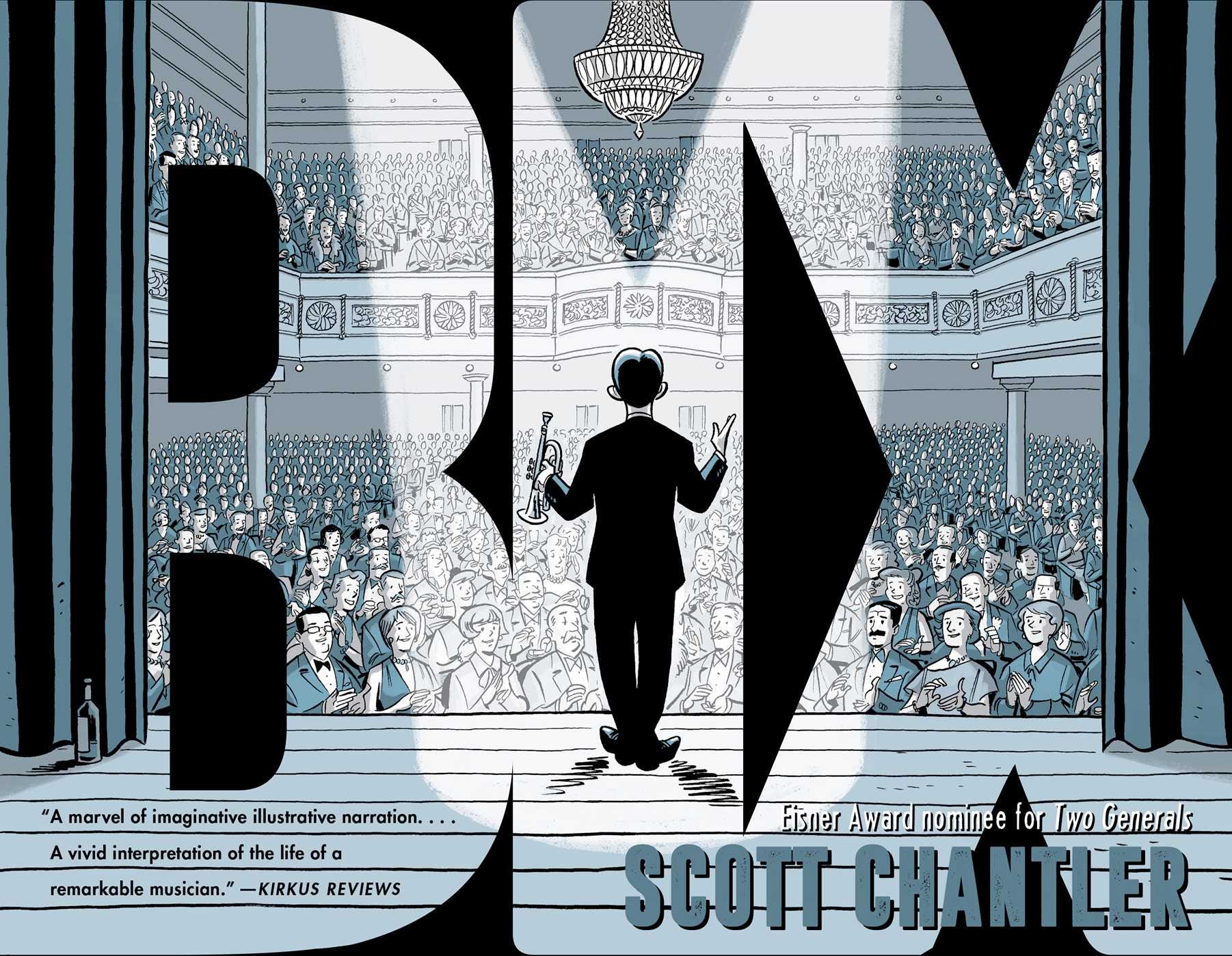
BTP: Historical comics are tough enough as they involve a lot of research, whether you’re writing or drawing, so what about this genre of storytelling drew you in that made you want to do even more work?
CHANTLER: Curiosity, I guess? It is a lot of work, but I like learning new things. And sometimes the only way to convince yourself to do that research is to roll it into your job. There’s an old saying that if you want to learn everything there is to know about a given topic, write a book about it. You bet your ass.
BTP: Yeah, I can see that. I started a book project years ago about CONCEPT ART, but at some point, I ended up becoming a concept artist and didn’t have time to work on the book. C’est la vie! When it comes to gathering resources, what are your trusted go-tos in terms of reference? Do you end up doing a lot of reading as well?
CHANTLER: It really depends on the subject. But I’ll usually start by reading everything I can get my hands on about a subject and see where that leads me. With Two Generals, I ended up spending a lot of time in military museums and archives, handling weapons, looking at details of uniforms, or just trying to track my grandfather’s movements through the war. With Bix, it was more about things like how musicians hold their instruments, details of specific venues where he played, visiting the house he grew up in, etc. Every project has details you’re trying to recreate that are specific and lead you down unique paths.
BTP: On the flip-side, you look like you have given yourself a break to do some fantasy and YA type graphic novels as well. How much does the historical work cross-over into grounding the more imaginative stuff? Which audience is more difficult to please?
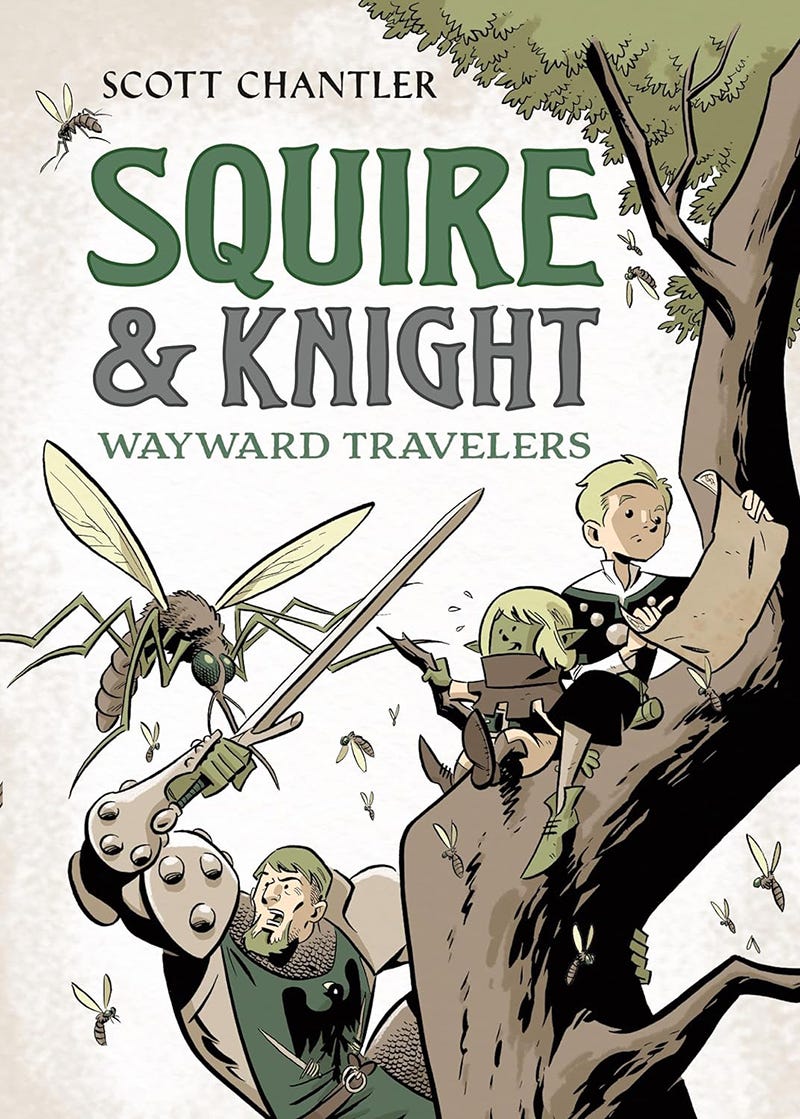
CHANTLER: I don’t like to characterize my fantasy books as somehow easier or less important than my historical work, because they’re also a lot of work and I definitely try to bring a high level of craft to them, as I do with everything. They’re faster, because you’re not doing as much research (though, as you suggest, a knowledge of history definitely helps ground fantasy stories in a more convincing world). On the other hand, you’re starting completely from scratch, story-wise, rather than having that research as a launch pad. Both are hard.
That said, children are much easier to please than historians, who are notoriously grumpy and priggish. I thought gatekeeping was bad in comics, but – generally speaking – we’ve got nothing on historians.
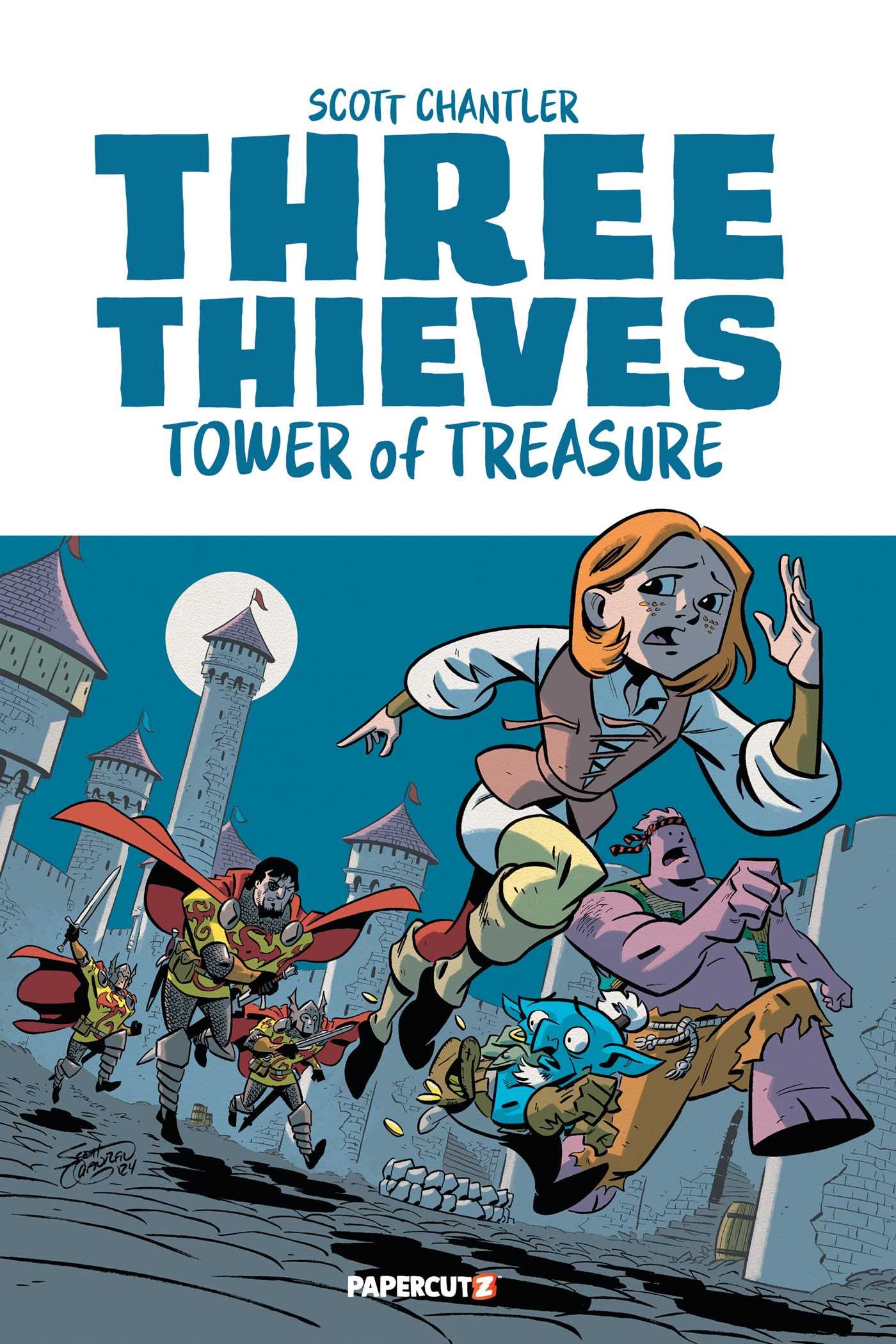
BTP: Hahaha...yes. I see a wall of tweed when I think of historians. Still, striking the right chord with your audiences can be unique. I recently read the first TOWER OF TREASURE book and love how distinct your characters are, not only in looks, but in voice and personality. How did you cultivate that skill to look so effortless? Did you have to read a lot on writing and character development, or did it just come naturally?
CHANTLER: Thanks! It’s older work, so I’m a bit self-conscious about it being back out in the world…it helps when people tell me it works. I think character and timing and “performance” are definitely among my strengths as a cartoonist, and I’m sure that my animation training helps a lot with that kind of thing.
BTP: There’s something about your work in both line and color choices that is easily digestible, whether it’s a story about war or even a unique jazz soloist like Bix Beiderbecke. How did your stripped-down style come to you and was it much of a struggle?
CHANTLER: I talked earlier about the decade I spent in the ‘90s doing commercial illustration, because there didn’t seem to be many opportunities in comics. During that time, I developed a drawing style that was simple and appealing in a sort of retro way. One of the things that was nice about the ensuing book market graphic novel era is that I could transpose that style to comics, rather than having to draw in the house style of Marvel and DC, which always seemed kind of stiff and lifeless to me.
In general, though, I think most artists naturally find their style getting simpler over time. It takes experience and skill to do less. You really learn to see and draw the forms rather than the surfaces and make every line count in a way where you ended up needing fewer of them.
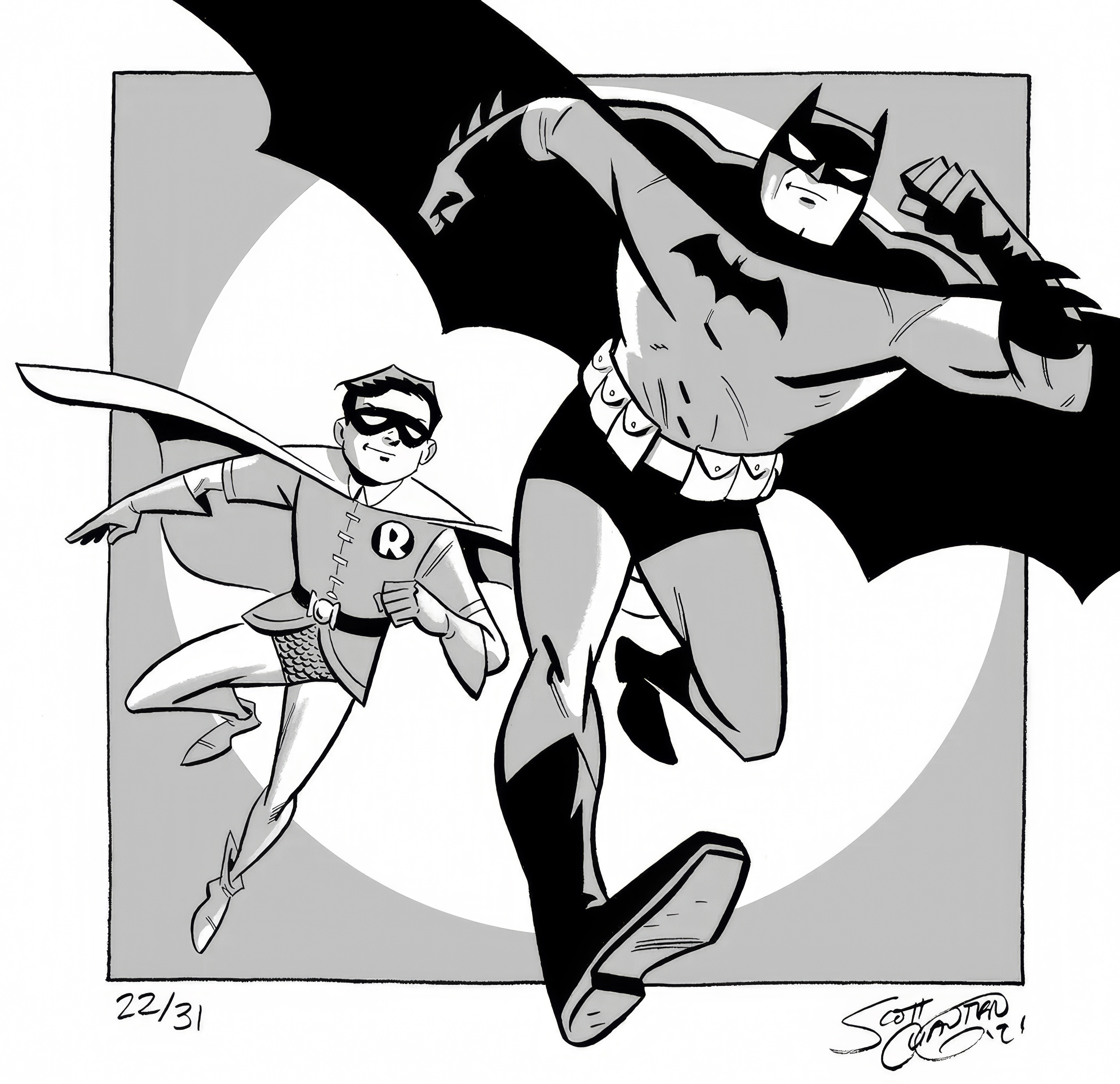
BTP: What’s interesting is, I see other Canadian artists like J. Bone, and Darwyn Cooke, who had worked in some capacity with Bruce Timm that also had this cool retro style from their work on the original Batman Animated series. I guess I had wrongly assumed that everyone was influencing each other. But still, it’s hard to doubt the economy of line to put a story over whether historical, fantasy, or crime. Outside of style, what do you think are some of the most important elements in delivering an impactful and memorable story?
CHANTLER: Oh, I’d definitely say Bruce Timm was an influence. At a time when comic books were being taken over by artists who were all about over-rendered surfaces, Batman: The Animated Series was great reminder that form, gesture, and elegant simplicity were another (better, in my opinion) way to go. Jeff Smith was also rolling out Bone around that time…another huge influence.
For me, storytelling is all about clarity. It doesn’t matter what your story’s about, the reader’s not going to understand it if they can’t read it. So, the job is to remove all the obstacles to their understanding. I like art that’s so simple and clear and confident that you could read it from across the street.
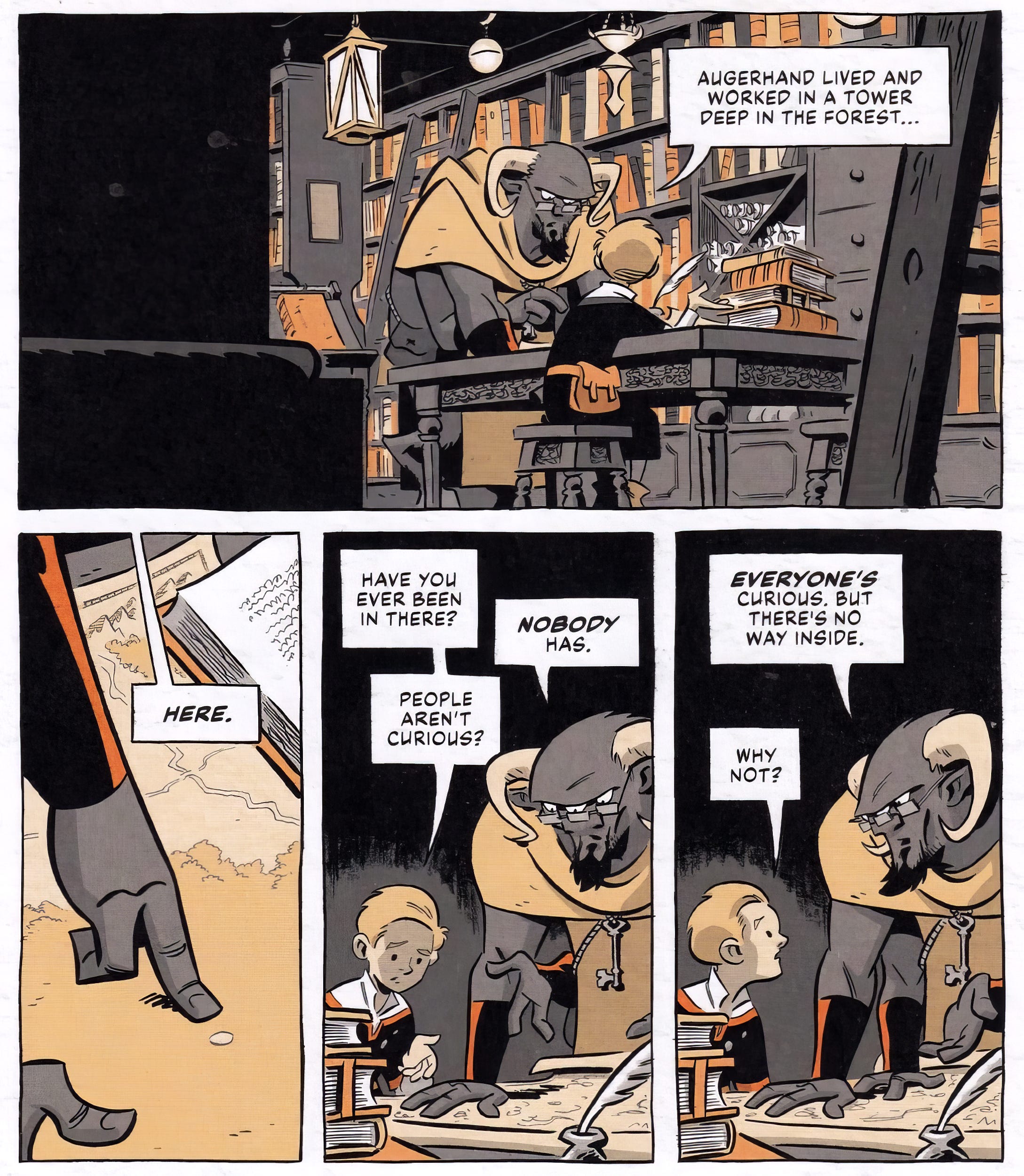
BTP: Can you walk us through how you put an historical book proposal together from idea to finish and what it’s like to pitch said material? In many ways, I feel like there’s more acceptance from publishers because schools and libraries have become instant audiences for that material.
CHANTLER: Oh, definitely. When I pitched Northwest Passage to Oni back in the early 2000s, I tried to keep the word “history” out of the pitch as much as possible, because it was the kiss of death in comics at that time. As you say, that sure changed, which is nice.
I never know how to give people advice on pitching, because I’ve had such a wide range of experiences with that. McClelland & Stewart bought Two Generals based on a short one-paragraph description in an email. With Bix, on the other hand, I submitted a ten-page plot treatment along with dozens of pages of art so that they could see how the book (which was pretty experimental and formalistic) was going to work. And some people just submit completely finished books. Every publisher – every editor, really – is different, and have their own way they like to be pitched. But if they ask to see more, I try to always make sure I have more in my back pocket. I guess that’s my advice.
BTP: That’s all still really good advice. I’m currently pitching an OGN with a writer and we’re going about it the same way my last OGN collaboration was pitched. But in five years time changes everything. Publishers and editors end up playing musical chairs or getting out of the business entirely. Have you had any pitches not make the cut and get shelved? Is it easier to collaborate with a writer or do you really prefer to do the whole package yourself?
CHANTLER: I’ve had good experiences with the few writers I’ve collaborated with, across the board. But generally, yeah, I prefer to drive the bus myself. And there are definitely unsold pitches in the drawer. Sometimes it’s just not the right time, or maybe you lose interest in them after a while. Or, as you say, the editor who would have bought it didn’t appear, or maybe they might have bought it but moved on. So many variables.
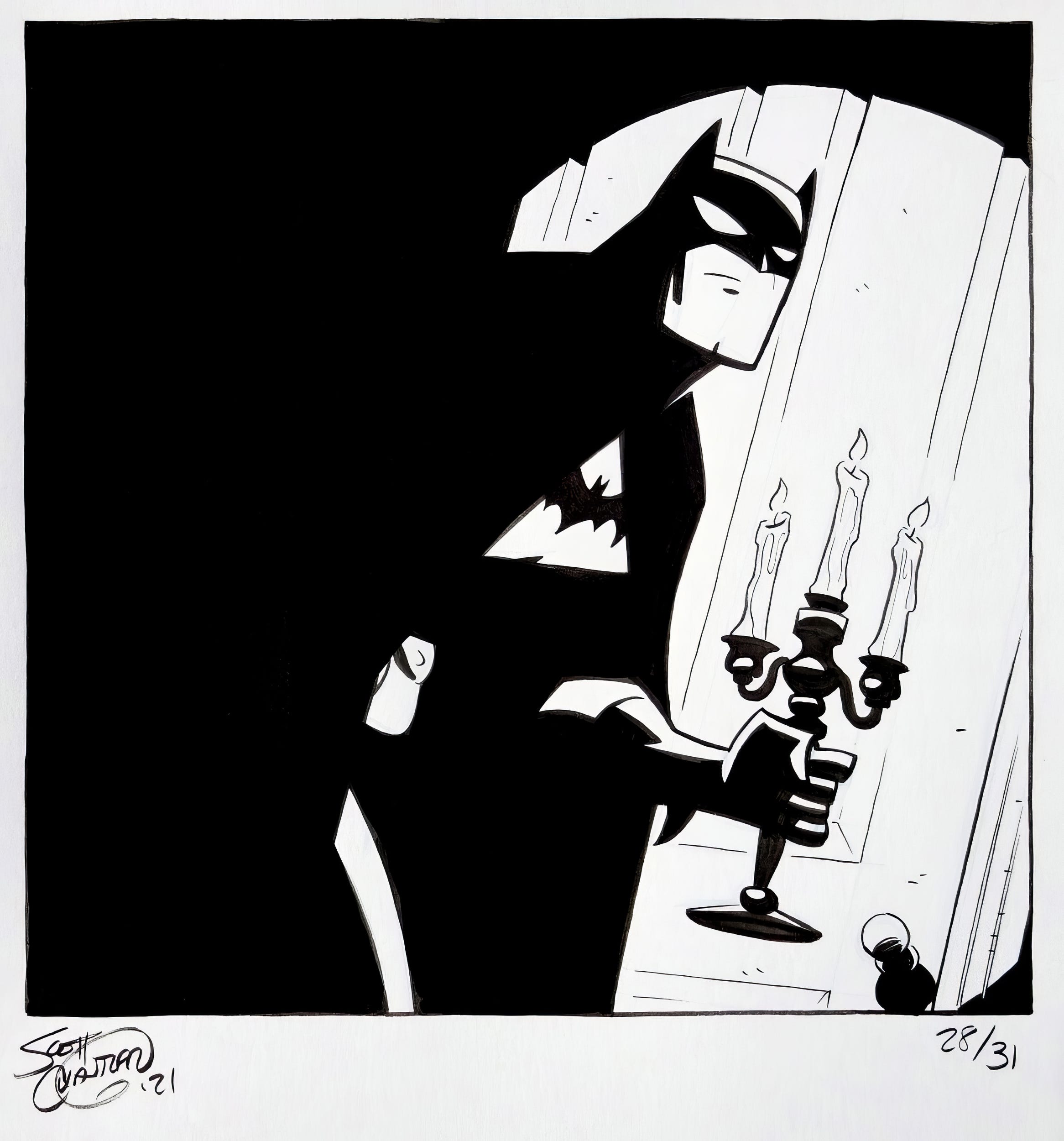
BTP: When it comes to the task of writing and drawing a project how do you manage to create a schedule for yourself and the publisher to rely on? How hard is it to stay on track with the interruptions of life/friends/family?
CHANTLER: It’s tough to schedule a project that’s hundreds of pages with any of kind of accuracy because, like you say, it’s hard to predict what life’s going to throw at you in the next two or three years. But I’ve found that I can, generally speaking, pencil two pages a day or ink three. I also count on at least one day a week being less productive than the others for whatever reason – medical appointments, an unexpected email or phone call, some fire somewhere that needs to be put out. You know, life. So that’s eight pages a week of pencils or twelve of inks, or some combination thereof. With that as a rule of thumb, and building in a bit of cushion for publisher notes and approvals, I can predict fairly accurately how long a project will take based on the page count.
I’m also very strict with myself about what are work hours and what are not work hours. It took years to learn, but you have to do your work and live your life, and not feel guilty when you’re doing one that you’re not doing the other. A by-product of that is that it builds a certain amount of predictability into the schedule. For your publisher and your loved ones alike.
BTP: That is very wise council, Scott. Great answer. Speaking of notes, what’s the greatest benefit an editor has provided for you creatively? What does working with established book publishers over comic book publishers offer when it comes to promoting, publishing, and paying you for your graphic novels?
CHANTLER: I’ve worked with good editors, bad editors, and mediocre editors. The good ones are like the navigator on a road trip you’re on together. They know where you’re trying to go and have a map to help you both get there. Bad editors try to take you in a direction you didn’t want to go or just grab the wheel and steer you into the ditch. Mediocre editors forgot the map at home and just occasionally look at their watch and tell you you’re running late. I love editors who are helpful, but if they can’t be, I prefer they just shut up and let me drive.
Traditional book publishers certainly pay better, and – maybe more importantly – their contracts are a lot fairer. I’m not sure I’d say the promotion is better. Big Five book publishers certainly have bigger marketing budgets, but they’re spending it on, say, Stephen King, not you. Distribution is certainly wider, but comic book publishers are starting to catch up there, finally (mostly by teaming up with traditional publishers.)
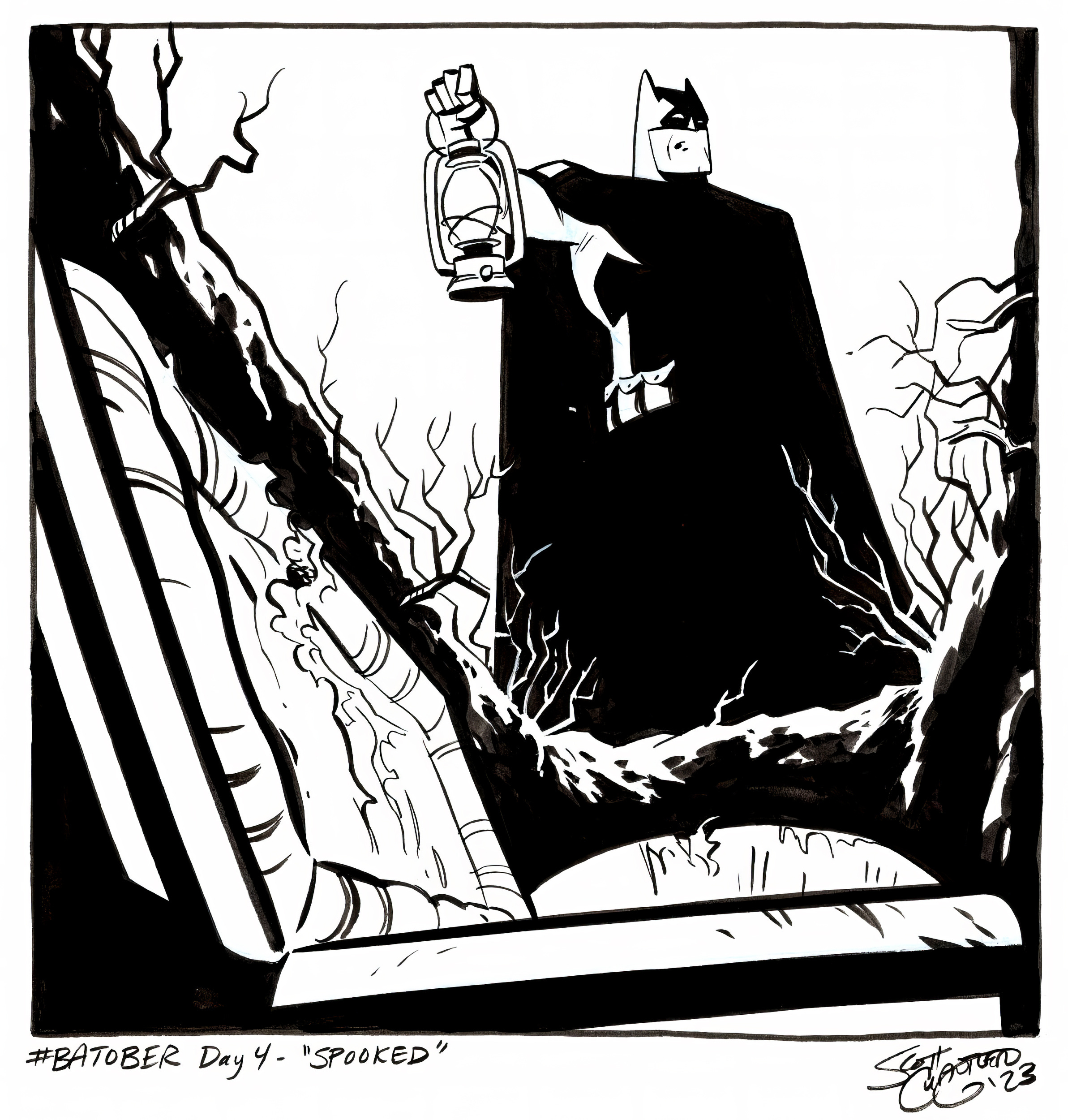
BTP: To cleanse the palette and keep you charged to do your work, what other endeavors do you participate in? (BONUS POINTS if it’s something like ice-fishing, snowshoeing, or curling!)
CHANTLER: I’m a terrible Canadian in that I don’t play hockey, ski, or do any other winter sports. I used to do a lot of canoeing when I was younger, though, so I guess that’s how I’ve held onto my citizenship. I read a lot, I play the odd video game, I’m trying to learn to play blues harmonica. I try to force myself to do things other than make comics, but it’s hard because they’re so much damn fun.
BTP: Even though I grew up playing hockey, I do love me some canoeing. But I agree comics are really fun to make. I want to go back a little and talk about what you said “webcomics creators who turned their strips into book deals”. Back in the day, what kind of book deals are we talking about? Was there any real money attached, or did they take advantage of creators because webcomics was still in its infancy?
CHANTLER: My first book (Days Like This with writer J. Torres) was with Oni Press, and I’d be lying if I said it paid particularly well. But it was a foot in the door and led to more books. Their creator-owned contract at the time wasn’t ideal, but I wouldn’t say I was taken advantage of. Oni was a good place to launch a comics career, and I think most of the other creators who came out of there in the early 2000s would back me up on that.
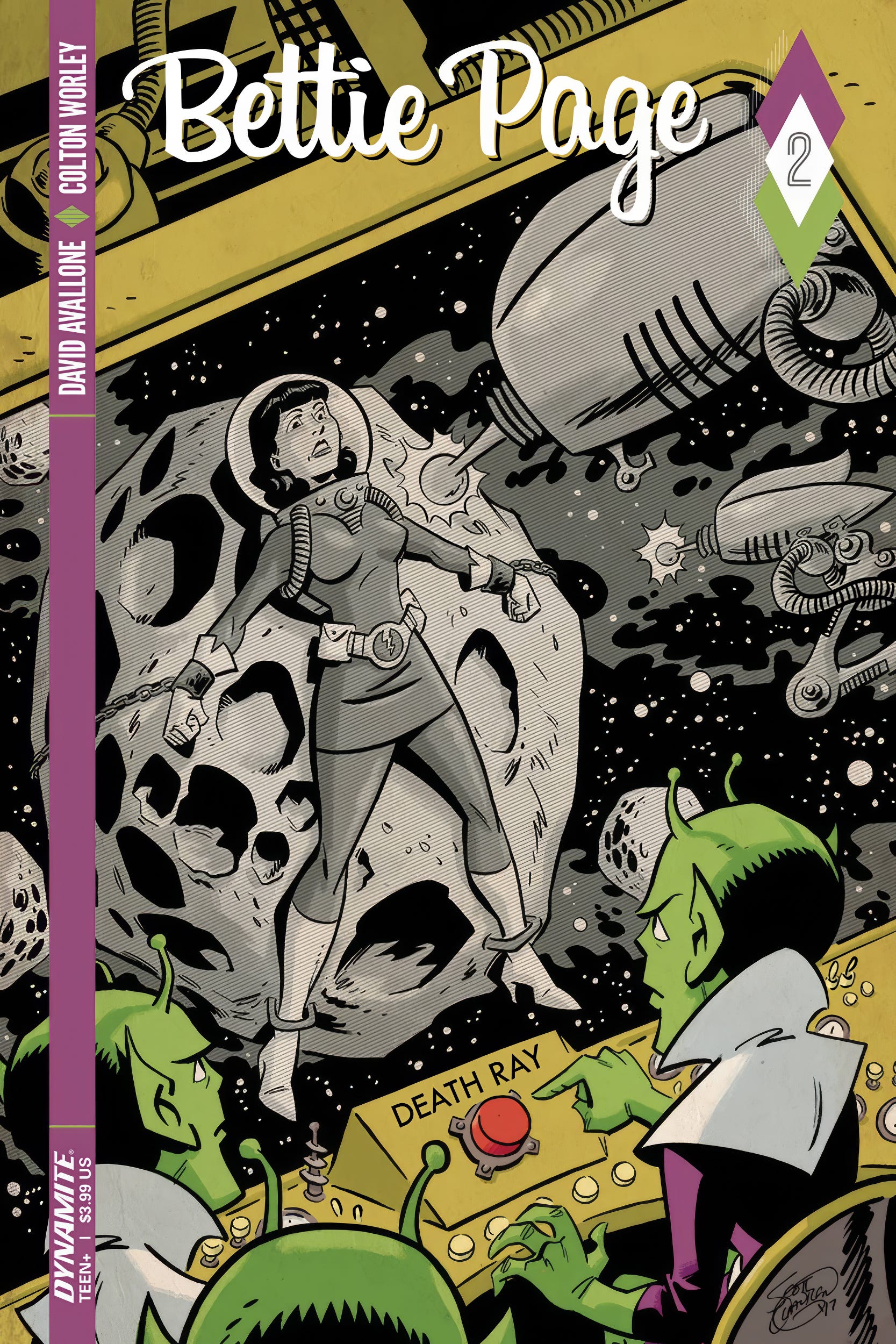
BTP: Having originally started out as an illustrator did you have an agent from the start? How has having an agent been helpful to you in your comics work?
CHANTLER: No, I was pretty deep into my comics career before I got an agent, which was a mistake. I’ve always prided myself on being the kind of creator who knows my rights and will fight for them, and I am. But there are so many ins-and-outs to the wider publishing world, and most of the big publishers won’t deal with you at all unless you have representation. Then, of course, there’s media rights and all those considerations in industries that aren’t even your industry. I could only take my career so far on my own. To take it further, I needed someone who knew all of those secret handshakes.
BTP: That’s always a pretty difficult thing for creatives to wrap their heads around. At the very least getting a lawyer who understands the kind of contracts you’ll be signing is essential. But beyond that things get squirrelly and suddenly the thin margins of what you make in publishing get thinner. What are some early mistakes that you made that could have been avoided with the right representation? Has your work ever been considered for other formats like streaming, film or animation?
CHANTLER: Three Thieves was optioned for television a few years ago, just in time for the bottom to fall out of the streaming business. Again, it’s all about timing. They renewed the option a couple of times, but those rights have reverted back to me now.
Pre-agent, I think I just gave away too much, usually in an attempt to drive up the size of my advance. Which is a good instinct, but you need to know the potential value of things. International rights, for instance. I’m not an expert on that, and neither are most creators. So make sure you have someone in your corner who is.
BTP: Because tastes and attention-spans change, what do you feel is the best way for comic creatives to stay relevant in comics as well as keep the medium fresh and alive?
CHANTLER: I’m not sure. Personally, I’m not a fan of trendiness or ham-handed attempts to be hip and “relevant.” Part of the charm of comics to me, like painting or prose, is the kind of old-fashioned simplicity of it. What made great comics in the 1940s still makes great comics today. I like seeing people experiment with the art form and push it in new directions (and have even done a little of that myself) but generally, I’m happy to read creators who are using the medium well rather than feeling the need to reinvent it.
That said, I do think it’s important to stay current in your reading, and to read widely. I talk to too many creators, especially ones of a certain age, who don’t seem aware of anything being done outside of the direct market, done outside of North America, or done since the ‘90s. I had a recent exchange on social media with a well-known superhero writer who, when I mentioned alternative comics, responded “like Frank Miller?” I just smiled, nodded, and backed away slowly.
You don’t have to be out there hopping on every bandwagon but taking the widest possible view of what comics can do and can be is only going to be help your work. Which in turn might inspire others to take a wider view. Which helps us all, and the medium as a whole.
BTP: Well said, Scott. I think the constant study of any craft is just as important as executing the craft itself. Why would we ever close ourselves off from the thing we respect so much? How could we leverage our experiences into improving the medium or creating something new?
BTP: Thanks for such and engaging conversation, Scott. It’s been a lot of fun. Where can people reach you or find out more about the projects that you’re working on?
Website: scottchantler.com
Instagram: @scottchantler
Bluesky: @scottchantler.bsky.social