

Long Story Short ★ TODD NAUCK
A Comic Creative Who Takes FUN Seriously!

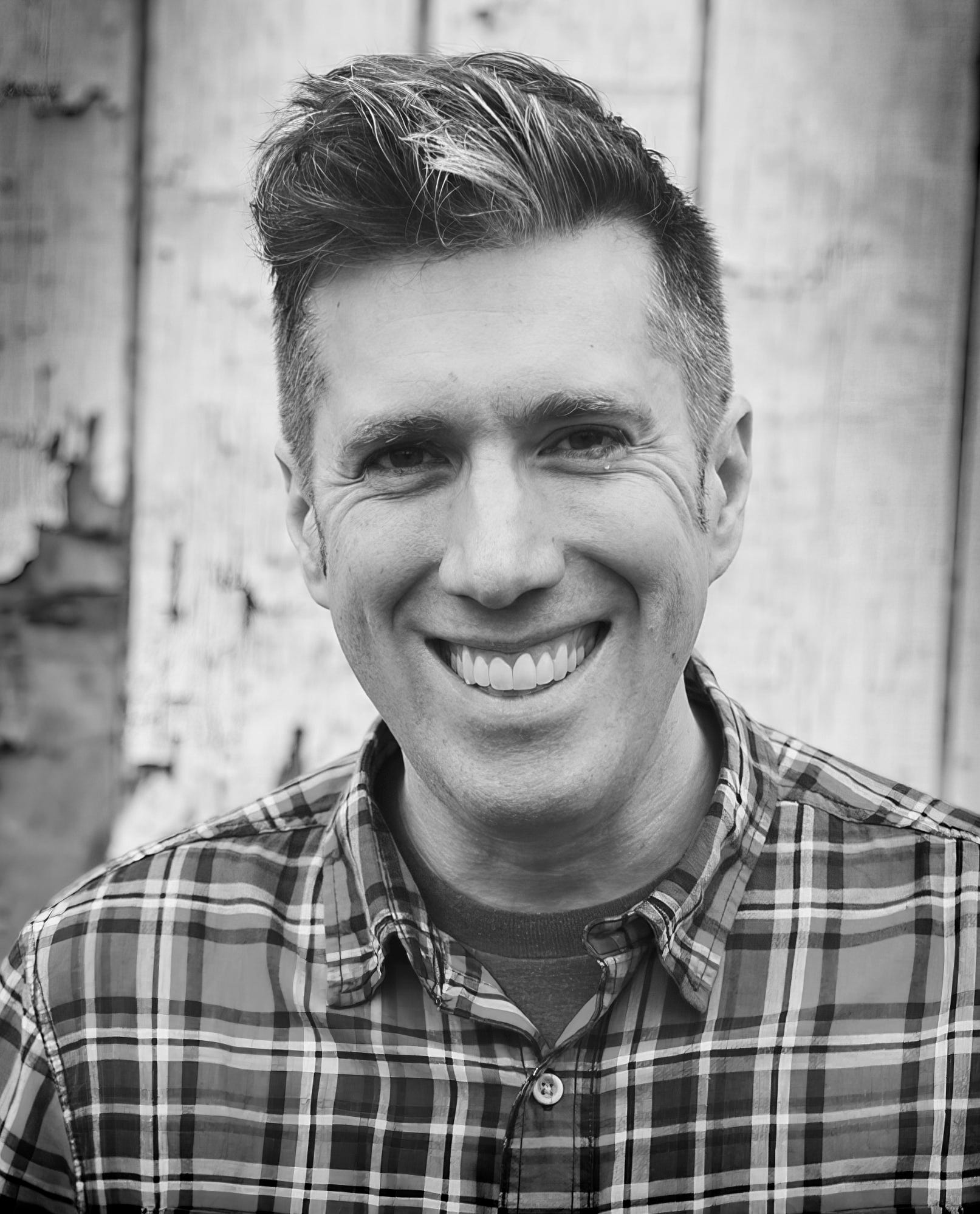
When I think of comic artists who bring an unbridled energy into a medium that is all-inclusive, I think of Texas-born TODD NAUCK. Nobody else does it like Todd and for someone who knew from the get-go what he wanted to do, this is a great lesson in pursuing your dreams.
BTP: Upon doing research about you I realized we both are Art Institute graduates, though I went to the one in Pittsburgh a couple years before you. Was the Art Institute of Dallas your first choice when you finally decided that trying to break into comics with your portfolio wasn’t working? What would you do differently if you had to do it over in terms of education?
TODD: That is cool! I didn’t realize we were fellow Art Institute alum!
The Art Institute of Dallas was an option that was discussed between me, my parents, and high school art teacher while I was in high school. I initially decided to forego more schooling after high school, attend comic conventions, show off my portfolio, and try to break into comics on sheer passion/talent alone. A year and a half after graduating high school and discovering that showing my portfolio at comic cons was not achieving the results I was looking for, I was ready to seek some art instruction. The Art Institute of Dallas was the closest school and already on my radar.
If I had to do my time at the Art Institute all over again, I believe I would allow myself to be pushed more in trying other things with my art. At the Art Institute, they didn’t teach anything about comics or comic books. They didn’t offer an animation program until years after I graduated.
The things I learned in the commercial art/graphic design program were beneficial and definitely helped me up my skills more quickly. I took what I was learning there and applied it to comics books in my continued “self-teaching” in sequential art.
As for what I could’ve done differently… I was so focused on comic books and comic art, I was infusing that material into all my projects; album cover design, logo design, menu design, and every illustration assignment. I feel if I had allowed myself to try completely different types of art and design beyond or separate from comics, I could have expanded my skills in completely new ways and bring that to comics.
But at least it all worked out and I got to my true goal of being a pro comic book artist! LOL
Prefer a downloadable PDF? Get it here.
BTP: That’s hilarious. I did the exact same thing with incorporating comic books into every one of my projects. I’m not sure the teachers back then respected the medium let alone understood its potential. If you were to describe the importance of comic book storytelling to American art and culture to anyone, how would you frame it and what would you say?
TODD: I definitely had instructors that didn’t understand what was going on in and with comics in the early 1990’s. But I also had some instructors that were champions for me and my career pursuit. The head of the Visual Communications department saw I had a passion and understanding of what it takes to make comics and made an exception at that time to let me be the second student ever at the Dallas school to graduate with a comic book art portfolio.
BTP: I find it interesting that you ended up in Liefeld’s studio so quickly. Looking at your earliest work I can see how the influence was there early on. Did the lessons there solidify the DNA of the majority of your work? How did you differentiate yourself through the 90s to maintain relevancy in later years?
TODD: I went to my first comic con in Dallas to show my portfolio and tried to get discovered at age 18. I’d attend the Dallas comic cons 3 times a year and learn a lot from the editors’ critiques and slowly improve con by con. Those critiques, coupled with my training at the Art Institute, helped me progress further and faster. I had begun to get small assignments at age 21. My first gig was a one page gag at Marvel for their humor comic, “What The--?!” #21. And I did some small publisher work.
Rob discovered my art one year after I graduated the Art Institute and I was deemed the winner of his Extreme Studios Talent Search. But all in all, it was a 4 year journey to get to that point of working full time in the industry. But maybe I did break in relatively quick for this industry? I’m not sure. When you’re a late teen/young adult, 4 years can feel like an eternity! LOL!
My comics style DNA was pretty diverse already. Even before Rob Liefeld hit the scene and started to inspire/influence me (along with the other Image founders work), I was influenced by my favorite 80’s comic artists. Arthur Adams, Rick Leonardi, Walter Simonson, Alan Davis, Jon Bogdanove, Bret Blevins, John Byrne, George Perez, were initial influences and inspirations. I would then be inspired and influenced by the artists that would eventually go on to co-found Image with Rob: like Jim Lee, Todd McFarlane, Erik Larsen, Whilce Portacio, and Marc Silvestri, as well as other artists of the 1990’s: like Chris Sprouse, Mike Wieringo, Humberto Ramos, J. Scott Campbell and more.
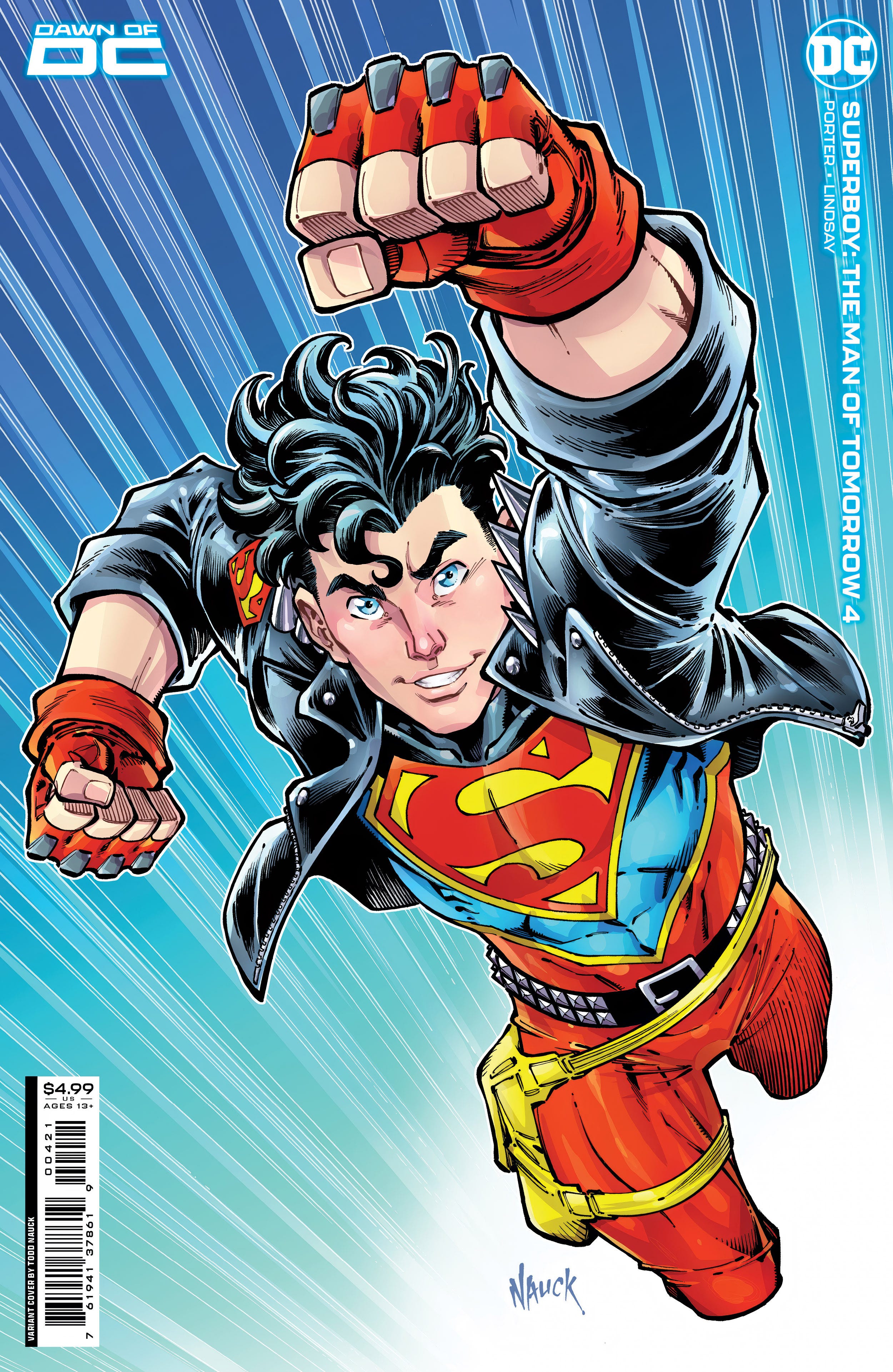
Rob did teach me his approach to drawing comics. I still carry aspects of those lessons in my work today.
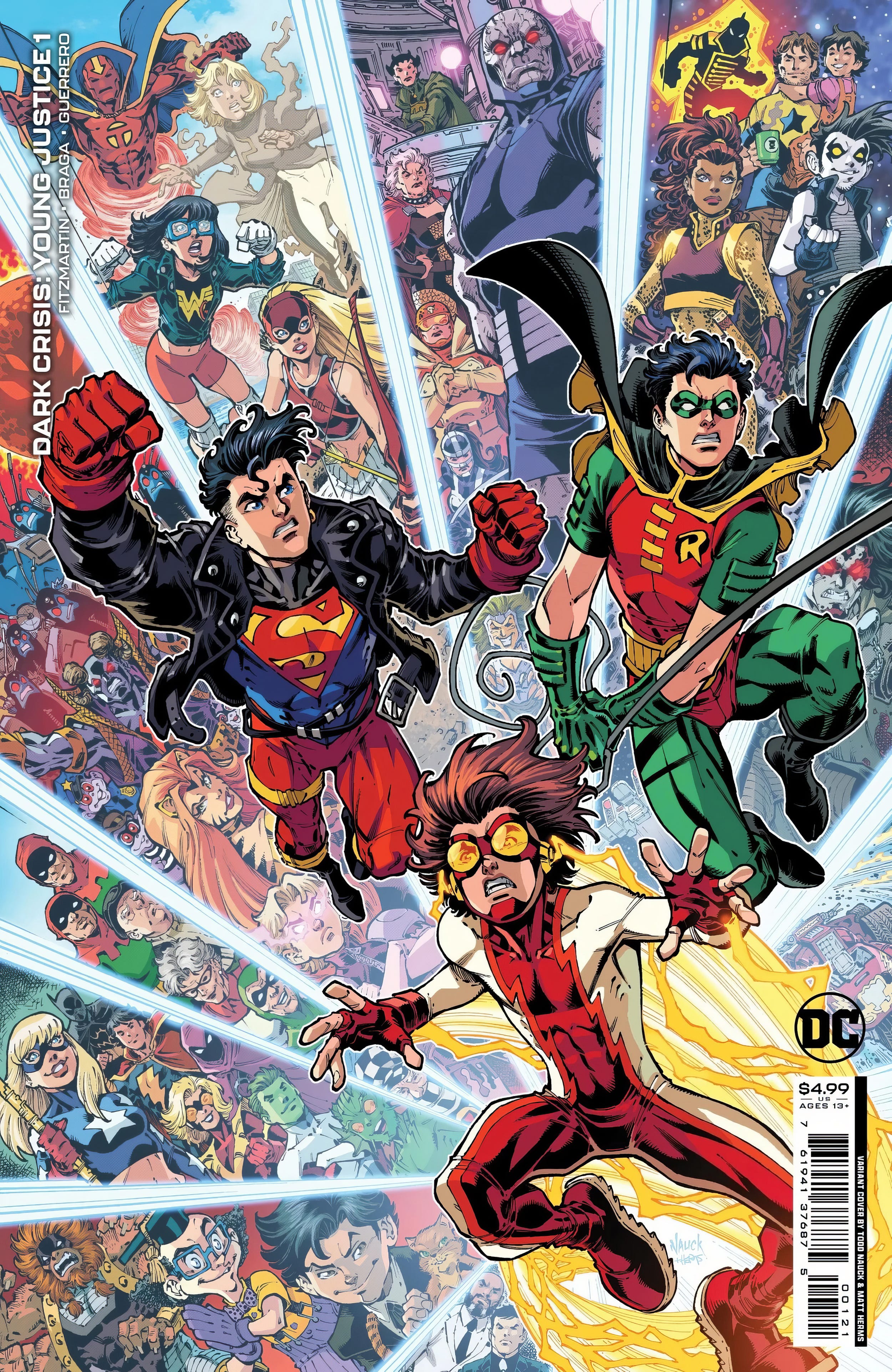
I didn’t really consciously seek to differentiate myself through the 90’s. I was kind of more just looking to do the best work I could while maintaining deadlines. I kind of stopped trying to “find my style” and let my style find me. Think my style really started to solidify as distinctly “me” once I started work on Young Justice. I have always strived to improve upon my art and technique, and continue to be inspired by great art, so that has naturally evolved in my style and art over the years.
BTP: Those are a lot of great influences to be sure. Were there writers at that time that really spoke to your sensibilities? Have you ever had the opportunity to write for other artists and if not who would you like to write for if you could choose?
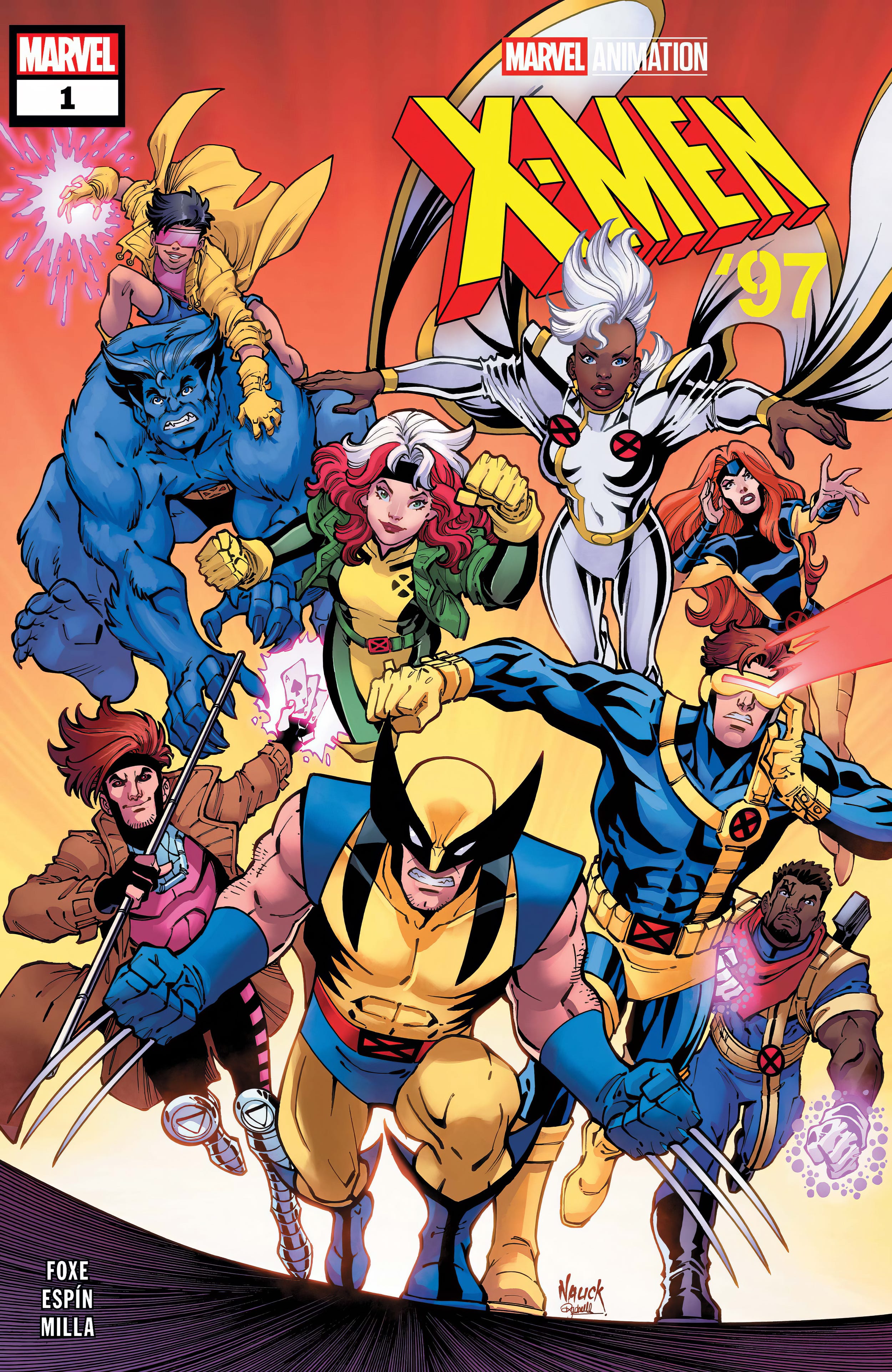
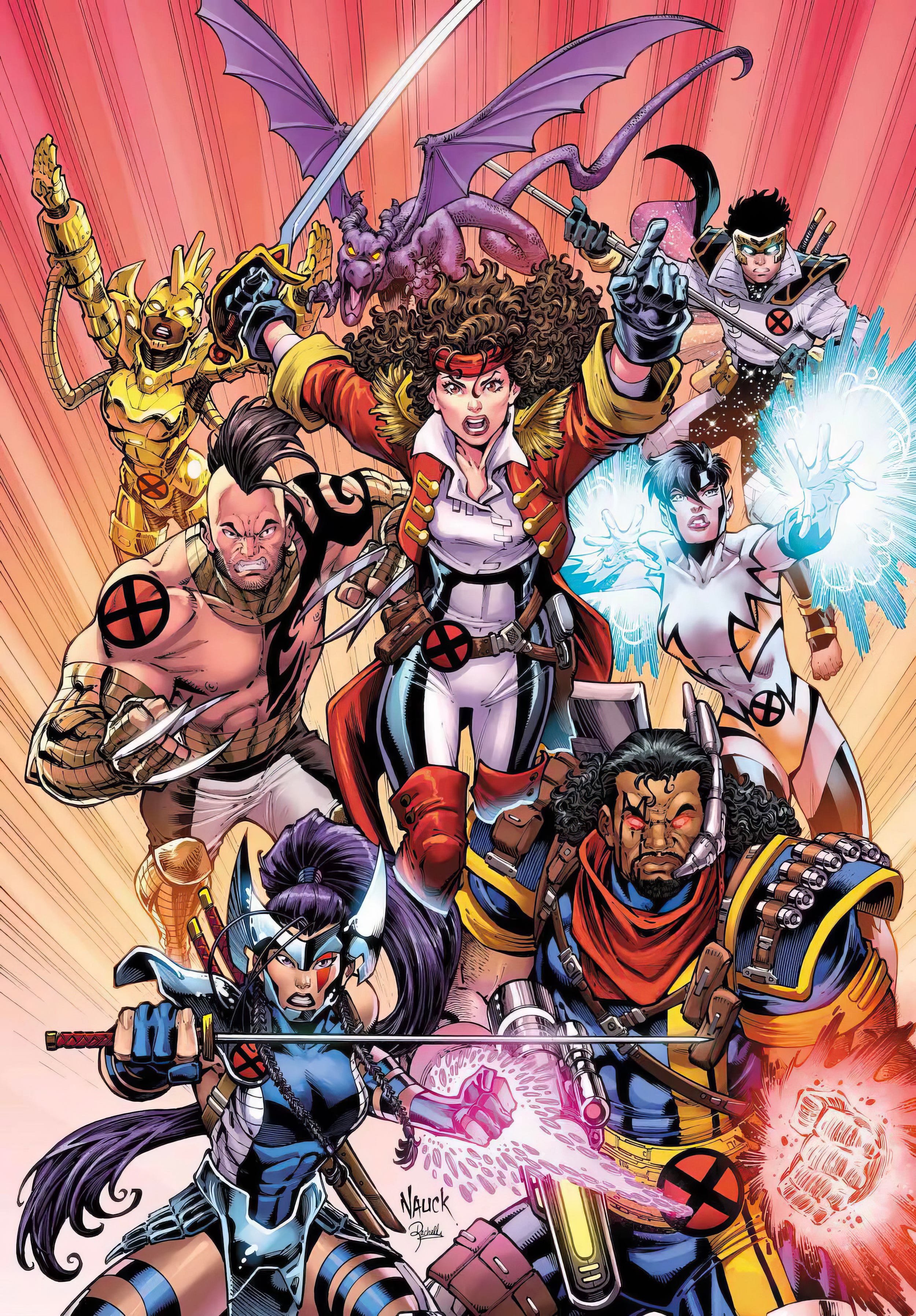
TODD: Some writers that really spoke to me would be Chris Claremont, Louise Simonson, Peter David, and Keith Giffen/J.M. DeMatties. They wrote fun, emotional, funny superhero action and drama. I’ve had the honor of working with all of them! I feel I have learned the most from the 70+ comics I’ve done with Peter David. Working with Chris Claremont on Nightcrawler was a treat. He wrote Marvel style with paragraphs describing series of pages. My editor kept pushing me to give him more than what Chris described. I was encouraged to take what I’ve experienced with reading Chris’s long work with X-Men and lean into it creating more to each moment on the page. It really pushed me to expand my storytelling capabilities and infuse more of myself and “writing” in a visual form. I think that helped me grow the most and is the way I prefer to work.
I have written short stories of my creator owned characters in my world of WILDGUARD. I’ve had artists like Sean “Cheeks” Galloway, Sandford Green, Ray-Anthony Height, Tracie Mauk, Justin Peterson, Joey Mason, Erik Reeves, Steven Sanchez, and the late Jeremy Dale all draw stories I wrote as back-ups to my various WildGuard comics. I really enjoyed seeing their fun and cool take to my characters and my writing.
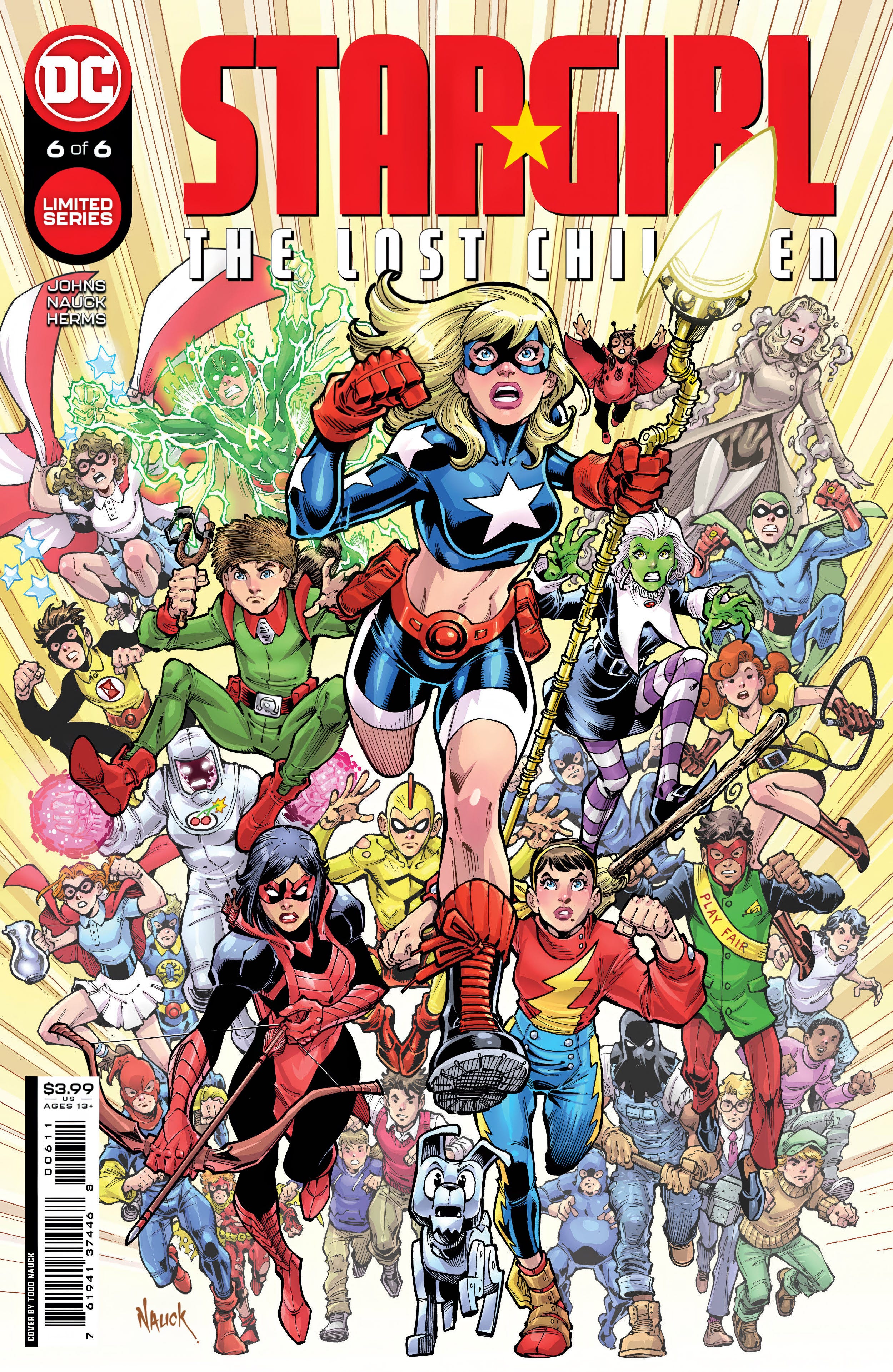
BTP: You’ve done a lot of work over the years and have had a distinguishable impact in keeping the look and feel of comics fun and entertaining. I can’t think of anyone who does it better. How much of that is an extension of who you are versus say the books you grew up with? Was there ever a moment that you wanted to explore something darker, perhaps another genre or even a change in style?
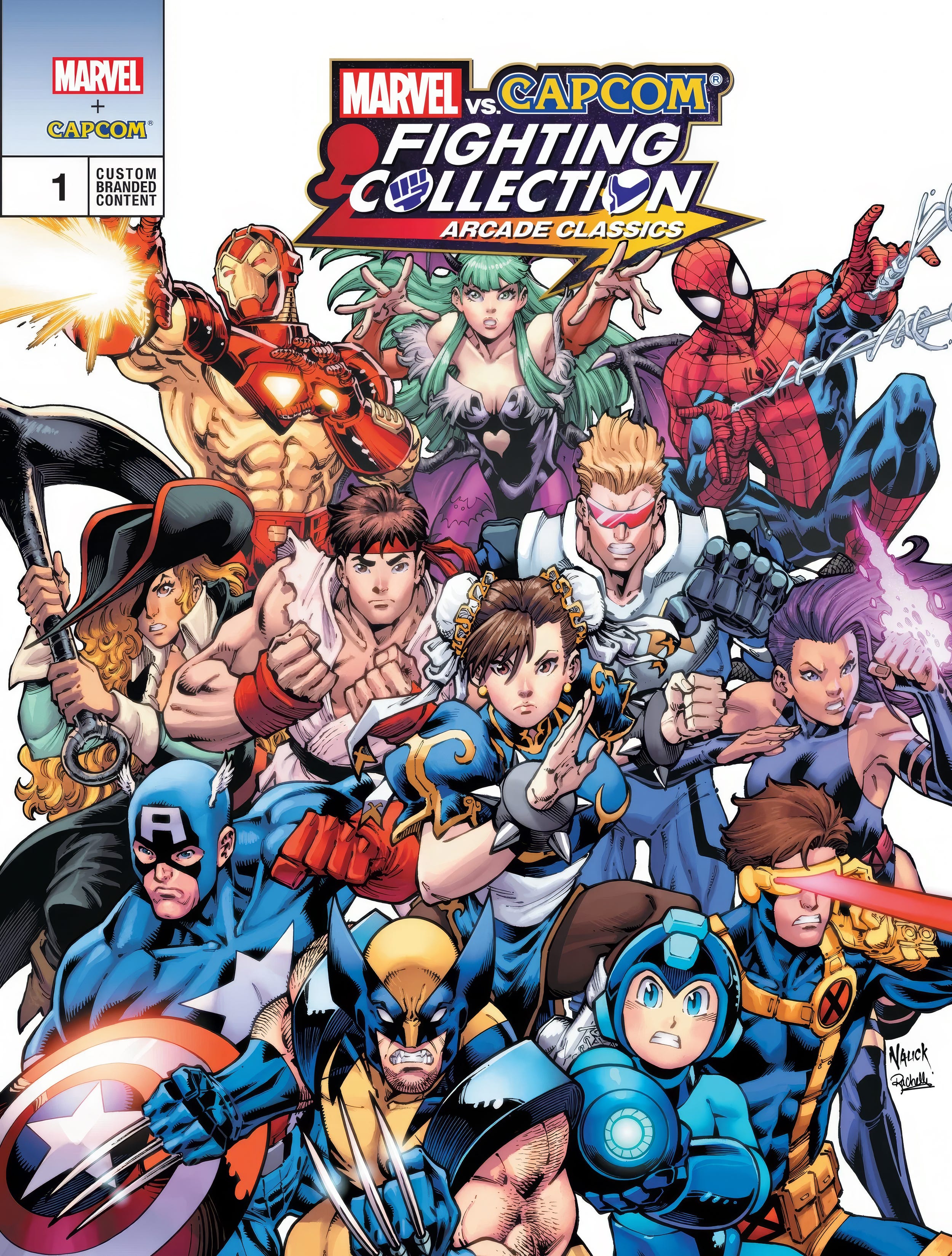
TODD: Thanks! I’ve always sought to reflect fun in my art. That’s a great question and I think it is both! The passion for fun comics is a part of who I am and what comics I gravitated towards, especially as a teen in the 1980’s. Marvel Superheroes: Secret Wars X-Men, New Mutants, X-Factor, Excalibur, Power Pack, New Teen Titans, Crisis on Infinite Earths, and the Giffen/DeMatteis JLA/JLE/JLI, were the types of books that interested me the most. So many of those artists infused my comics DNA as mentioned previously.
During my time on Young Justice, I learned to focus on the fun of drawing and the art journey itself. It’s been great to get feedback from fans that they feel the fun I am having through the art. I guess that fun is somehow magically transferred into the art and communicated to the reader. The fun and joy of drawing has been my “north star” for a long time and where I set my compass when I feel overwhelmed, frustrated, or down. And it makes all the difference!
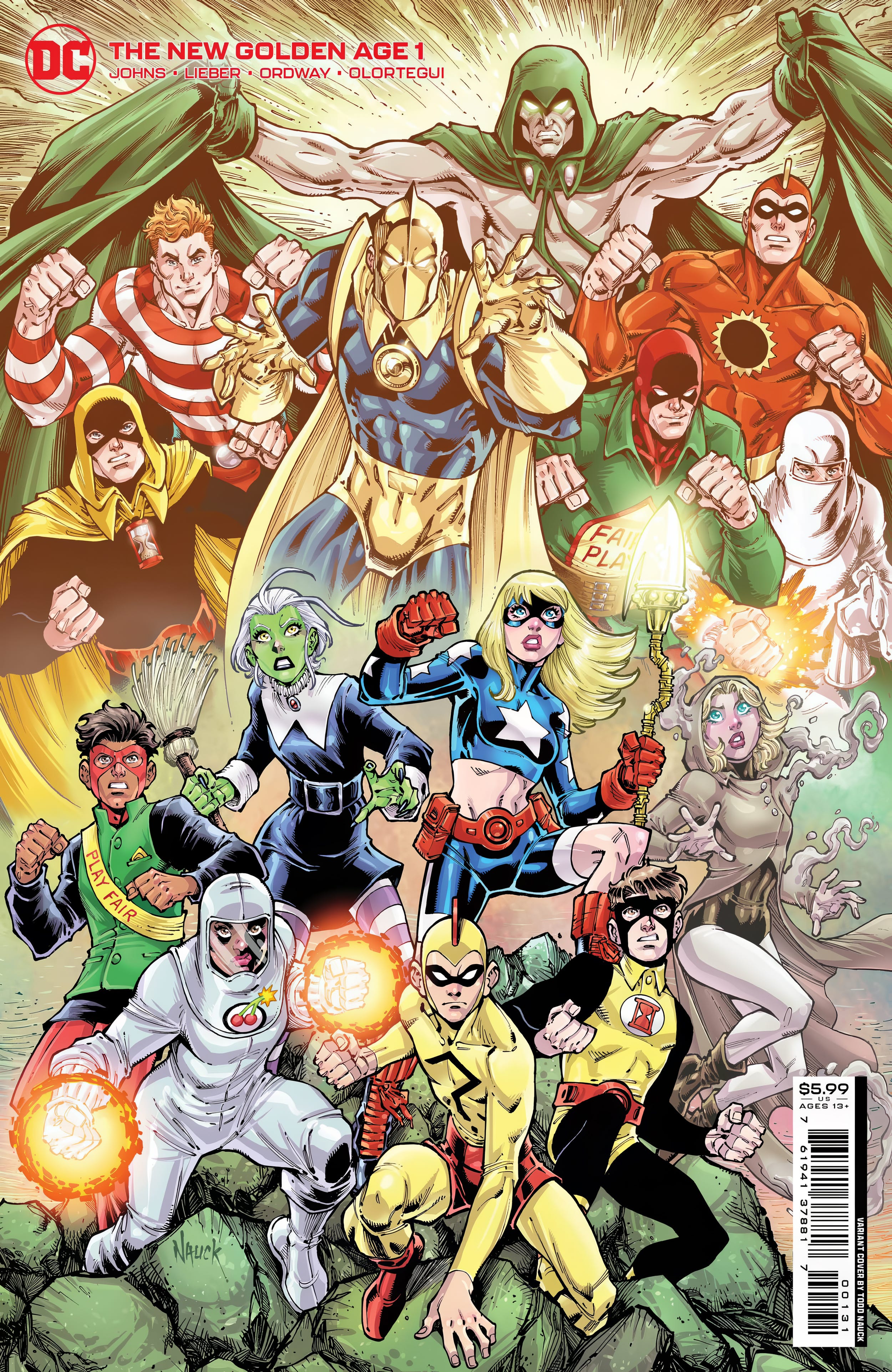
As for trying other “styles” or genres, I have had passing thoughts of trying a darker type of story. Maybe something that was a little more on the mystery/scary vibe. But I haven’t put a lot of investment into that idea yet. I felt I kind of dipped my toe in that arena ever so slightly, but intentionally, with Stargirl: The Lost Children. It was a juxtaposition of the bright fun characters of Stargirl and the missing sidekicks in a dark, creepy island with a fairly grotesque villain. That was a really fun recent project!
BTP: When working with editors, who drives what you work on? Do you always work with the same one that continues to give you work or are approached by others and have to manage your schedule and expectations accordingly?
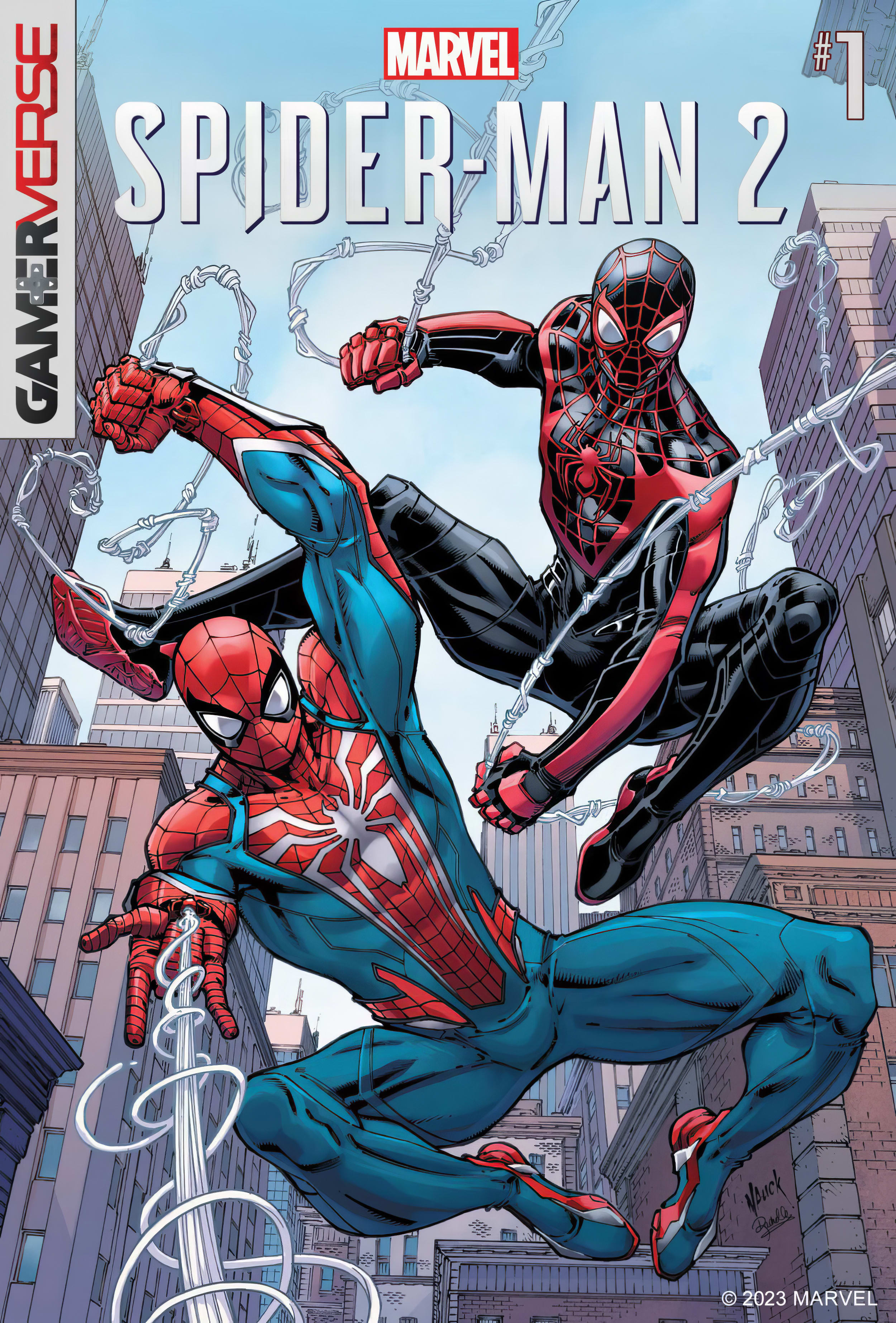
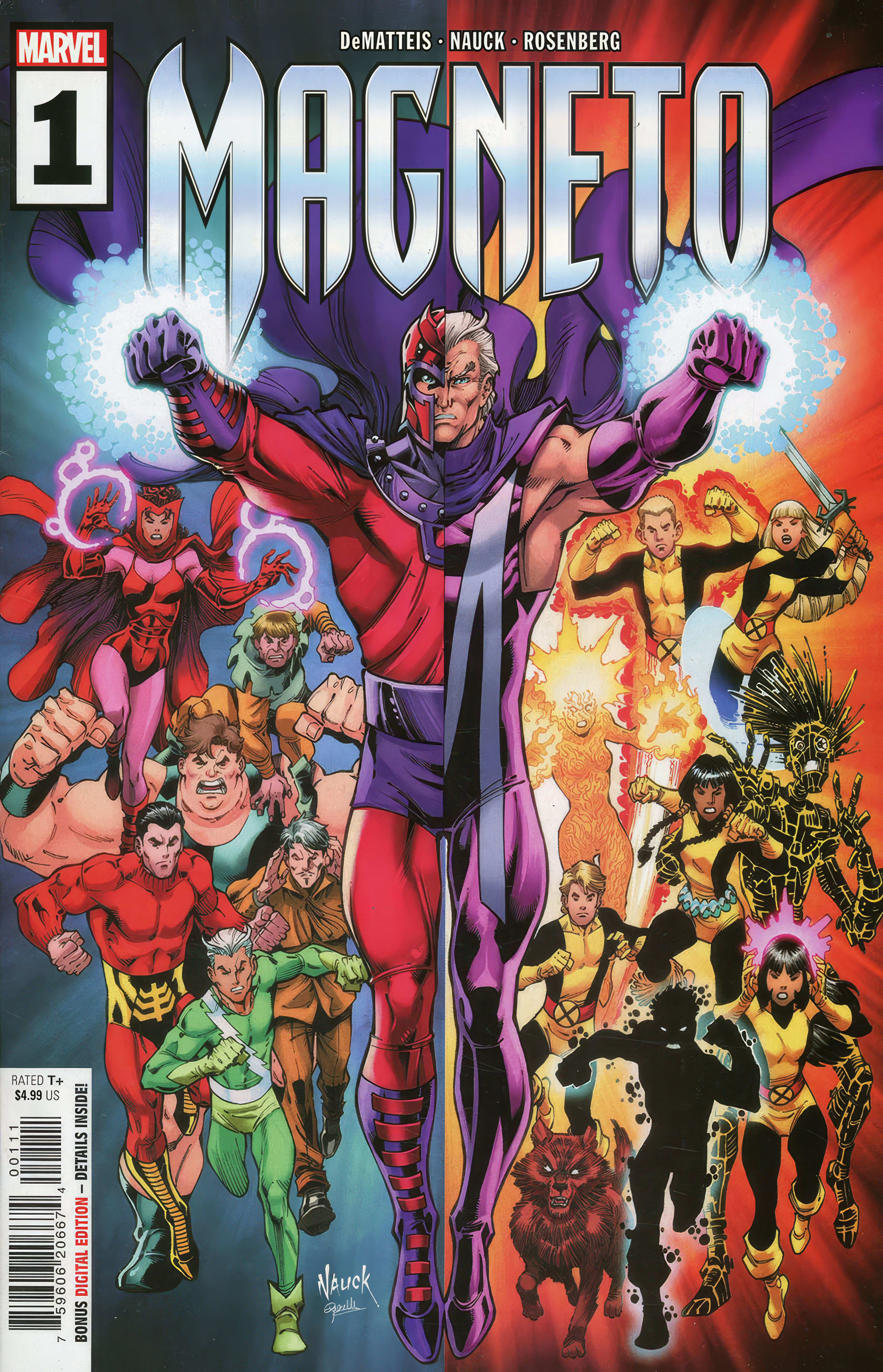
TODD: I work with a lot of different editors. I love that I get to move from character to character, like Stargirl then to Magneto, then to Amazing Spider-Man, etc. It keeps things fresh for me getting to play with different characters.
BTP: I notice you use a pen for much of your inking. How did that come about and have you ever tried inking with just a brush? Have you explored using Clipstudio or other digital software instead?
TODD: I started using Pigma Micron pens in the mid 90’s for rough sketch inks and sketchbook types of stuff. After years and years of practice, I felt I was more proficient at inking with multi-liners. I’ve incorporated brush pens and multi-liners of all sorts. I have gotten a high-quality brush from an inker friend to give that a go. I like it a lot but I still need to practice with it more.
I have been using ClipStudioPaint on my Wacom MobileStudio Pro for parts of my comic art production since 2017. I mainly use it for sketches, layouts, and pencils. Then I print the digital pencils in blue line on art boards and ink traditionally. Almost every single page of my original finished pages are still on Bristol board and inked traditionally. I have been experimenting with digital inks on my creator owned stuff like my Jacko Manturn comic strips. I’ve also been experimenting with drawing in the Procreate app.
I like what can be done with digital inks in that app a lot. But I prefer having a one-of-a-kind piece of traditionally inked original art more. Even if I am able to make digital inks a part of my skillset, I can’t imagine ever moving away from traditional inks as a practice, both because I enjoy the process and that I have a piece of physical art when completed.
BTP: As a professional, how many penciled and inked pages are you knocking out a day where you’re maintaining the quality that you’re known for? Has that improved over time?
TODD: I average about 5-6 penciled/inked pages a week. That’s been pretty consistent for me as the sweet spot since about 2012. I started doing my own inks in 2010, but it took about 2 years to find a rhythm that allowed me to pencil and ink a monthly title.
BTP: How do you keep the super-hero genre fresh for yourself in the wake of changing times and tastes? What do you think is important for the genre to grow into the future with films pushing the characters out to more of the masses than the actual comics themselves these days?
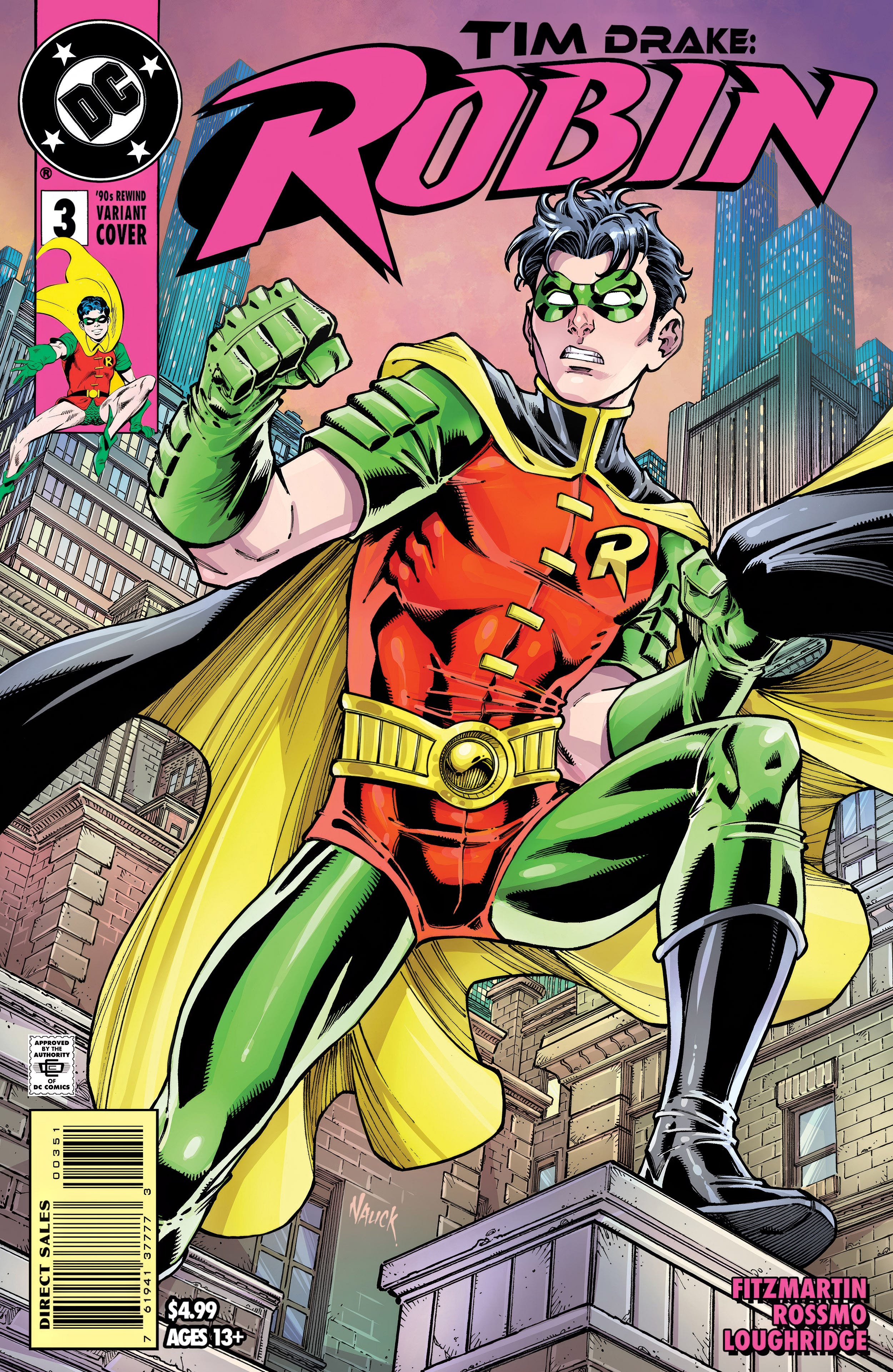
TODD: I guess I mainly try to focus on having fun and really enjoying my time drawing. I have found that when I have fun drawing something, the viewer has fun seeing it. I try to keep trends in mind, but I try not to chase trends. I think people respond more to genuine expression.
BTP: I’m not sure I’ve ever asked this question before, but considering that you’ve drawn quite a number of comics, how have you managed your art storage? What steps do you recommend creatives take in cataloging and storing their work?
TODD: HAHA! I have been slowly figuring that out. I keep the art pages in plastic envelopes that the blank Strathmore pages are sold in (or many are in large FedEx envelopes) in plastic storage bins. I still need to sort through and get them all alphabetized or something like that. But at least they are all in a safe place and not too difficult to find a specific page if needed. Maybe I should work on a catalogue database as well to cross reference what pages I still have!
BTP: What’s a genre outside of superheroes that you haven’t worked in yet that you’d like to try and why? What’s one that you would have absolutely no interest in and why?
TODD: The first genre to come to mind would be sci-fi/fantasy. It’d be fun to draw lots of weird aliens, monsters, tech, ships, etc. My Jacko Manturn strips are my stepping into more of a non-superhero type of material; a comic strip drawn in a comic page format.
I have very little interest in doing western/cowboy comics, though. Mainly, because I don’t want to draw that many horses! LOL.
BTP: I hear that. I love horses and I work hard to draw them right, but if you don’t they look like long-legged dogs. Can you describe a time when you were asked to draw something in a script that was outside of your comfort zone but had to meet the expectation of the writer? What steps did you take to make your best effort and how were able to persevere?
TODD: One moment that easily comes to mind was when I was working on Invincible Universe. Writer, Phil Hester, wrote a scene where two of the characters were horseback riding and had to rescue a cow stuck in a big mud puddle. I jokingly groused about having to draw two different cloven hoofed mammals. I did Google image searches for horses and cows. That helps to a degree, provided I find a photo in the exact angle I need to draw the horse/cow in. The conundrum is I just cannot turn an animal around in my head to get the angle I am imagining quite the way I’d like. At least, not clearly enough.
So, I went to Michael’s craft stores and purchased some nice PVC models of horses and cows. This allowed me to physically rotate them and see them in the angle I am imagining. Then I could cross reference that with the photos and get the panel drawn as needed.
After getting that scene drawn, the writer and editor asked why I complained about drawing horses and cows. They felt I did a great job.
I guess that is all part of the nature of facing our challenges and getting the job done. I’m sure if I drew horses (or other animals or vehicles) on a regular basis, I’d become far more adept at drawing them from my imagination and could get to a place where I can see them in my head at whatever angle I want. I’m just in no rush to get there. Plastic models and photos are fine by me for now. ;)
BTP: Is there a creator living or dead that you wished you could have worked with or studied with and why that person?
TODD: Dick Giordano. I love his inking style on so much of the 1980’s DC stuff. I think it could have been great to have learned from his instruction.
BTP: No doubt! I think that’s what is interesting about comics in general, the idea of mentorship. As Rob Liefeld was to you, have you considered mentorship of others? Do you see teaching of the next generation of comic creators in your future?
TODD: I do art videos on my YouTube channel. I appreciate that a number of aspiring artists leave comments or visit me at comic cons, and they tell me how much they have learned from my videos. That’s encouraging and gratifying. I figure as I get older, I could move more into a teacher role. Right now, I’m spending my week getting my 5 pages penciled and inked!
BTP: If you hadn’t gone into the creative arts, what other career path could you have seen yourself doing to the same level of satisfaction?
TODD: Fun question! Before wanting to be a comic cook artist, I wanted to be an actor. I joke that if I hadn’t gone down this artist path in life, maybe I would have stuck with acting and would’ve tried some sort of career there. Maybe I could have ended up as a Disney Channel sitcom dad or game show host. LOL!
BTP: I could see that. You certainly have a playful nature. It’s never too late, either. Dipping my toes into acting has helped my art and writing immensely. Out of curiosity, do you know if they happened to have modeled the Peter Parker character after you from INTO THE SPIDER-VERSE? I know you cosplay that every so often, but it’s actually uncanny. Did you blackmail someone, Todd?
TODD: Haha! I remember when the trailer for Into the Spider-Verse came out. I got deluged with DMs from fans saying Peter Parker looks like me. I hadn’t seen the trailer yet and I was wondering what they were talking about. Traditionally, Peter Parker does not have a longer face like mine. So I look up the trailer and was, like, “Whoa! They gave Peter Parker a long face! HE DOES look like me!” I decided to lean into the similarity and do the cosplay. It’s a lot of fun at cons and joining the Spidey photo meetups like at NYCC.
Since they have established real life people in Across the Spider-Verse, I’d love to be a dimensional variant Peter B in the background in the third movie!
BTP: Back in the day editors looked out for a lot of the creatives they brought on board, giving them work even in-between bigger projects. As new faces enter the arena how do you stay connected to editors these days, so they continue to keep you on their radar?
TODD: For me, it’s always been about doing the best work I can, being flexible, and meeting (or beating!) deadlines. And, of course, being cool, kind, and friendly to my editors, writers, and fellow creative artists.
I am definitely thankful for all the opportunities that have come my way and all the great editors and co-creators I’ve gotten to work with!
BTP: Half the battle is showing up and being a pro. Sounds like you’ve got that in spades. On those rare occasions when a young creator comes to you and shows you their work and it happens to be of very good quality, what advice do you give them in breaking in or getting in contact with editors? How could editors do a better job at finding solid comic storytellers out there?
TODD: I encourage aspiring artists that have the goods to visit the publishers’ booths (Marvel, DC, as well as other publishers) and ask around about editor critique opportunities. I suggest that they knock on every door they can access. Ask questions to see if someone, anyone, will look at their work! I know Marvel and DC do the submission drop boxes with call back lists at big cons like San Diego and New York. And they will have editors at cons like Chicago, Seattle, Los Angeles, etc. and even internationally to specifically find new artists.
BTP: I often wonder if creatives know when they’re creating something that will be talked about for years. People STILL, to this day, talk about The Dark Knight and Watchmen. How important is legacy to you and do you feel you’ve created your definitive magnum opus? What would that look like for you if you have yet to create it?
TODD: I would think (or hope) we all would want to have made some sort of positive impact in our lives in whatever we do or career field we are in. I feel any kind of legacy in comics is revealed by the fans/comic readers reaction and response to one’s art journey and body of work. It’s my job to do the best work I can. I leave the response to it in the hands of the readers and fans. They can probably speak best to if I have or am yet to create a magnum opus and what that could possibly be. It really frees me up to have fun and do the best art I can.
BTP: In line with this thinking, are there any characters out there that are under-served that you would like to take a crack at in making them more mainstream and popular? If you’re helming the art on a project like that, who would be your dream team to bring this to life?
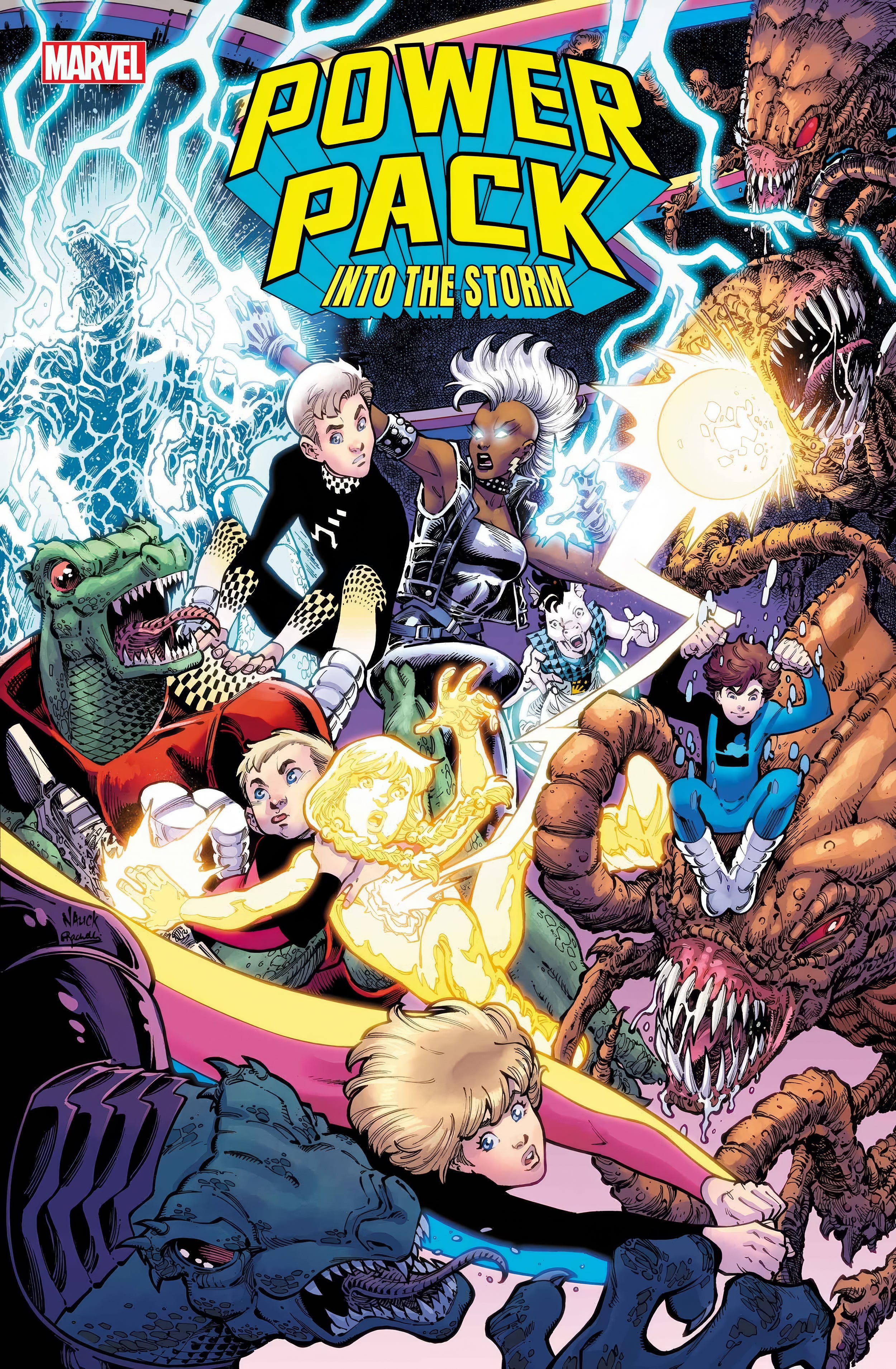
TODD: I’d love to work on Power Pack. The original 80’s series was a lot of fun and I’m a big fan of writer/Power Pack creator, Louise Simonson. So, a new present-day Marvel Universe Power Pack series would be my first choice!
Also, it would be fun to do a buddy comic with Booster Gold and the Ted Kord Blue Beetle. I loved the hijinks they would get into in the Giffen/DeMatteis JLA. It would be a lot of fun to keep those hijinks and their “get rich quick” attempts going!
BTP: When you look at the landscape of those comic artists who’ve come before you, especially those who have struggled to getting steady work, what lessons have you been able to take away and apply to your own life? Though, barring any health issues we’ll probably never stop producing art, but what does retirement look like for you?
TODD: Enjoy the work that comes in. Do the best work I can and really savor the illustrations. I want to do this for as long as I can and as long as publishers want to work with me to make comics readers want to read.
As for retirement, I would hope to be able to retire. But I hope to still be creating even in my old age. I’ve been drawing all my life and I can’t see any reason I’d want to stop doing that. It’s just too much fun!
BTP: The inevitability of age will do as it will with us. I believe creativity will always find a way if one stays hungry. Is there anything outside of the entertainment industry that gives you strength and inspiration to keep pushing? What do you do to relax and recharge your batteries.
TODD: I may sound like a broken record, but it’s really all about enjoying myself in the art process and the fun of seeing things come to life on the page. My wife and I laugh that my biggest downtime activity is more drawing! LOL!
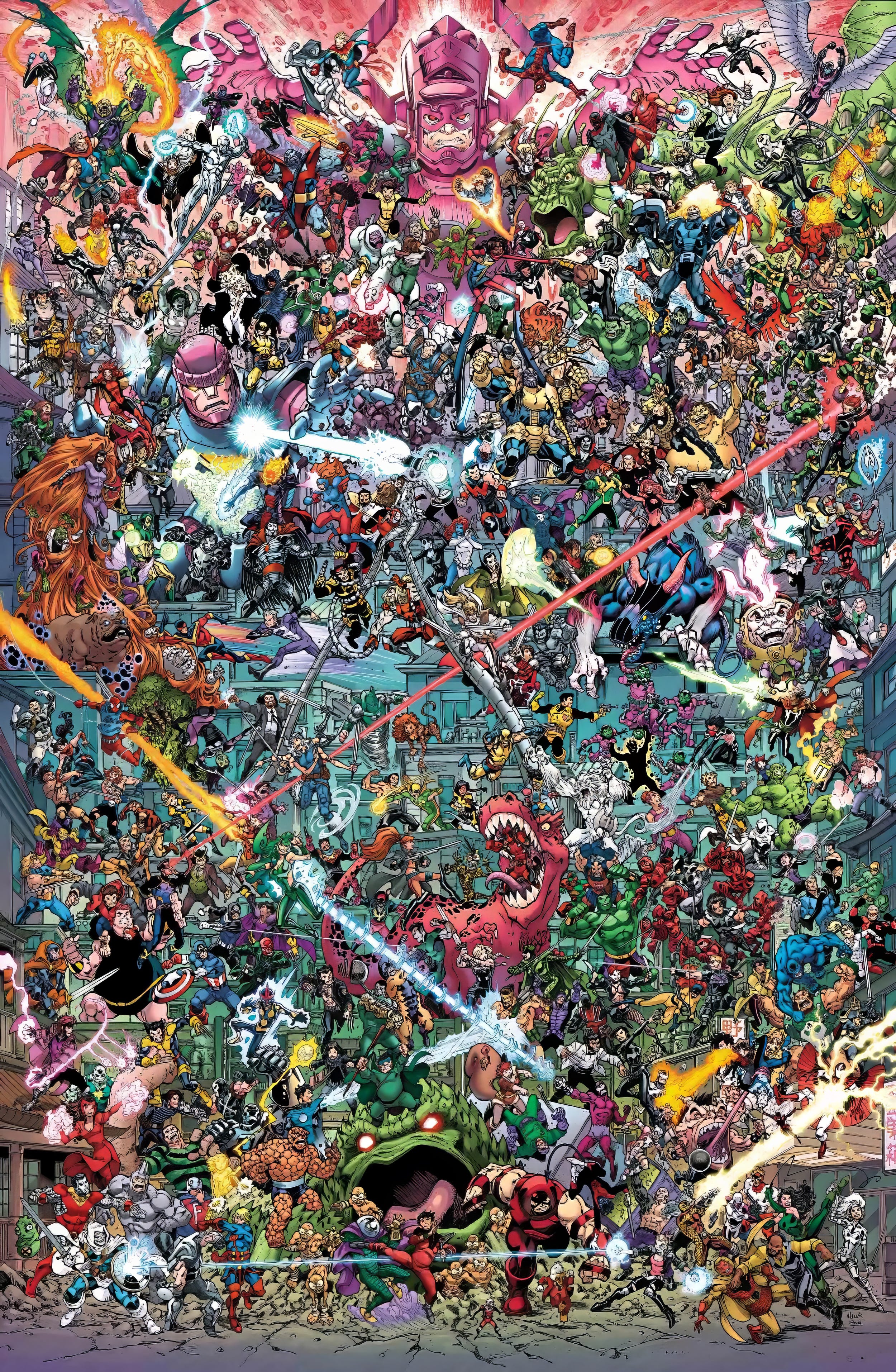
BTP: Thank you so much for taking the time with us today, Todd. We know you’re under continuous deadlines and we really do appreciate your insight. Where can more people find out about your work and convention appearances?
TODD: My pleasure! Thanks for the invite! People can see more of my art and updates on my comic projects and convention appearances here:
WEBSITE: https://toddnauck.com/
YOUTUBE: https://www.youtube.com/toddnauck
INSTAGRAM: https://www.instagram.com/toddnauck/
FACEBOOK: https://www.facebook.com/ArtOfToddNauck/