

STORYBOARD: Top 3 Camera Shots
The MOST common Camera Shots in ADVERTISING

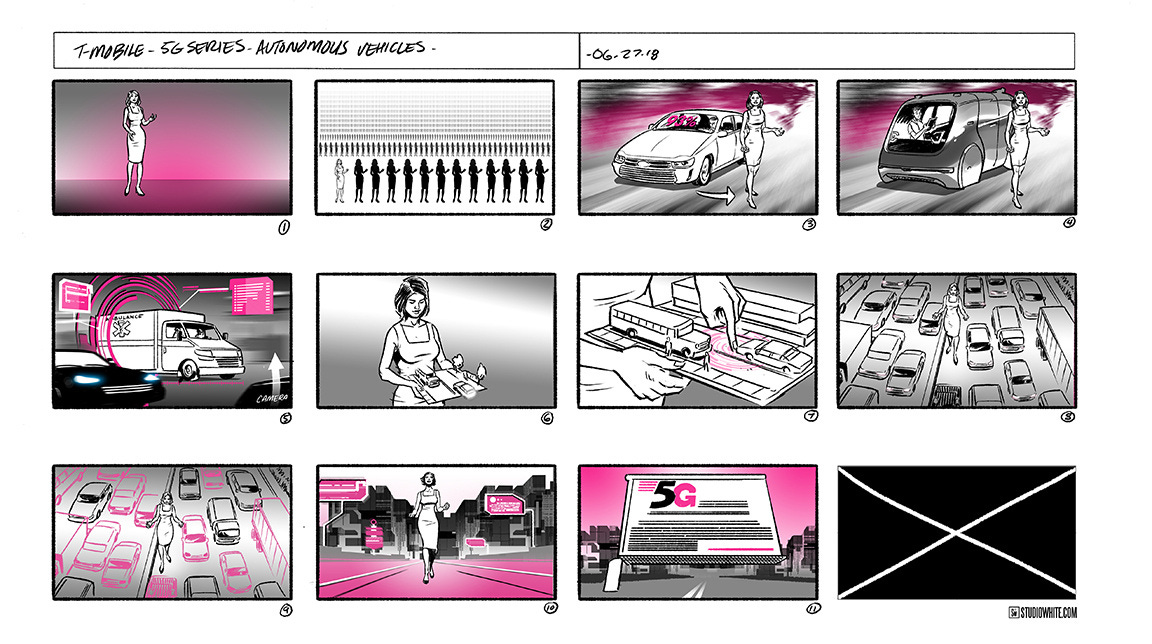
In the past decade of doing agency work I've noticed time and again that the variety of shots can be fairly limited. Most agency work is about SHOWING a Product or Service and less about sexy cinemascope. Of course, I realize your mileage may vary based on the market in which you live.
Prefer a downloadable PDF? Get it here.
Finding dynamic ways of telling a story with limited angles will push you to be even more creative.
MEDIUM SHOT (MS) - Encapsulates the head and shoulders...or sometimes called a "Cowboy Shot" will include down to the knees.
LONG SHOT (WIDE SHOT) (LS or WS) - Usually used to establish the location, setting or environment.
MEDIUM CLOSE-UP (MCU) - Used when you need to focus on an emotional reaction, a large detail or to make a statement to connect with the audience.
Now that we have the shots let's talk about ANGLES.
In the HEADER IMAGE at the top of this article how many angles are used?
If you guess THREE, then you are correct...give or take a few degrees here and there.
The straight-on hip-height angle is not really angle at all as it aligns closely with the horizon line. It's a nice even angle for presentation. A good rule of thumb though, for filming talent, is to have the camera be about chin height. It is generally the more attractive angle for capturing expression...and for pushing in for reactions. But I'm getting ahead of myself.
The other angle is a down angle or sometimes called a birds-eye view. It's used to show the viewer something specific, like a map or location or something on the ground. In some cases, it's also a dominating camera angle where the viewer is in a position of power. Though not as useful in commercial work it is used in narrative film work.
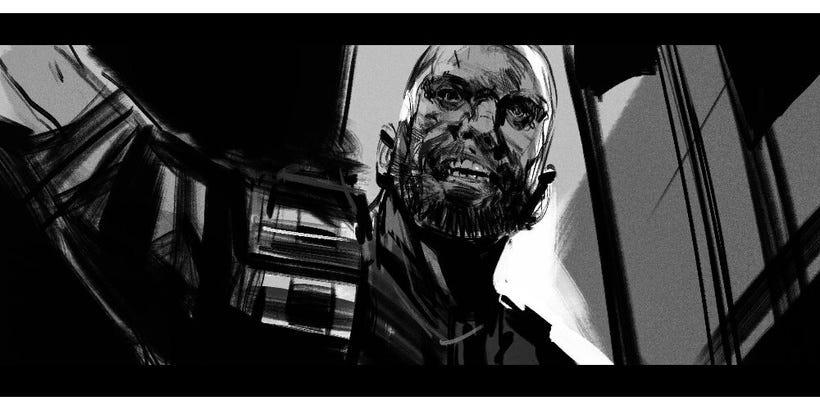
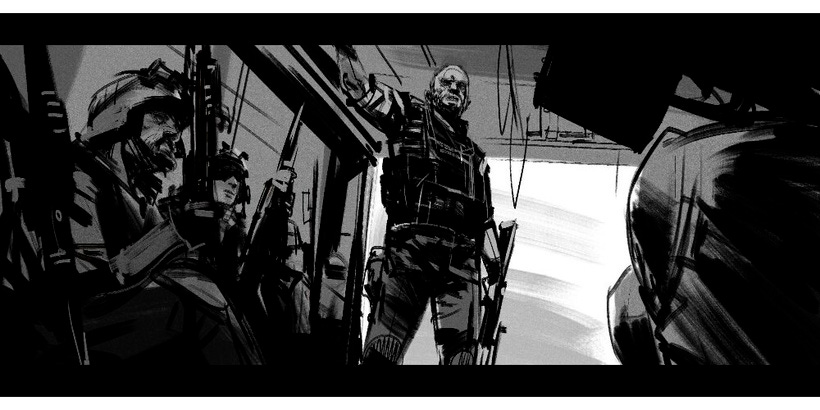
The third angle is an up angle or the worms-eye view. Usually from below it suggests the subject is in a position of power and the audience is subservient to that. It also shows us what may be in the sky as well.
With the combination of shots and angles the approach to storyboard has a lot to work with. Of course, there are MORE SHOTS to consider...but in most cases the above ones will do.
Master these and you'll be on your way.
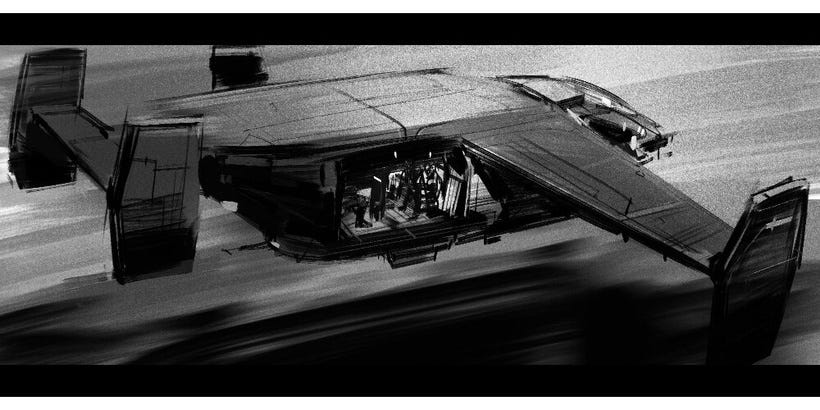
Here's a few examples from master storyboard artist, DAN MILLIGAN:
=s=