

🔸 THE FINAL CUT 🔸
INDUSTRY NEWS FOR VISUAL STORYTELLERS

INDUSTRY NEWS FOR VISUAL STORYTELLERS
Happy Friday, and welcome back to The Final Cut — your weekly roundup of what’s moving in the world of visual storytelling.
A heavy week. The industry lost two giants in seven days — Gerry Conway, the writer who killed Gwen Stacy and built the Punisher out of moral ambiguity, and Ted Turner, the man who put a 24-hour cartoon channel on cable when no one thought there was an audience for it. Meanwhile, a small team of comics makers quietly launched Panels.store, a DRM-free alternative to the platform-lock-in we’ve all been complaining about for years. The contrast tells you something about where this medium is right now.
Grab a coffee. Let’s get into it.
The Week in Visual Storytelling
Storyboarding · Animation · Comics · Pre-Production · Tools & Pipeline
May 8, 2026
Tools & Pipeline · Comics & Illustration
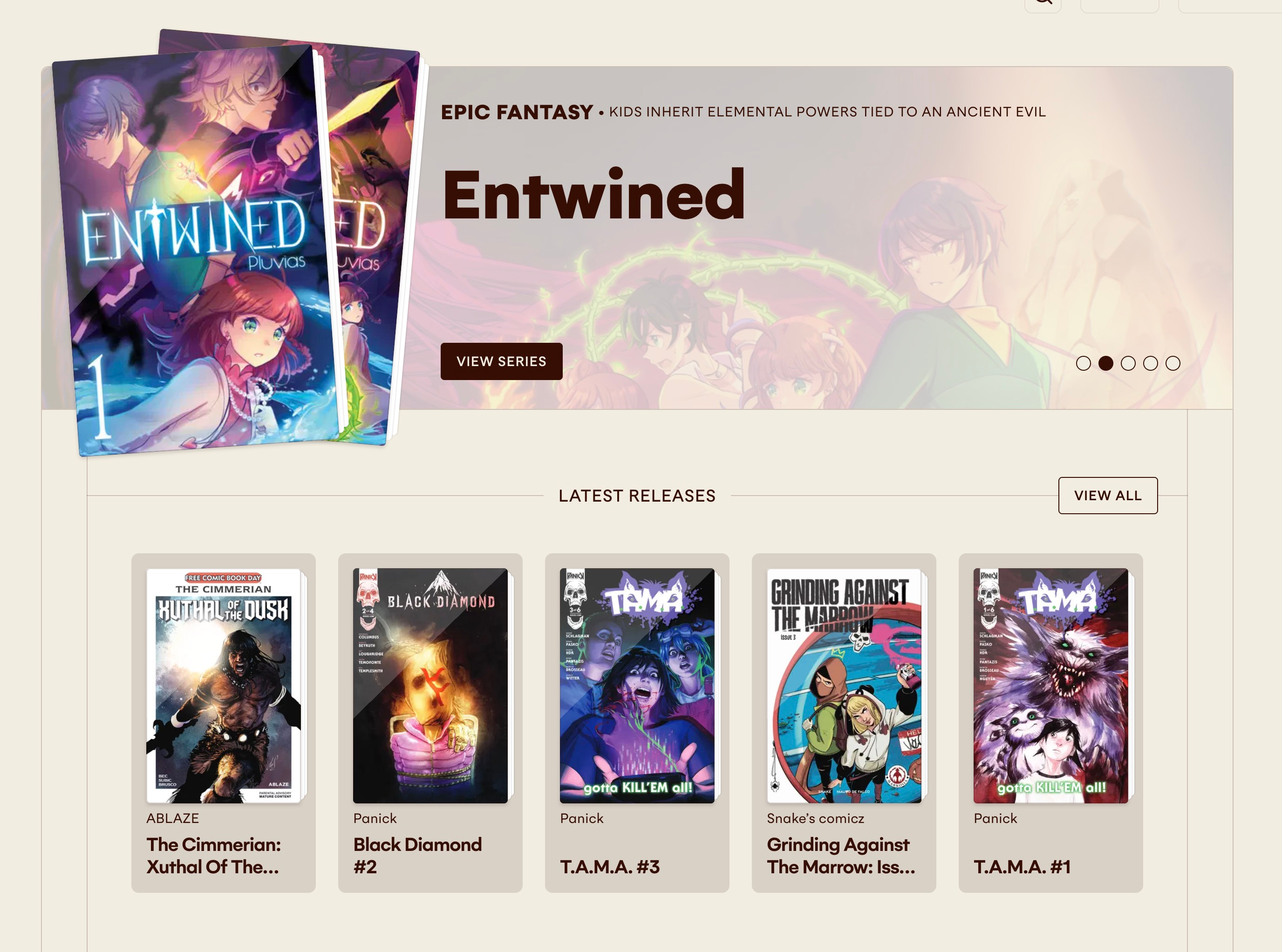
Panels.store Launches a DRM-Free Comics Marketplace — Built by the Team Behind the Panels Reader
The team behind Panels, the iOS and Mac comic reader used by hundreds of thousands of readers, just opened Panels.store — a digital marketplace where readers can discover, buy, and download DRM-free comics that play instantly in the Panels app. The pitch is simple and unusual for this category: no platform lock-in, no per-publisher silos, files you actually own. For working comics makers, the more interesting layer is the distribution model — direct sales to readers without surrendering rights to a Comixology-style middleman. Worth tracking how this affects the indie publishing economics.
Sources: Panels.store · Product Hunt · Founder Interview (YouTube)
Comics & Illustration

Gerry Conway, Comics Writer Who Co-Created The Punisher and Killed Gwen Stacy, Dies at 73
Gerry Conway died April 26 at 73, of pancreatic cancer. He took over Amazing Spider-Man from Stan Lee at age 19 and wrote the run that contained the 1973 “Death of Gwen Stacy” — still arguably the single most consequential editorial decision in superhero comics, the moment the medium proved a main character’s love interest could actually die and stay dead. He co-created The Punisher with John Romita Sr., created Ms. Marvel (Carol Danvers), Firestorm, and Vixen, and helped shape Jason Todd’s Robin at DC. He was named to the 2026 Eisner Hall of Fame months before his death. For working comics writers and illustrators, Conway’s Spider-Man run is a foundational study in how a single story decision can permanently bend a character’s gravity for fifty years.
Sources: 5News · Variety · Marvel Tribute · Deadline
Industry — Animation & TV
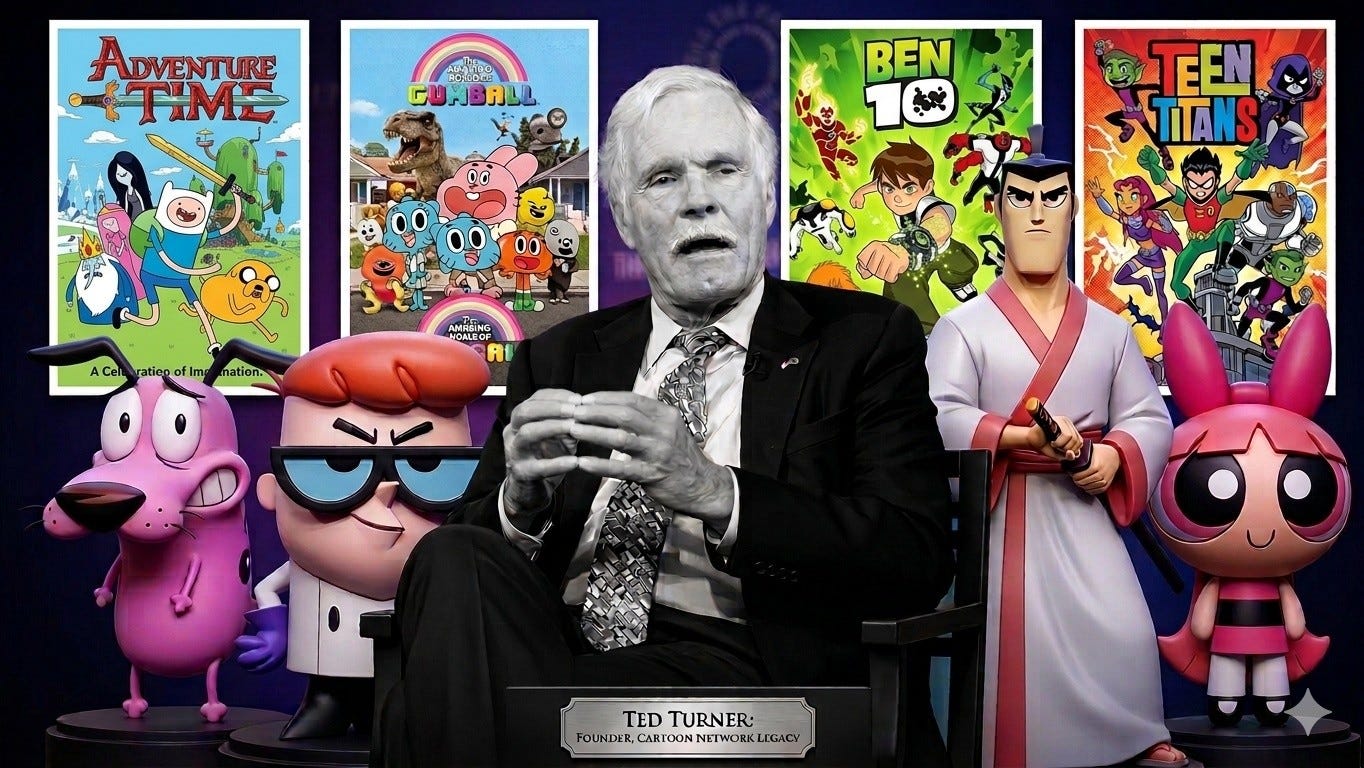
Ted Turner, Founder of Cartoon Network, Dies at 87
Ted Turner died Wednesday, May 6, at his Avalon Plantation home in Lamont, Florida, at 87, after a long battle with Lewy body dementia. He’s remembered most often as the CNN founder, but for animators his more durable legacy is Cartoon Network — launched October 1, 1992, built on the Hanna-Barbera library Turner Broadcasting acquired in 1991. Without that bet, an entire generation of working animators wouldn’t have had a 24-hour pipeline to grow up on, and shows like Dexter’s Laboratory, The Powerpuff Girls, and Adventure Time wouldn’t have had a network willing to greenlight them. Turner also launched TBS, TNT, and Turner Classic Movies along the way.
Sources: CNN · ComicBook.com · Anime News Network
Animation — Industry

‘I, Chihuahua’ Locks Voice Cast — Iglesias, Luna, Beatriz, Perlman — and Heads to the Cannes Market
Jorge R. Gutierrez’s long-shelved Lucha Libre animated feature I, Chihuahua just confirmed its voice cast: Gabriel “Fluffy” Iglesias, Diego Luna, Stephanie Beatriz, and Ron Perlman. Rocket Science is launching world sales at the Cannes market next week, with Indian animation studio Assemblage handling production for UK partner Snafu Pictures. Gutierrez (Maya and the Three, The Book of Life) parted ways with original backer Netflix two years ago over creative differences — this is the project’s full revival as a creator-controlled independent. Worth watching as a case study in what happens after a streamer-funded animated feature goes back into the wild.
Sources: Deadline · Deadline (Background)
Industry — Film & TV

Cannes Opens Next Week With Generative AI Banned From the Palme d’Or
The 79th Festival de Cannes opens May 12, and for the first time, generative AI is formally ineligible for the Palme d’Or. Any film where generative AI serves as the “principal authoring tool” — script, visual generation, or principal performance synthesis — is excluded from Official Selection. Festival President Iris Knobloch summed up the position: “A film is not an assembly of data; it is a personal vision.” Technical AI tools (sound restoration, image cleanup, standard VFX) remain permitted; the ban targets AI as a creative originator, not as a production instrument. A separate World AI Film Festival ran in Cannes in late April for hybrid and AI-led work that doesn’t qualify. The line drawn here is going to shape how festivals worldwide distinguish AI-as-tool from AI-as-author over the next twelve months.
Sources: FSU News · AI Films · Wikipedia (Festival Overview)
Animation — Industry
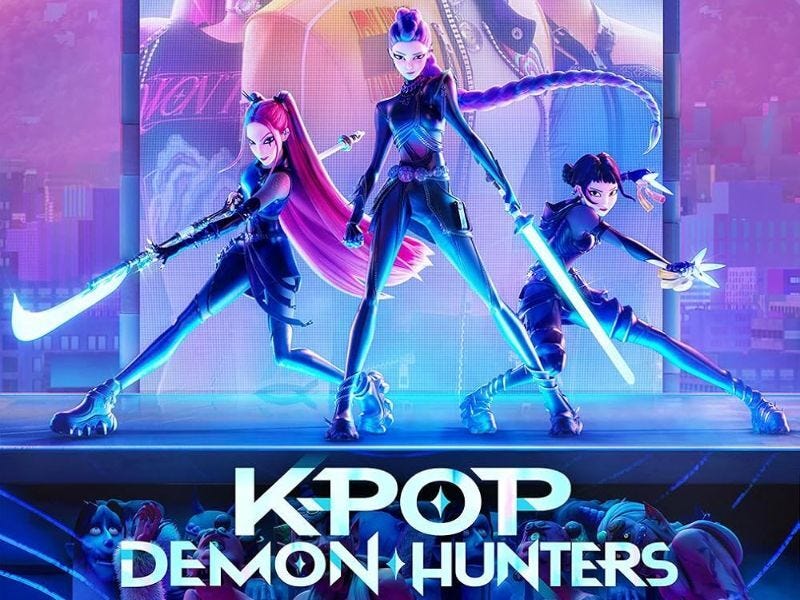
‘KPop Demon Hunters’ Crosses 1 Billion Viewing Hours, Sets Up Another Theatrical Run
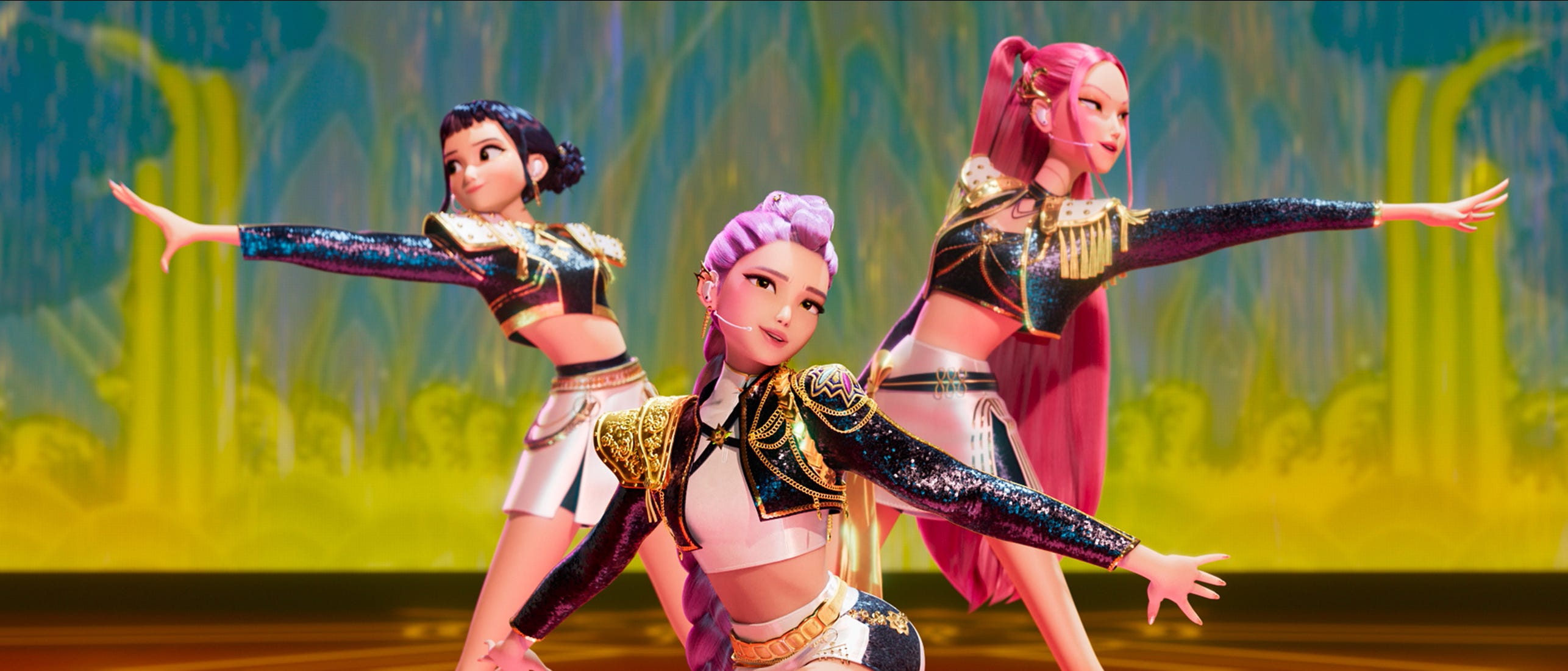
Netflix’s animated phenomenon KPop Demon Hunters just crossed 1 billion viewing hours globally and remains Netflix’s most-watched film of all time, with view counts now well past 500 million. The recent limited-release sing-along version sold out 1,300+ theatrical screenings across the US, Canada, Australia, New Zealand, and the UK before returning to streaming. Netflix is reportedly prepping another theatrical run as the title approaches its one-year anniversary. For animation studios still being told family animation only works as a four-quadrant theatrical investment, this is the counterargument — a streaming-first animated original that the audience pulled into theaters by sheer demand.
Sources: Netflix Tudum · The Hollywood Reporter
Tools & Pipeline · Pre-Production
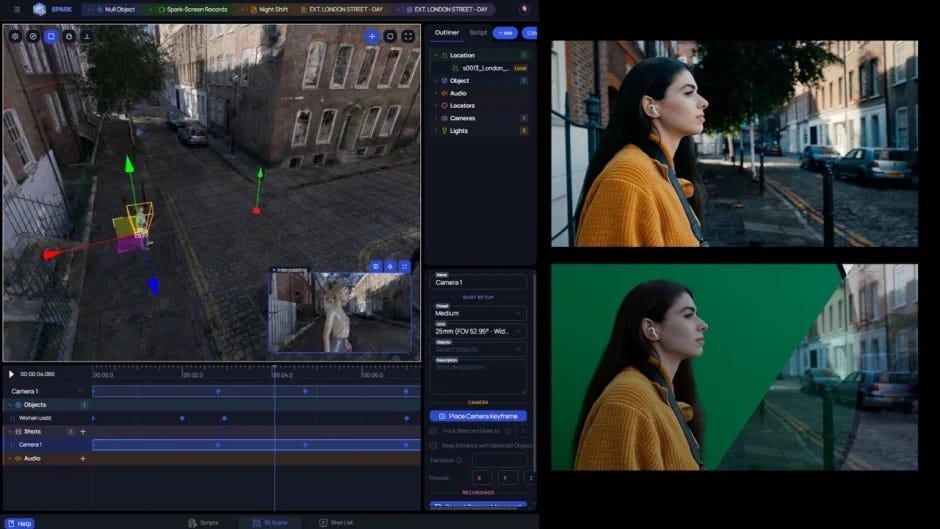
Lightcraft’s ‘Spark Story’ Pitches Itself as the Google Docs of 3D Previs
Lightcraft Technology — co-founded by Emmy winner Eliot Mack and Avid founder Bill Warner — has been rolling out Spark Story, a browser-and-mobile previs tool that lets directors, DPs, and storyboard artists collaborate on 3D scenes in real time using scripts, Gaussian splats, imported USD assets, and physically correct camera/lens models. Cameras placed in the scene auto-generate shot list entries linked back to the script. The framing pitched at NAB and picked up by Creative Bloq this past month is aggressive: a “Google Docs of 3D” for the previs stage, designed to put real-time previs in front of teams that historically couldn’t justify the licensing or learning curve of Unreal-based pipelines. For working storyboard artists, the question worth asking is whether browser-native previs starts pulling some of what’s currently boarded in 2D into 3D earlier in the process.
Sources: Animation World Network · Creative Bloq · Newsshooter
From the Community
A few recent reads from other Substack writers in the visual storytelling space — worth a restack if any of these land for you.
An Artist for the Underdog — Animation Obsessive, by Animation Obsessive Staff (May 8, 2026)
A profile of Belgian animation master Raoul Servais — founder of Europe’s first animation school, the artist who pushed back when Pixar’s early Luxo Jr. tech demo arrived as a pure technique exercise and insisted “even the shortest of films should tell a story.” A useful piece for anyone thinking about why story-first thinking still beats craft-first thinking, even now.
Newsletter 5, 2026 — Why Cartooning Needs to Innovate — Cartoon Movement (May 4, 2026)
A field report from the International Journalism Festival on why editorial cartooning may be the least innovating profession in publishing — and why that’s actively hurting the form. Direct, pointed, and worth reading if you make work that lives next to the news.
[BIZ] Animation First 2026 Festival: How Animators & Composers Surprised Me About Making Comics — Charles Merritt Houghton (May 2026)
A working comics maker walks through what he learned at the Animation First 2026 festival in New York — including Chris Wedge’s argument that sound in animation isn’t subordinate to image but a parallel storytelling channel. Practical cross-pollination notes between animation and comics craft.
And that’s a wrap for this week. We’ll be back next Friday with more industry news.
Beyond The Process is a newsletter for working creatives in visual storytelling — storyboarding, animation, comics, illustration, and film pre-production.
You’re receiving this because you subscribed on Substack. If this was forwarded to you, you can subscribe below:
© 2026 Beyond The Process